

Patient Resources &
Information Guides
Find practical information about your condition, investigations, treatment options and recovery — including Dr Crozier's detailed patient guides, interactive educational tools and selected resources from established professional organisations.

Dr Crozier's Patient Guides
Detailed condition and procedure information designed to explain the clinical problem, what assessment may involve and the treatment pathways that can be discussed.
Interactive Patient Tools
Educational decision-support tools designed to help organise results, terminology, previous treatment and questions before specialist consultation.
Professional Leaflets
Selected resources from organisations including BAUS and ReproductiveFacts. These open externally and may use UK or US terminology and healthcare pathways.
Find information relevant to your situation
Search by diagnosis, symptom, treatment or everyday language, or choose a clinical area below.

Male Fertility & Reproductive Urology
Semen analysis, azoospermia, sperm retrieval, varicocele, fertility after testosterone and fertility after vasectomy.
Male Fertility Centre →Male Infertility & Reproductive Urology
A structured overview of semen abnormalities, causes of male infertility, investigations and available reproductive pathways.
Read guide →Semen Analysis Interpreter
Review concentration, total sperm number, motility, morphology, semen volume and common laboratory terminology.
Open interpreter →Fertility After Testosterone
Understand how external testosterone can suppress sperm production and how fertility recovery may be assessed.
Read guide →Varicocele & Male Fertility
Learn when a varicocele may be relevant to fertility and why not every varicocele requires treatment.
Read guide →Vasectomy Reversal
Microsurgical reconstruction, vasovasostomy, epididymovasostomy and comparison with sperm retrieval and IVF/ICSI.
Read guide →Surgical Sperm Retrieval
An overview of PESA, TESA, TESE and MESA and why different sperm retrieval techniques are used.
Read guide →Sperm Retrieval
Independent patient information from the British Association of Urological Surgeons.
Open BAUS leaflet ↗Fertility Options After Vasectomy
ReproductiveFacts information about reproductive options following previous vasectomy.
Open resource ↗Vasectomy Reversal
BAUS patient information about microsurgical reversal of previous vasectomy.
Open BAUS leaflet ↗Varicocele Fact Sheet
ReproductiveFacts information regarding varicocele and reproductive health.
Open resource ↗Testosterone Use & Male Infertility
ReproductiveFacts patient information about testosterone use and suppression of sperm production.
Open resource ↗
ED, Penile Implants & Peyronie’s Disease
Erectile dysfunction, treatment that has not worked, ED after prostate cancer treatment, penile injections, vacuum devices, penile implants, penile curvature and Peyronie’s disease.
ED & Penile Health Centre →Understand the overall erectile dysfunction pathway
Begin with the broader ED overview or use the interactive pathway before moving to a more specific situation.
When first treatment has not worked or ED follows prostate cancer treatment
More specific information for men deciding what happens after tablets, whether injections suit them, how prostate treatment changes the pathway and when penile implant surgery may reasonably enter the discussion.
ED Tablets Not Working — What Happens Next?
Why sildenafil or tadalafil may not provide an adequate response, what should be checked before calling tablets a failure and which treatment options may be discussed next.
Explore next steps →Erectile Dysfunction After Radical Prostatectomy
Why erections may change after prostate surgery, realistic recovery considerations, penile rehabilitation and the treatment options available when erections remain inadequate.
Read guide →Penile Injections for ED — What If They Don’t Suit Me?
How penile injection therapy fits into ED treatment, practical limitations and what alternatives may be considered when injections are ineffective, burdensome or unacceptable.
Read guide →Severe / Treatment-Resistant Erectile Dysfunction
A structured overview for persistent ED when standard treatments have provided inadequate reliability or are no longer acceptable.
Explore the pathway →Penile Implant After Prostatectomy
Implant considerations after prostate surgery, including previous pelvic treatment, erectile-function history, expectations, recovery and individual surgical planning.
Read implant guide →When Should You Consider a Penile Implant?
How treatment response, reliability, tolerance, personal priorities and preference for a more definitive solution may influence when implant discussion becomes reasonable.
Explore implant timing →Penile Implant vs Penile Injections
Compare reliability, spontaneity, reversibility, ongoing treatment burden, invasiveness and the practical differences between injection therapy and implant surgery.
Compare options →Erectile Dysfunction After Prostate Cancer Treatment
A broader guide to ED following prostatectomy, radiotherapy and other prostate cancer treatment, including rehabilitation and escalation when erections remain inadequate.
Read guide →Additional erectile and penile-health information
Detailed practical information about vacuum devices, Peyronie’s disease and penile prosthetic surgery.
Using a Vacuum Erection Device for Sex
Step-by-step information about vacuum erection devices, constriction rings, safety and common practical problems.
Read guide →Vacuum Device for Penile Rehabilitation
Information about vacuum-device use as part of penile rehabilitation following selected pelvic treatments.
Read guide →Peyronie’s Disease
Curvature, indentation, hourglass deformity, erectile function, disease stability and treatment considerations.
Read guide →VED for Peyronie’s Disease
Practical information about selected use of vacuum therapy for penile remodelling.
Read guide →Penile Implant Surgery
Understand inflatable and malleable penile implants, assessment, surgery, recovery and informed-consent considerations.
Read guide →Penile Prosthesis Surgery
Independent patient information from the British Association of Urological Surgeons.
Open BAUS leaflet ↗Peyronie’s Disease
Independent BAUS information about Peyronie’s disease and available management pathways.
Open BAUS leaflet ↗Penile Straightening Surgery
BAUS patient information regarding surgical straightening procedures for penile curvature.
Open BAUS leaflet ↗
Penile, Genital & Urinary Reconstruction
Foreskin problems, genital scarring, buried penis and reconstructive conditions requiring individual assessment.
Reconstruction Centre →Complex Circumcision
Information about circumcision when scarring, previous surgery, penile skin disease or reconstructive considerations are present.
Read guide →Buried Penis
Understand adult-acquired buried penis, functional problems, associated skin disease and potential reconstructive pathways.
Read guide →Circumcision
Independent BAUS patient information about adult circumcision.
Open BAUS leaflet ↗Frenuloplasty
BAUS patient information about treatment of a short or restrictive penile frenulum.
Open BAUS leaflet ↗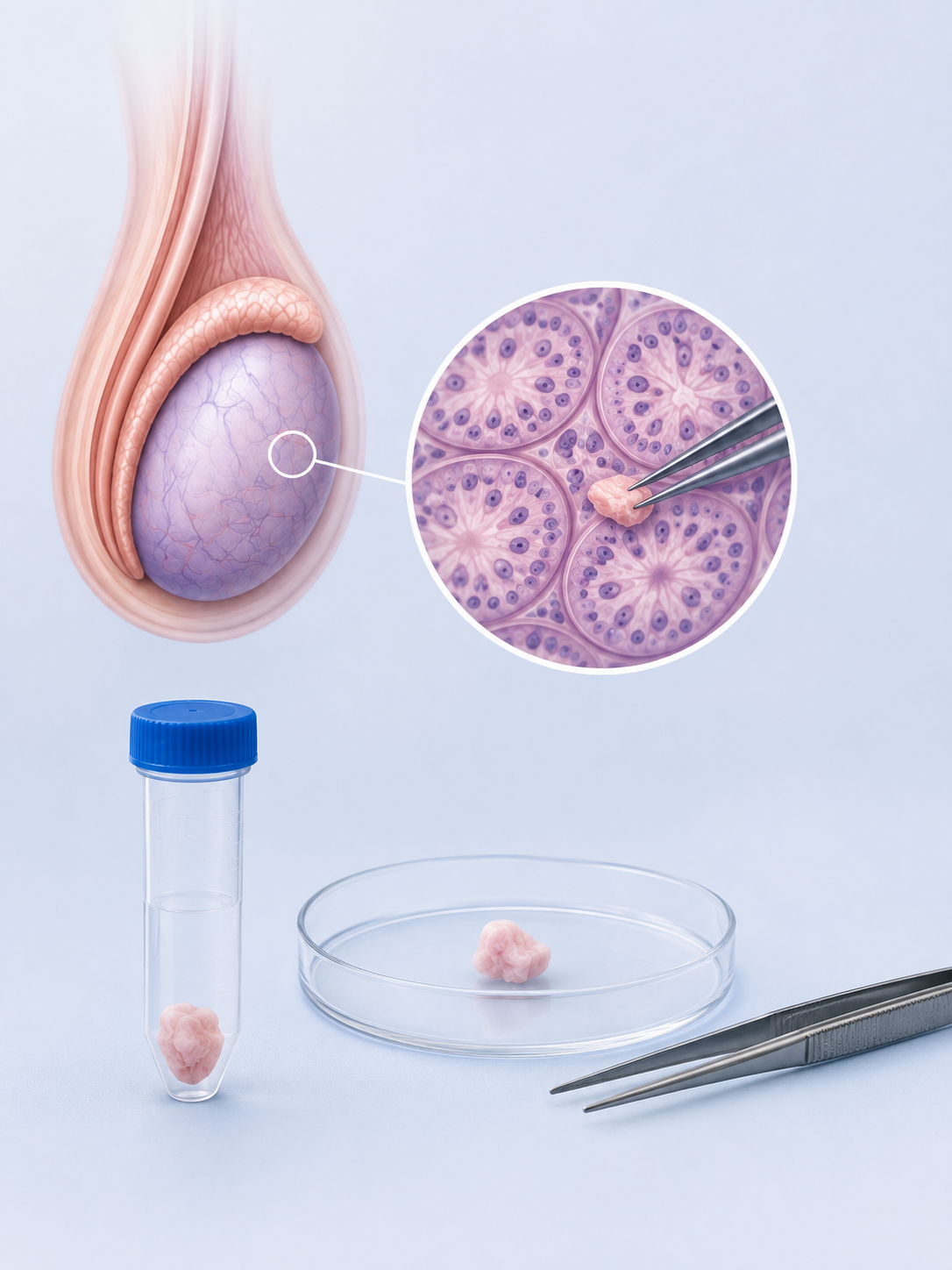
Testicle & Scrotum Problems
Testicular and scrotal swelling, hydrocele, undescended testis and testicular prosthesis information.
Testicle & Scrotum Centre →Hydrocele
Why fluid can collect around the testicle, when assessment is appropriate and when hydrocele surgery may be considered.
Read guide →Undescended Testis
Assessment and treatment considerations for an undescended or previously undescended testicle.
Read guide →Testicular Prosthesis
Information about testicular implants, placement, expectations, recovery and reasons revision may occasionally be required.
Read guide →Hydrocele
Independent BAUS patient information regarding hydrocele surgery.
Open BAUS leaflet ↗Testicular Prosthesis
BAUS patient information about placement of a testicular prosthesis.
Open BAUS leaflet ↗Orchidopexy for Undescended Testis
Independent BAUS information about surgery for an undescended testicle.
Open BAUS leaflet ↗
Penile & Testicular Cancer
Patient information about penile cancer, organ-preserving treatment, testicular cancer and surgery.
Penile & Testicular Cancer Centre →Penile Cancer
Assessment, diagnosis, staging and treatment considerations for penile cancer.
Read guide →Penile-Preserving Cancer Surgery
Understand when selected penile cancers may be suitable for organ-preserving surgical approaches.
Read guide →Testicular Cancer
Information about testicular masses, investigation, diagnosis and treatment pathways.
Read guide →Penile Cancer Surgery
Independent BAUS patient information about penile cancer surgery.
Open BAUS leaflet ↗Radical Circumcision
BAUS patient information about radical circumcision in the setting of selected penile disease.
Open BAUS leaflet ↗Radical Orchidectomy
BAUS patient information regarding removal of a testicle where testicular cancer is suspected.
Open BAUS leaflet ↗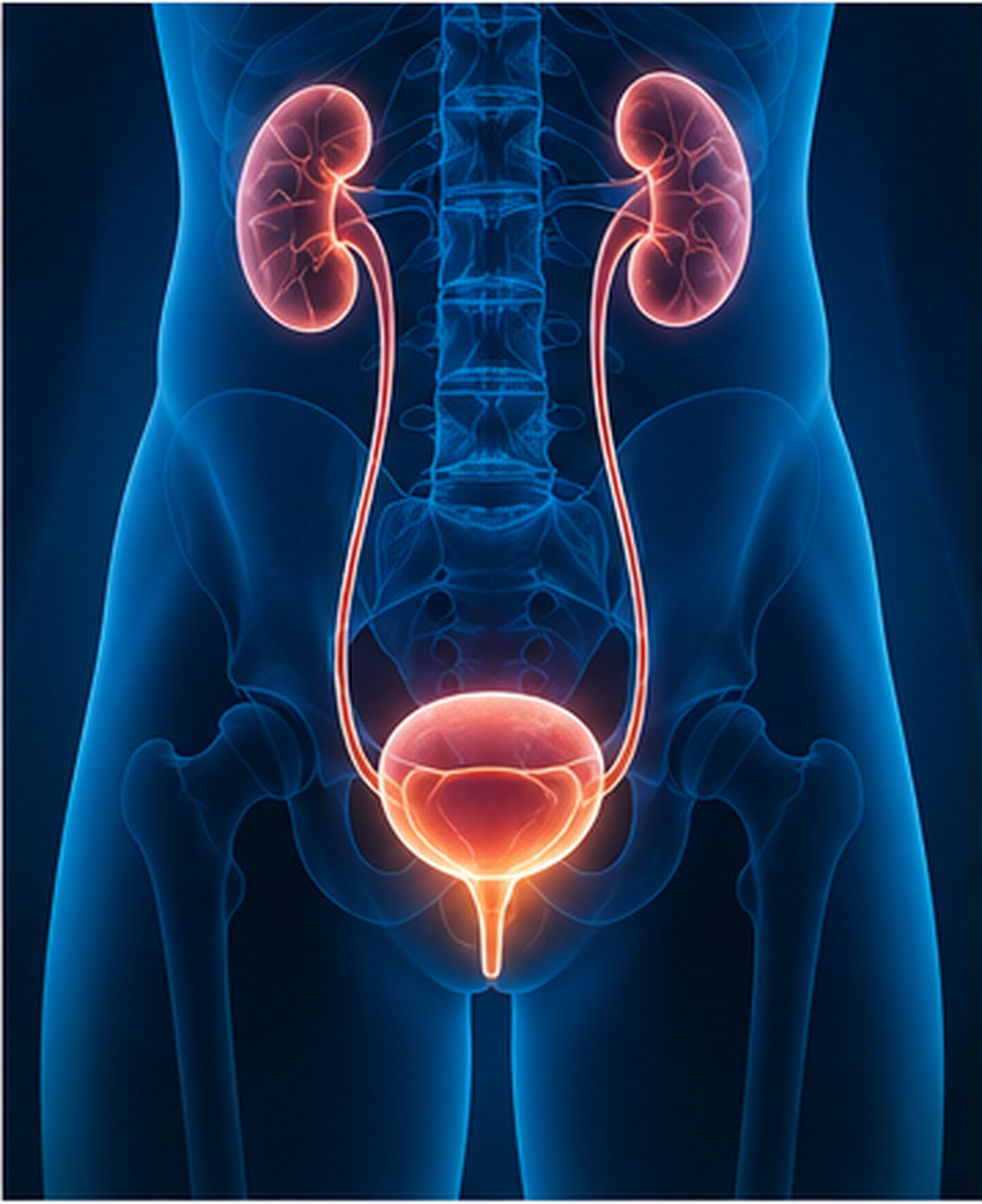
Bladder, Continence & Neuro-Urology
Information for patients with neurological bladder dysfunction, catheterisation requirements and complex bladder care.
Bladder & Neuro-Urology Centre →Intermittent Self-Catheterisation After Spinal Cord Injury
Practical information about intermittent catheterisation, bladder emptying and issues that may require review.
Read guide →Bladder Washouts at Home After Spinal Cord Injury
Information about bladder washouts, catheter debris and circumstances in which specialist review may be appropriate.
Read guide →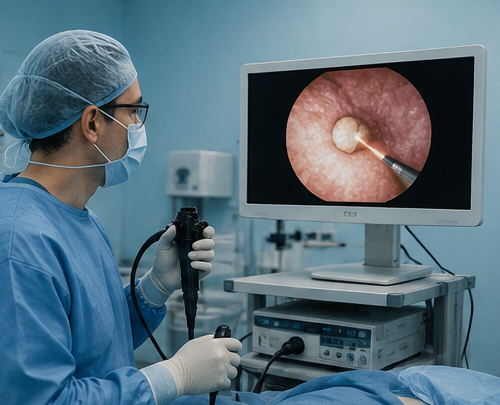
Kidney Stones & Endourology
Kidney stones, ureteric stones, stents, ureteroscopy, laser treatment, PCNL and prevention of recurrent stones.
Kidney Stones & Endourology Centre →Kidney Stones
Understand kidney stone symptoms, assessment, imaging, treatment choices and when intervention may be required.
Read guide →Ureteric Stones
Understand renal colic, stone passage, obstruction and when treatment of a ureteric stone may be considered.
Read guide →Ureteric Stents — What to Expect
Why stents are inserted, common urinary symptoms, pain, blood in the urine and stent removal.
Read guide →Kidney Stone Treatment Options
Compare observation, shock-wave treatment, ureteroscopy and PCNL according to the stone problem.
Compare treatments →Ureteroscopy & Laser Stone Surgery
Endoscopic treatment of selected ureteric and renal stones using fine instruments passed through the urinary tract.
Read procedure guide →PCNL
Percutaneous treatment for selected larger and more complex renal stone burdens.
Read procedure guide →Kidney Stone Prevention & 24-Hour Urine Testing
Learn how recurrent stone disease may be investigated and which modifiable factors may contribute to future stones.
Explore prevention →No matching resources found
Try a shorter search such as ED, prostatectomy, implant, fertility, testicle or kidney stone.
About external patient resources
Some links on this page open information produced by organisations such as the British Association of Urological Surgeons (BAUS) or ReproductiveFacts. These are included as additional educational resources. Terminology, product availability, investigation pathways and healthcare systems may differ from Australian practice.
Information is useful.
Sometimes you need help organising your own situation.
Patient tools can help organise semen results, azoospermia, erectile dysfunction, Peyronie’s disease, previous treatment and kidney-stone decisions before a consultation.
They are educational resources only and do not diagnose a condition or automatically recommend an individual treatment.
Some problems should not wait for routine reading or an outpatient appointment
Sudden severe testicular pain
Acute testicular or scrotal pain can have time-sensitive causes and requires urgent medical assessment rather than waiting for a routine specialist appointment.
Kidney stone symptoms with fever or significant illness
Infection occurring with urinary obstruction can require urgent drainage. Fever, chills or significant deterioration with a suspected obstructed kidney requires urgent medical assessment.
An erection lasting 4 hours or longer
A prolonged erection, including after penile injection therapy, can represent priapism and requires urgent medical assessment. Do not wait for a routine clinic appointment.
Still not sure which resource applies?
You do not need to diagnose the problem yourself before arranging specialist assessment. Relevant symptoms, investigations and previous treatment can be reviewed to clarify the appropriate clinical pathway.
This resource library provides general educational information only and does not replace individual medical assessment, diagnosis, informed consent or treatment advice. Investigation and management vary according to individual clinical circumstances, examination, investigations, treatment alternatives, potential benefits and risks, and patient preferences. External resources are produced by their respective organisations and may describe healthcare pathways that differ from Australian practice.