

PATIENT INFORMATION · INTERACTIVE TOOLS · DECISION SUPPORT
Patient Tools &
Decision Guides
Clear, easy-to-use resources for male fertility, erectile and penile health, penile implants, kidney stones and complex urological care.
Use these resources to better understand results, organise your situation, explore factors that may influence treatment discussions and prepare useful questions before specialist consultation.

SEARCH CONDITIONS, TREATMENTS & PATIENT INFORMATION
What can we help you find?
Search the complete website using a symptom, diagnosis, test, procedure or everyday description of your problem.
NOT SURE WHICH TOOL YOU NEED?
Start with your situation
You do not need to know your exact diagnosis before using these resources. If several problems overlap, you have had previous treatment, or you are unsure where to begin, these broader resources can help organise the important information.
My Andrology Case Navigator
Organise your main concern, investigations, previous treatment and available records into a structured consultation-preparation summary.
Build My Case Summary → 02 · REVISION · SECOND OPINIONPrevious Treatment Hasn’t Worked
Explore a different assessment pathway when fertility, Peyronie’s, implant or reconstructive treatment has not produced the expected result.
Explore Revision Pathways → 03 · LEARN THROUGH CASESComplex Andrology Case Atlas
Explore educational scenarios showing why similar diagnoses can require different discussions when anatomy, function and previous treatment differ.
Explore Case Atlas →CLINICAL PATHWAYS AT A GLANCE
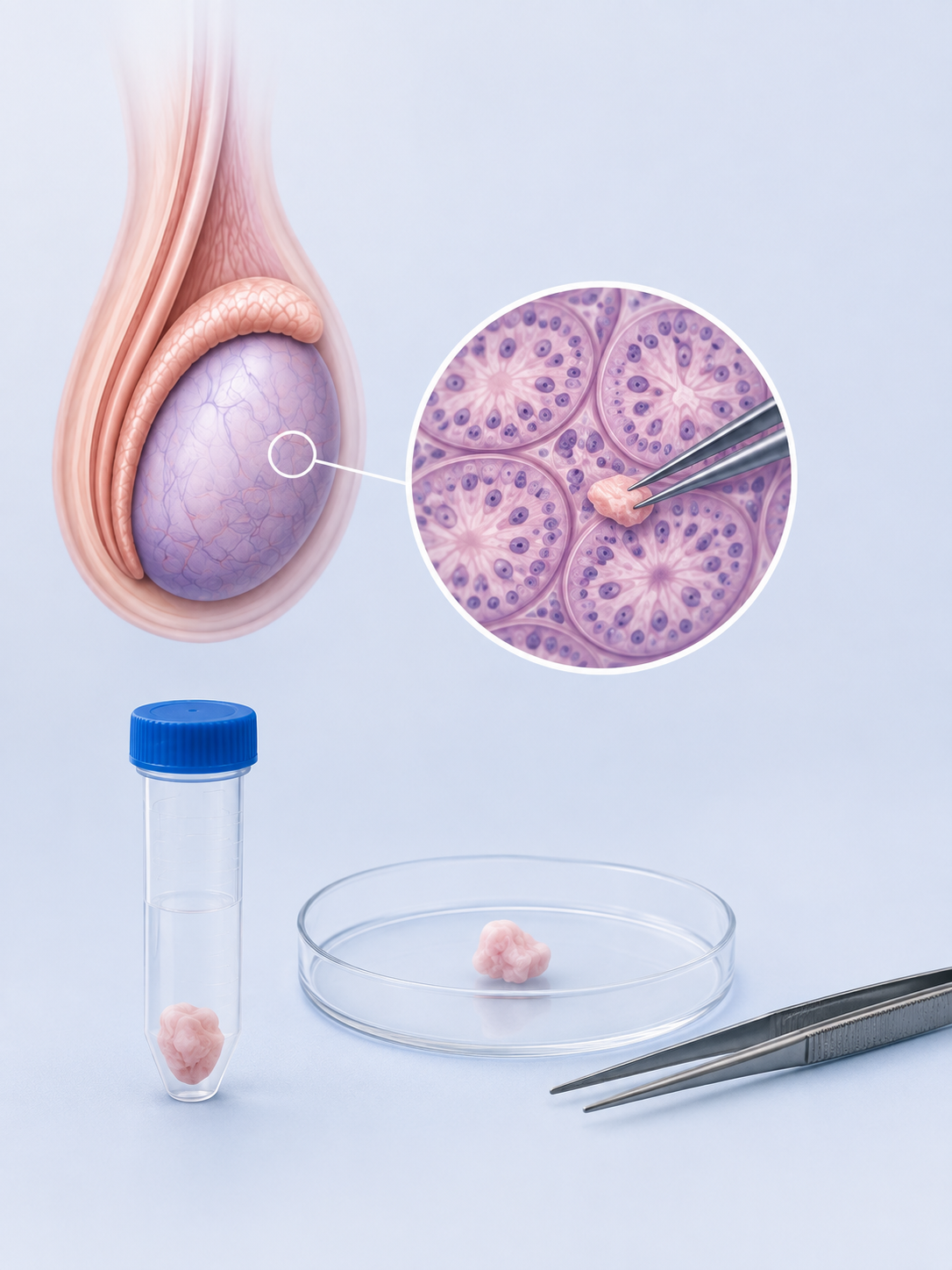
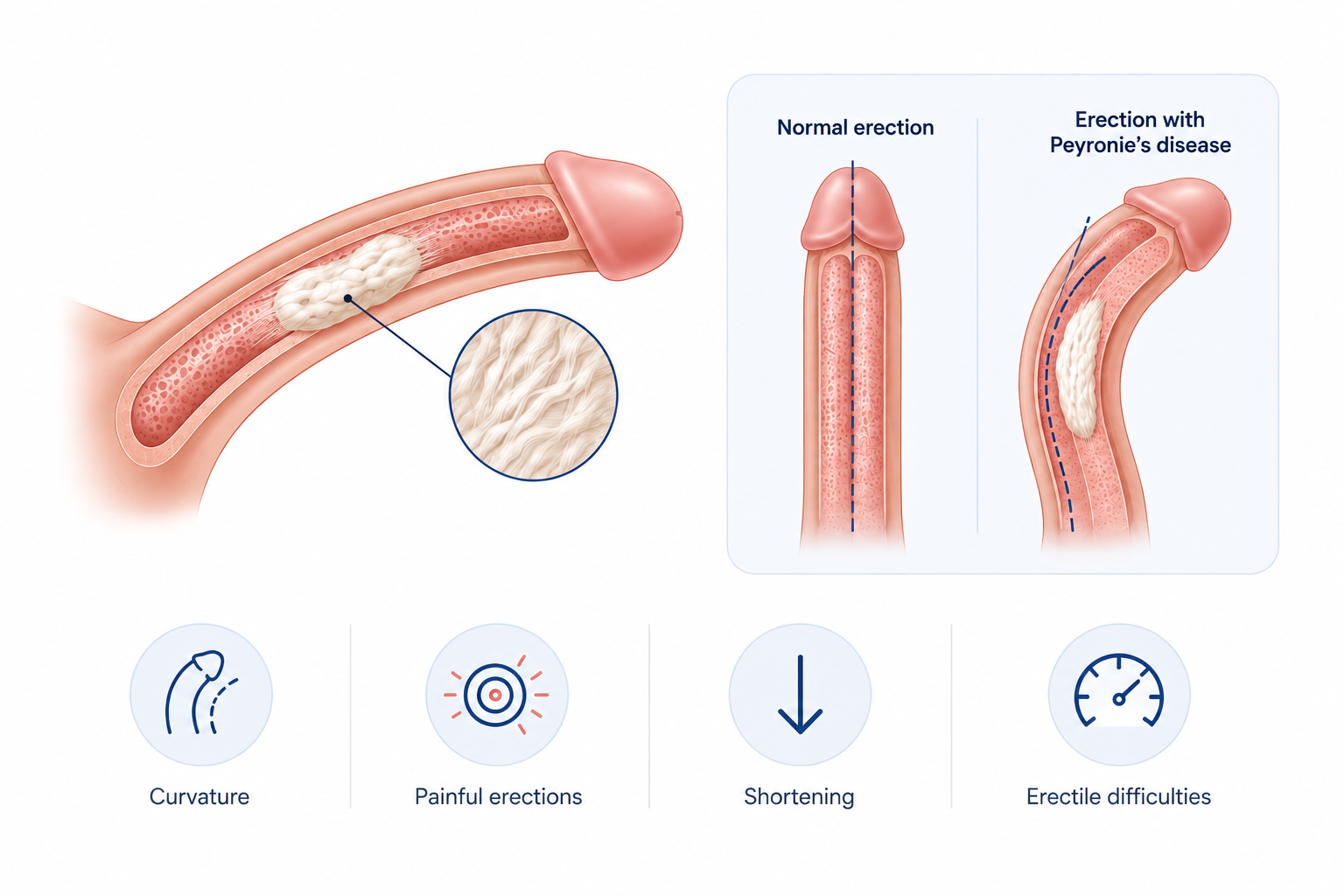
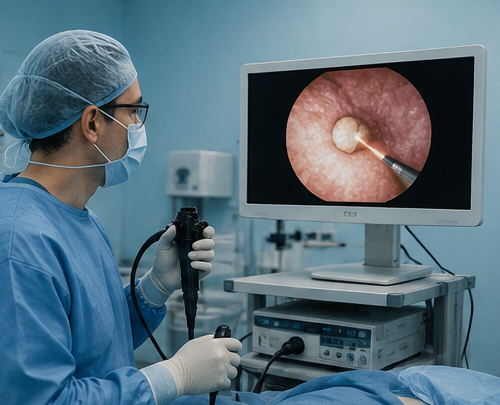
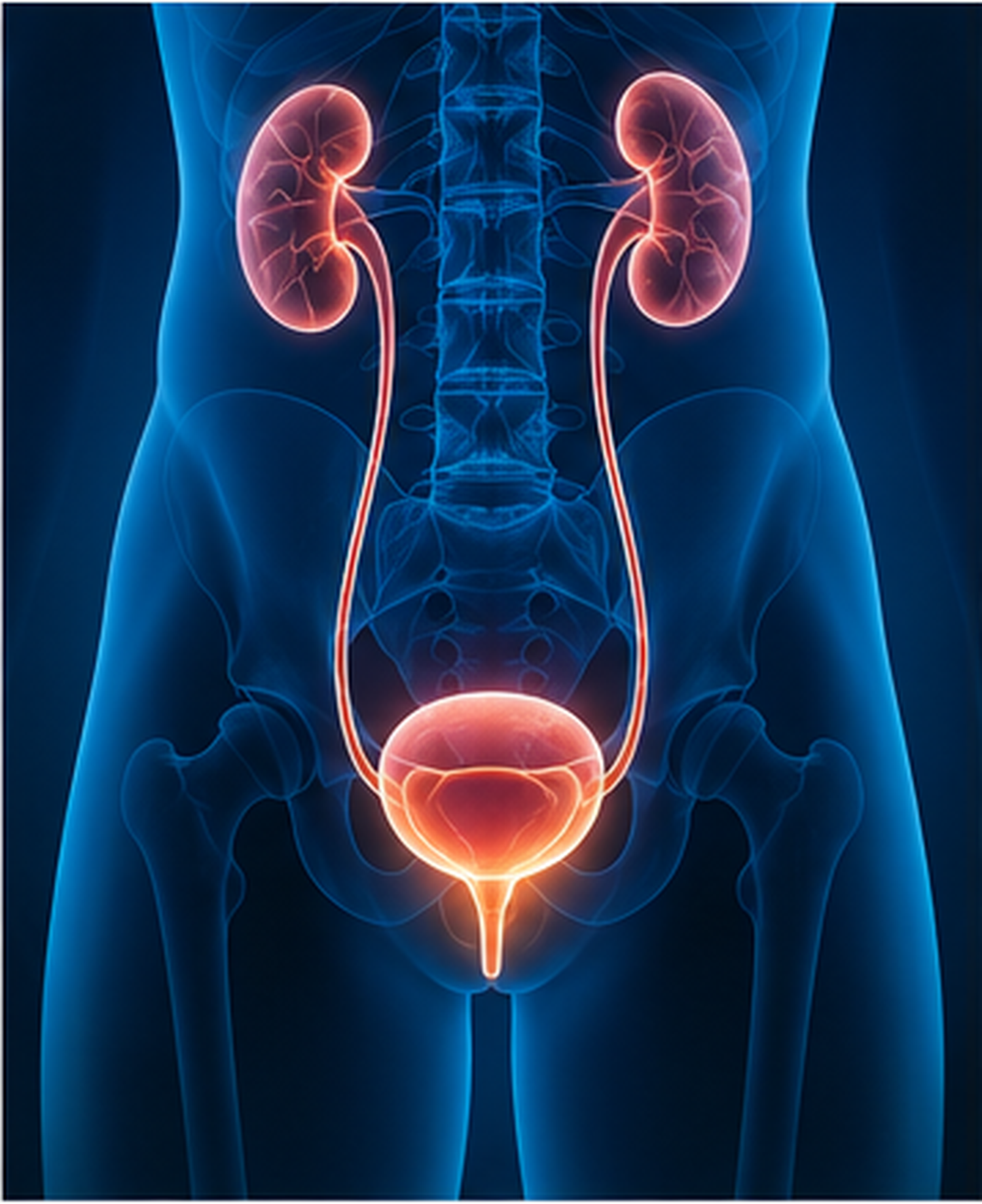
Explore with clinical & technical images
Selected educational imagery already used across this website, linking into the relevant clinical pathway.
PATIENT TOOL LIBRARY
Find the right tool
Search the Patient Tools library below or choose a category. The eight new erectile-dysfunction information pages are grouped separately in the ED Next Steps section so the interactive-tool library remains clear.
Showing all patient tools
My Andrology Case Navigator
Bring your main concern, investigations, previous treatment and records together before specialist assessment.
Start My Case →Semen Analysis Interpreter
Review sperm concentration, movement, morphology, semen volume and common semen-analysis measurements in plain language.
Interpret My Results →Azoospermia Pathway Finder
Organise the information commonly considered when semen testing reports that no sperm have been identified.
Start the Pathway →Male Fertility Assessment Checklist
Review reproductive history, semen testing, hormonal assessment and records that may be useful before male fertility review.
Build My Checklist →Vasectomy Reversal vs IVF / ICSI
Compare factors relevant to reproductive reconstruction and sperm retrieval with IVF or ICSI after vasectomy.
Compare the Pathways →Couple Fertility Decision Room
Consider male diagnosis, sperm availability, reproductive timing, family goals and the role of IVF or ICSI together.
Enter Decision Room →Erectile Dysfunction Treatment Pathway
Review factors that may influence erectile dysfunction assessment, previous treatment and clinical discussion.
Open the Pathway →Peyronie’s Treatment Explorer
Organise curvature, penile shape, erection quality, stability and functional impact before specialist discussion.
Open the Explorer →Penile Implant Discussion Guide
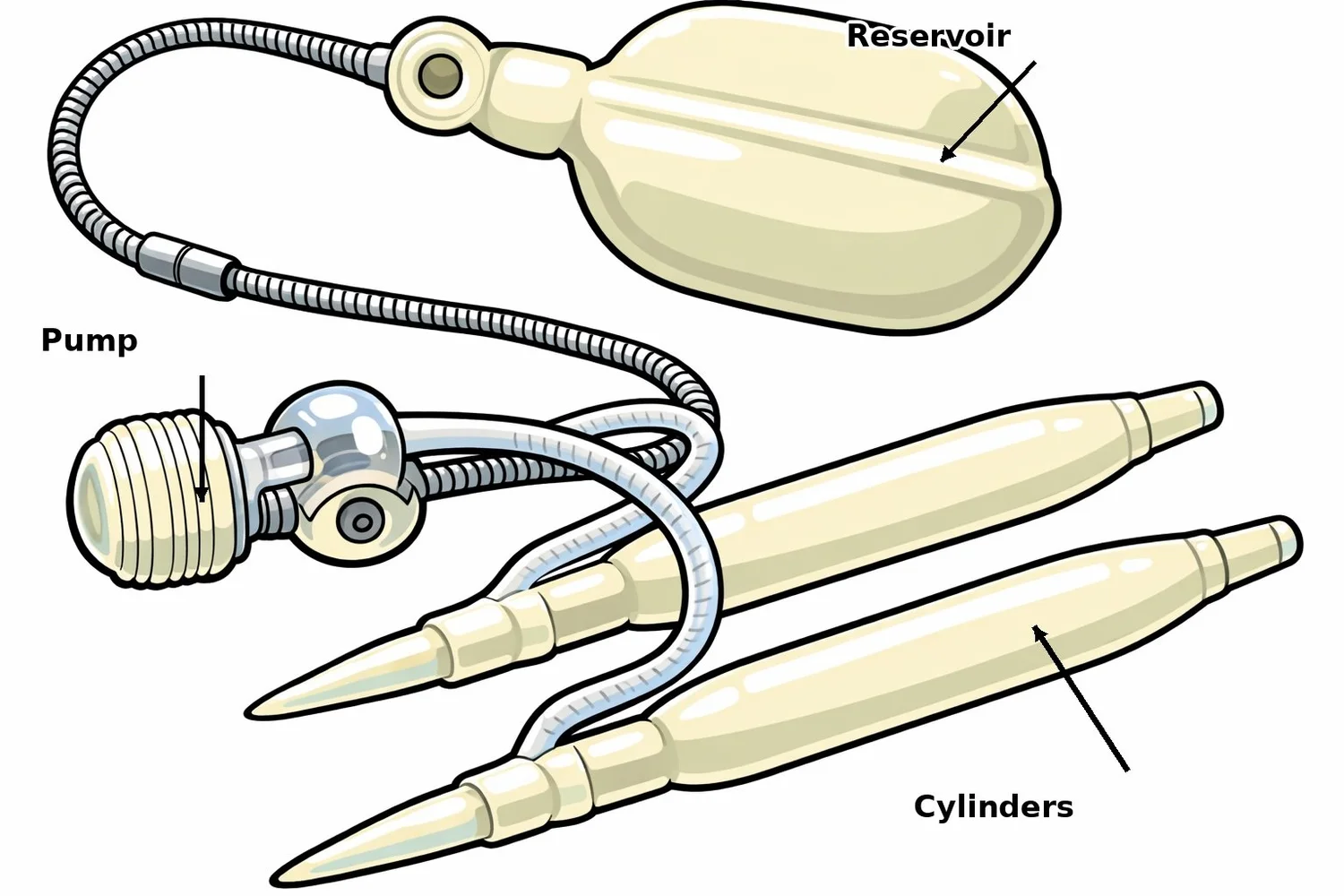
Understand broad differences between inflatable and malleable implant designs and prepare questions for consultation.
Open the Guide →3-Piece Penile Implant Comparison
Review general cylinder, pump, reservoir and surgical-planning considerations without automatically ranking implant systems.
Open Comparison →Kidney Stone Treatment Explorer
Explore how stone size, location, symptoms, obstruction, infection risk and CT characteristics can influence treatment discussions.
Open Stone Explorer →Previous Treatment Hasn’t Worked
Organise a persistent, recurrent or new problem following previous fertility, implant, Peyronie’s or reconstructive treatment.
Find My Revision Pathway →Complex Andrology Case Atlas
Learn why anatomy, function, previous treatment and reproductive priorities may change a clinical discussion.
Explore the Cases →International Patient Planner
Organise records, assessment and practical treatment planning before making major travel arrangements for care in Brisbane.
Build My Plan →Patient Information Library
Access educational resources covering common conditions, investigations, procedures and preparation for treatment.
View Patient Information →No Patient Tool exactly matches that search
There may still be a relevant condition or treatment page elsewhere on the website.
Search the Whole Website →ERECTILE DYSFUNCTION · FOCUSED NEXT-STEP GUIDES
Find the page that matches where you are in the ED pathway
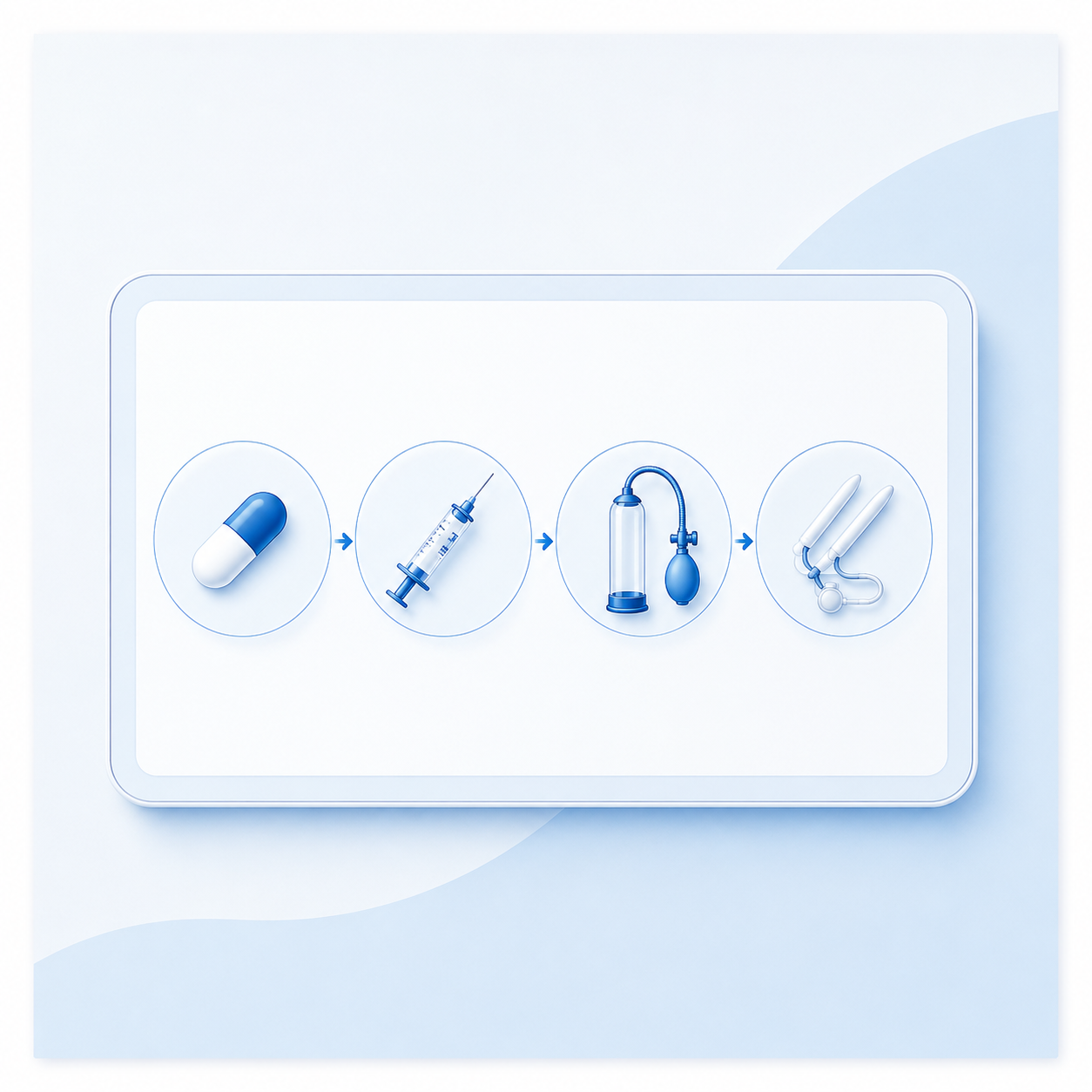
Erectile dysfunction is not one decision. The most useful information changes when tablets have not worked, after prostate cancer treatment, when injections are unsuitable, or when penile implant surgery is being considered.
ED Tablets Not Working — What Happens Next?
Review whether tablet treatment has been adequately optimised and understand the non-tablet pathways that may be discussed next.
Explore Next Steps → 02 · AFTER PROSTATE CANCER TREATMENTErectile Dysfunction After Prostate Cancer Treatment
Understand erectile dysfunction after prostate surgery, radiotherapy or other prostate cancer treatment and how treatment options may differ.
Explore This Pathway → 03 · AFTER RADICAL PROSTATECTOMYErectile Dysfunction After Radical Prostatectomy
A focused guide to erectile recovery, rehabilitation and escalation of treatment after radical prostatectomy.
Read the Guide → 04 · SEVERE OR REFRACTORY EDSevere / Treatment-Resistant Erectile Dysfunction
For persistent erectile dysfunction when standard treatments have been ineffective, unsuitable or unacceptable.
Explore Advanced Options → 05 · INJECTIONS DO NOT SUITPenile Injections for ED — What If They Don’t Suit Me?
Review alternatives when injection therapy is ineffective, painful, difficult to use, burdensome or simply not preferred.
Explore Alternatives → 06 · COMPARE NON-SURGICAL & SURGICALPenile Implant vs Penile Injections
Compare practical differences in reliability, spontaneity, ongoing treatment burden and the implications of surgery.
Compare the Options → 07 · WHEN TO CONSIDER SURGERYWhen Should You Consider a Penile Implant?
Understand when penile implant surgery may reasonably enter the discussion after assessment of previous ED treatment and individual priorities.
Read the Decision Guide → 08 · AFTER PROSTATECTOMYPenile Implant After Prostatectomy
Focused information on implant surgery for persistent erectile dysfunction after prostatectomy, including timing, expectations and surgical planning.
Explore Implant After Prostatectomy →Start with the broader prostate-cancer ED guide if treatment included surgery, radiotherapy or hormone treatment. If you specifically had radical prostatectomy, use the prostatectomy-focused guide; if ED remains persistent and you are considering a prosthesis, continue to the penile-implant-after-prostatectomy page.

MALE REPRODUCTIVE UROLOGY
Male Fertility Tools
Understand semen results, organise an azoospermia assessment, prepare for male fertility review and compare reproductive pathways after vasectomy.
COUPLE-LEVEL DECISION SUPPORT
Couple Fertility Decision Room
Male treatment, reproductive surgery and IVF or ICSI do not necessarily solve the same problem. Fertility planning often requires the circumstances of both partners to be considered together.

ERECTILE & PENILE HEALTH
Erectile Dysfunction & Peyronie’s Tools
Erection quality, penile curvature and structural deformity can overlap. Start with the interactive pathway when the main question is erectile function; use the focused guides when a particular treatment stage now applies.
PENILE IMPLANT EDUCATION
Penile Implant Guides
Resources for patients discussing penile implant surgery who want to better understand implant types, surgical considerations and questions worth discussing during consultation.
Penile Implant Discussion Guide
Understand broad differences between inflatable and malleable implant designs.
Open Guide → 02 · THREE-PIECE SYSTEMS3-Piece Penile Implant Comparison
Review cylinder, pump, reservoir and surgical-planning considerations.
Open Comparison → 03 · PROCEDURE INFORMATIONPenile Implant Surgery
Read about assessment, surgery, recovery and individual surgical planning.
Explore Surgery → 04 · REVISION SURGERYPenile Implant Revision
Information for mechanical problems, positioning concerns, previous infection or complex revision.
Explore Revision →NEW DECISION GUIDES

KIDNEY STONES · DECISION SUPPORT
Kidney Stone Treatment Explorer
Explore how stone size, location, symptoms, obstruction, infection risk and other clinical factors can influence discussion about observation, ureteroscopy, shock-wave treatment or PCNL.
COMPLEX CASES · REVISION · SECOND OPINIONS
When previous treatment has not solved the problem
Previous surgery can change anatomy, scar tissue, implant position, available tissue and future treatment options. Complex assessment starts by understanding what has already been done and what problem exists now.


REGIONAL · INTERSTATE · INTERNATIONAL
Planning Care From Outside Brisbane
Where clinically appropriate, existing investigations and records may be reviewed as part of planning before major travel arrangements are made.
- Organise existing records
- Remote assessment where appropriate
- Plan treatment in Brisbane
- Consider follow-up requirements
SPECIALIST-LED PATIENT EDUCATION
Better informed before your consultation
These resources are designed to help patients understand the clinical problem, organise useful information and participate more effectively in shared decision-making. They complement rather than replace individual specialist assessment, examination, review of investigations and informed consent.

FOR GPS & REFERRING CLINICIANS
GP Male Fertility Referral Builder
A clinician-specific resource for preparing concise male fertility referrals and reviewing targeted information that may be useful before specialist assessment.
HOW TO USE THESE RESOURCES
Four simple steps
Choose
Start with the tool or focused guide that most closely matches your question.
Understand
Review terminology, test findings and factors commonly considered during assessment.
Organise
Identify useful reports, investigations and previous treatment information.
Discuss
Use what you have learned to support an individual clinical discussion.
COMMON QUESTIONS
Patient Tools FAQ
Which resource should I use first for erectile dysfunction?
If you are not sure where you are in the treatment pathway, start with the ED Treatment Pathway. If a specific situation already applies — for example tablets have not worked, you are recovering after prostatectomy, injections do not suit you or you are considering an implant — use the corresponding focused ED guide.
Do these tools diagnose a medical condition?
No. They provide general educational information, organisational support and discussion prompts. They do not provide an individual diagnosis, prognosis or treatment plan.
Do the tools tell me which operation I should have?
No. They may explain factors that commonly influence a treatment discussion, but they do not determine whether surgery is appropriate or select a procedure.
Do the penile implant resources recommend a particular implant?
No. Implant resources provide general educational information about device categories and planning considerations. They do not automatically select a manufacturer, model or implant.
What if ED tablets have not worked?
The ED Tablets Not Working guide explains the issues commonly reviewed before concluding that oral treatment has failed and introduces other treatment pathways that may be discussed after assessment.
What if I have erectile dysfunction after prostate cancer treatment?
Use the broader ED After Prostate Cancer Treatment guide if your treatment involved surgery, radiotherapy or other prostate cancer therapy. A separate Radical Prostatectomy guide is available for men specifically recovering after prostate removal.
What if penile injections do not suit me?
The Penile Injections for ED guide discusses circumstances in which injections may be ineffective, poorly tolerated or burdensome and outlines the types of alternatives that may be considered in an individual consultation.
How do I know when a penile implant is worth discussing?
The When Should You Consider a Penile Implant guide is designed for this question. Implant surgery may enter the discussion after assessment when erectile dysfunction remains significant and other treatments have been inadequate, unsuitable or not acceptable to the patient.
Do I need to complete a tool before an appointment?
No. All tools and guides are optional. They may help organise information and prepare questions, but they are not required before specialist assessment.
What if I cannot find the condition I am looking for?
Use the main website search near the top of this page. You can search using symptoms, diagnoses, procedures or everyday language.
Educational information — not individual medical advice
These resources are intended to explain terminology, organise information and help prepare questions for discussion. They do not diagnose a condition, predict outcomes, determine suitability for surgery, recommend treatment, select a medical device or replace individual assessment and informed consent.
Do not start, stop or change prescribed medication or treatment solely on the basis of an online resource. Urgent or severe symptoms require appropriate medical assessment.
INDIVIDUAL SPECIALIST ASSESSMENT
Ready to discuss your situation?
Your history, previous results, imaging, operation reports and priorities can be reviewed in the context of an individual specialist assessment.