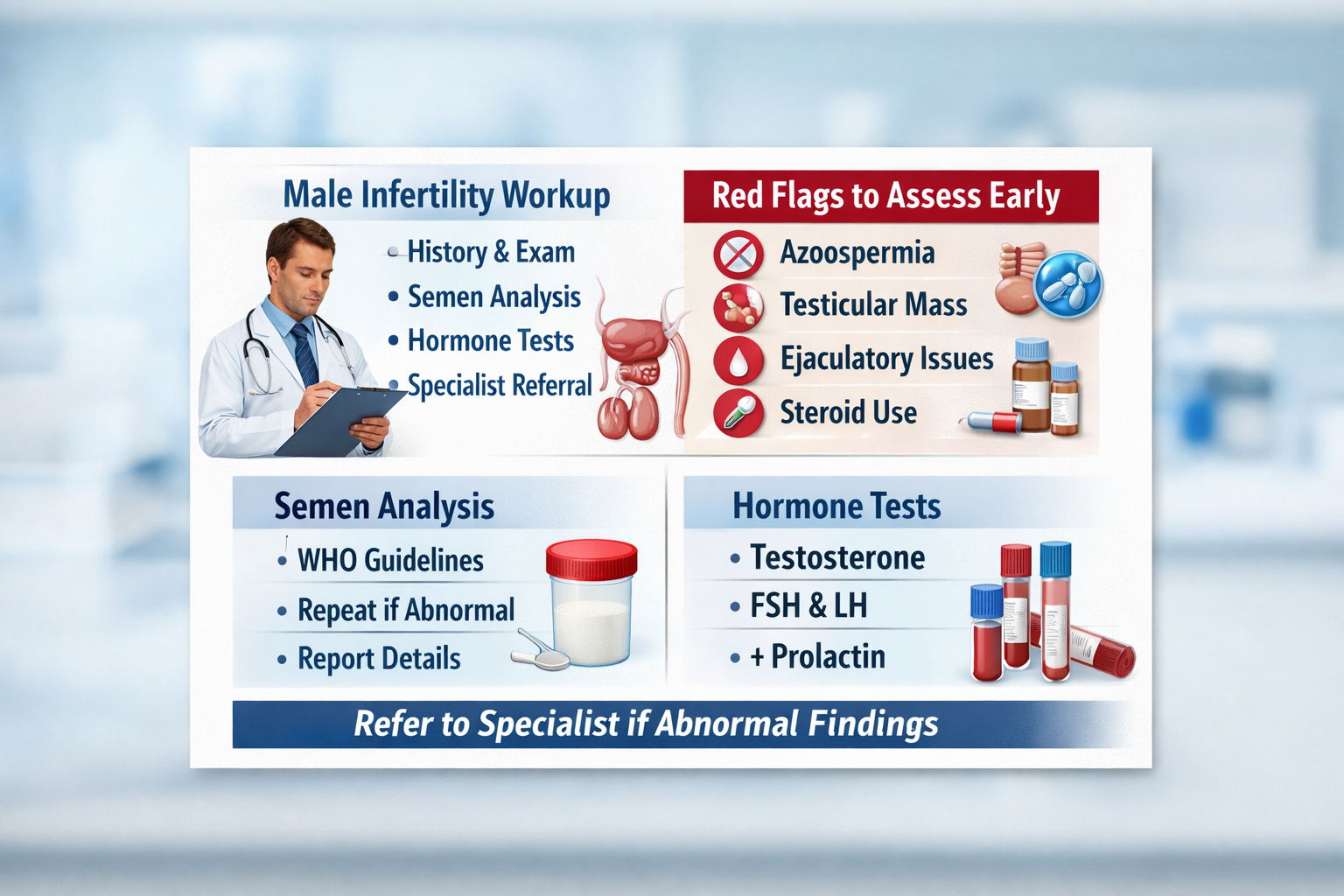
Male Fertility · Reproductive Urology · Brisbane
Male Infertility & Reproductive Urology
Specialist assessment for abnormal semen results, azoospermia, severe male-factor infertility, reproductive tract obstruction, varicocele, fertility after testosterone or cancer treatment, sperm retrieval and reproductive microsurgery.
- Abnormal semen analysis
- Low or very low sperm count
- Azoospermia
- Male infertility genetics
- Varicocele & fertility
- Fertility after testosterone
- Reproductive microsurgery
- Sperm retrieval & MicroTESE
Looking for a particular condition, investigation, procedure or patient tool?
One search covers the clinical pages, treatments and patient tools on this website.
Understanding male fertility
An abnormal semen result tells us where to start — not necessarily why the problem has occurred
Male infertility can result from several quite different biological problems. Sperm production may be reduced, hormonal stimulation may be suppressed, sperm transport may be obstructed, ejaculation may be impaired or more than one factor may be present.
This is why concentration, total sperm number, motility, morphology and semen volume need to be considered together with the reproductive history rather than treating one laboratory number as the diagnosis.
Once the likely cause is better defined, it becomes much easier to decide whether monitoring, further investigation, medical treatment, microsurgery, sperm retrieval or assisted reproduction should even enter the discussion.
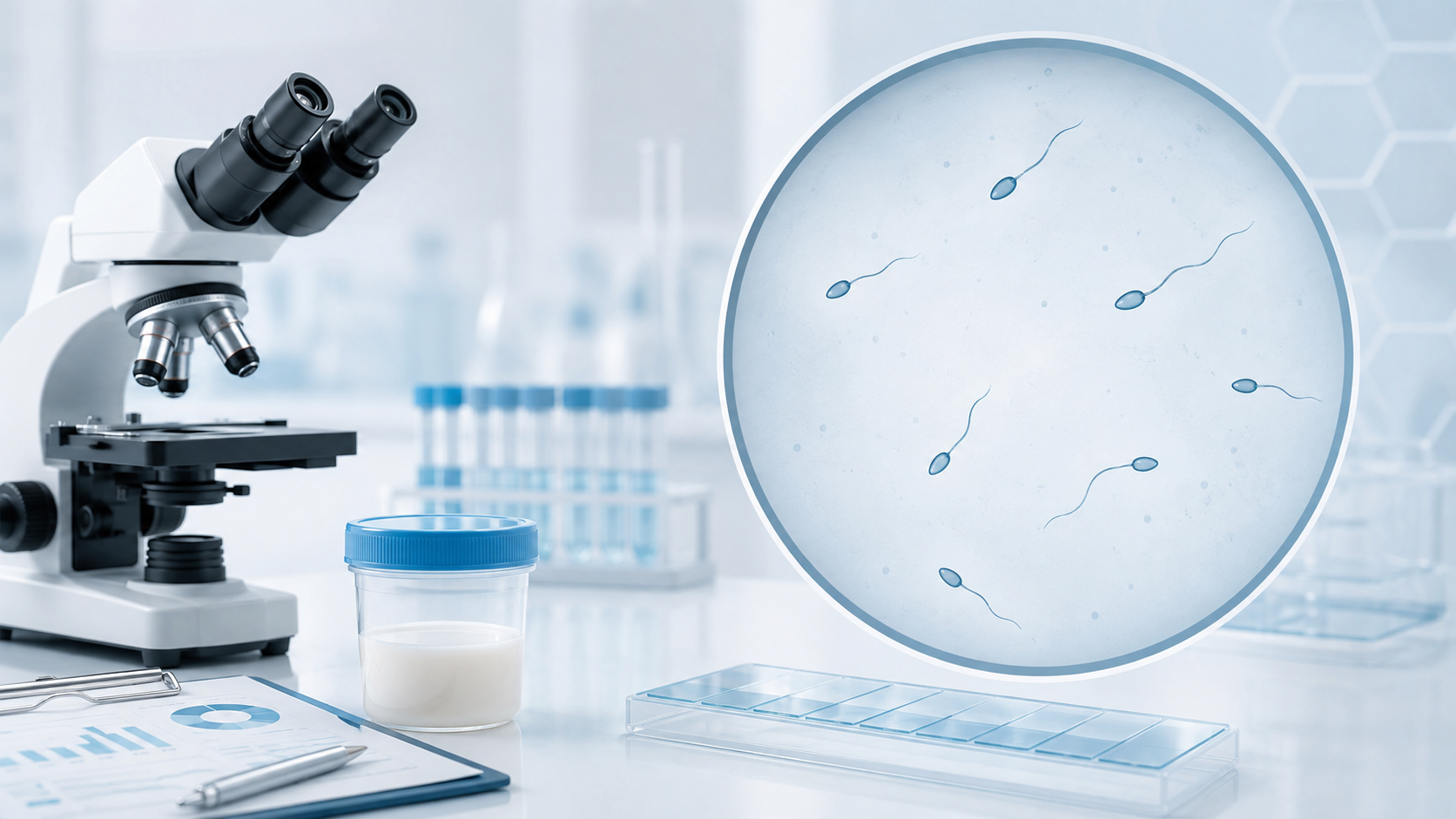
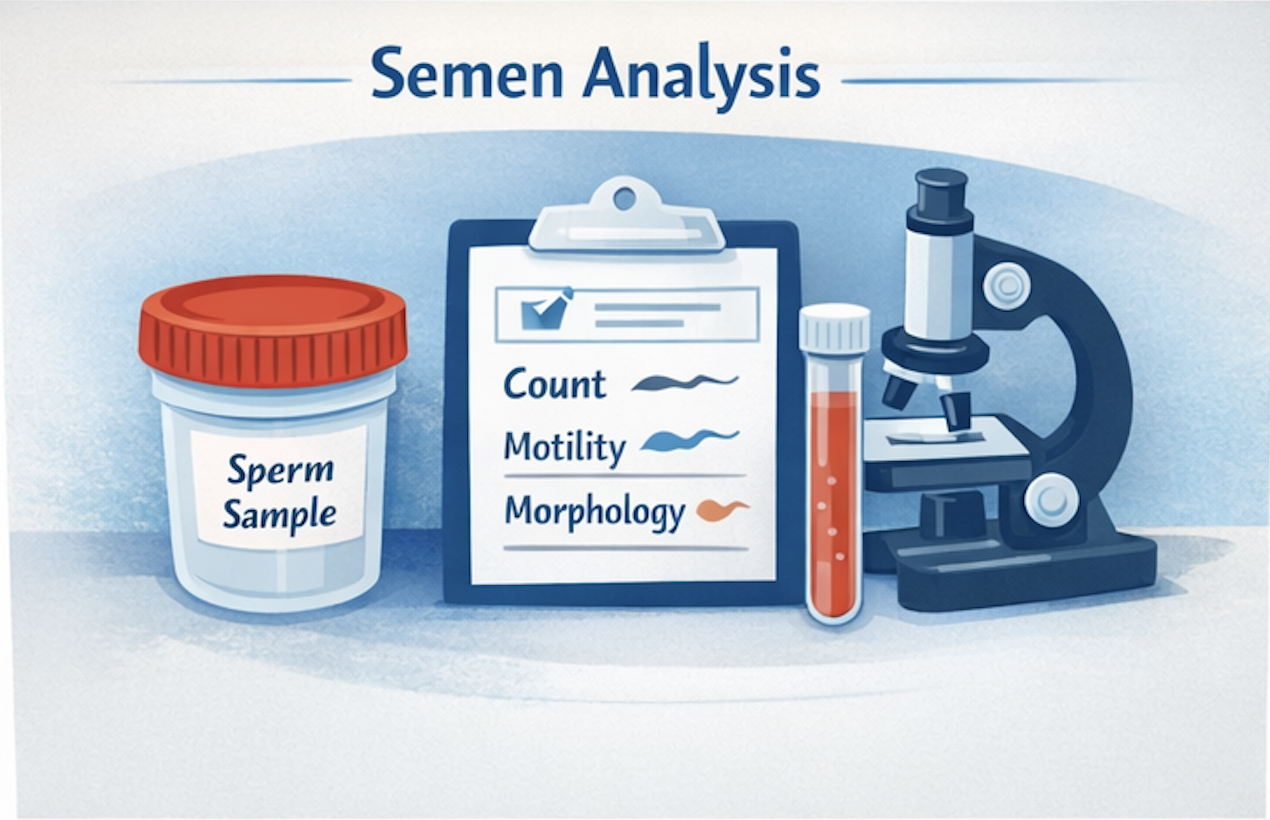
Your semen-analysis results
Find the page that matches the result on your laboratory report
These terms describe different semen patterns. They can overlap, and their importance depends on the complete result and the wider fertility circumstances.
Oligozoospermia
Low Sperm Count
Reduced sperm concentration or total sperm number can range from a mild abnormality to severe male-factor infertility.
Explore low sperm countAzoospermia
No Sperm Seen
The next question is whether sperm production is severely impaired or sperm are being produced but cannot enter the ejaculate.
Explore azoospermiaCryptozoospermia
Very Rare Sperm
Very small numbers of sperm may only become apparent after concentration and detailed examination of the sample.
Explore cryptozoospermiaAsthenozoospermia
Low Sperm Motility
Reduced sperm movement needs to be interpreted with sperm concentration, total numbers, viability and morphology.
Explore sperm motilityTeratozoospermia
Abnormal Morphology
Morphology describes the proportion of sperm meeting strict appearance criteria and should not be interpreted in isolation.
Explore sperm morphologyOAT / OATS
Count + Motility + Morphology
OAT describes abnormalities affecting several semen parameters and may warrant a broader male fertility assessment.
Explore OATAdvanced assessment
Sperm DNA Fragmentation
Selected reproductive situations may justify consideration of sperm DNA integrity beyond routine semen parameters.
Explore DNA fragmentationReproductive outcome
Recurrent Miscarriage
In selected couples with recurrent pregnancy loss, relevant male reproductive factors may form one part of the wider assessment.
Explore male factorsMale fertility assessment
A useful assessment looks beyond one sperm count
The investigations that matter vary from one patient to another. Testing is most useful when it answers a specific question raised by the history, semen pattern or examination.
Reproductive History
Previous pregnancies, how long conception has been attempted, fertility treatment to date and the reproductive timeframe of both partners.
Medical & Surgical History
Childhood testicular conditions, previous vasectomy, groin or scrotal surgery, infection, cancer treatment and previous reproductive procedures can all be relevant.
Medicines & Hormones
Testosterone, anabolic steroids and some medications may affect sperm production, reproductive hormones or ejaculation.
Male Reproductive Examination
Testicular size and consistency, the epididymides, vas deferens and presence of a clinically detectable varicocele can help define the problem.
Reproductive Hormones
FSH, LH and testosterone can provide information about pituitary–testicular signalling and the sperm-production pattern.
Targeted Genetics & Imaging
Genetic testing, ultrasound or other imaging is selected when the clinical situation gives a reason for performing it.
Causes of male infertility
Conditions that may change the fertility pathway
The same abnormal semen report can arise from quite different conditions. Identifying the relevant cause helps avoid applying the same treatment pathway to every patient.
Potentially modifiable
Varicocele & Fertility
A clinical varicocele may be relevant in selected men with abnormal semen parameters.
Explore varicocele fertilityHormonal suppression
Fertility After Testosterone
Testosterone replacement and anabolic steroid exposure can markedly suppress sperm production.
Explore fertility recoveryCancer survivorship
Fertility After Cancer Treatment
Cancer itself and treatments such as chemotherapy, radiotherapy or testicular surgery may affect future fertility.
Explore fertility after cancerGenetics
Male Infertility Genetic Testing
Targeted genetic investigation can be important in selected severe sperm-production disorders and congenital obstruction.
Explore genetic testingChromosomal condition
Klinefelter Syndrome
Male fertility assessment can include reproductive endocrine review and, in selected situations, discussion of sperm-retrieval pathways.
Explore Klinefelter fertilityCongenital obstruction
Absent Vas Deferens
Some men are born without part of the sperm transport pathway despite continuing to produce sperm within the testicle.
Explore congenital absenceEjaculation
Anejaculation & Retrograde Ejaculation
Fertility assessment is different when sperm may be produced normally but semen cannot be delivered in the usual way.
Explore ejaculation disordersComplex sperm quality
Sperm DNA & Reproductive Outcomes
Advanced sperm testing may occasionally provide additional information beyond routine concentration, motility and morphology.
Explore sperm DNAMale infertility genetics
Genetic investigation is particularly important in selected severe male-factor infertility
A genetic diagnosis can sometimes explain why sperm production is markedly reduced or why part of the sperm transport pathway did not develop normally.
Depending on the clinical pattern, investigation may include chromosomal testing, Y-chromosome testing, CFTR assessment or other targeted investigation.
The result may also influence counselling about reproductive options, potential transmission and whether formal genetic counselling should be considered.

No sperm identified
Azoospermia: is sperm production impaired, or are sperm blocked from reaching the semen?
Both situations can produce a laboratory report showing no sperm, but their biology and reproductive options can be very different.
Sperm transport problem
Obstructive Azoospermia
Sperm production may remain relatively preserved, but sperm cannot reach the ejaculate because part of the reproductive tract is blocked or absent.
- Previous vasectomy
- Epididymal obstruction
- Vasal injury or previous surgery
- Congenital absence of the vas deferens
- Ejaculatory duct obstruction
Sperm production problem
Non-Obstructive Azoospermia
Sperm production within the testicle is significantly impaired. In some men, limited focal areas of sperm production may nevertheless remain.
- Genetic conditions
- Klinefelter syndrome
- Previous undescended testes
- Chemotherapy or radiotherapy
- Primary testicular dysfunction

A useful clinical distinction
Male fertility can be affected at several different points in the reproductive pathway
Separating sperm production, sperm transport, ejaculation and sperm quality helps make complicated fertility problems easier to understand.
Production
The testicle produces too few sperm or sperm production is severely impaired.
Transport
Sperm are produced but an obstruction or absent reproductive structure prevents normal passage.
Ejaculation
Sperm may be produced and transported, but semen cannot be expelled normally.
Sperm Quality
Sperm are present but concentration, movement or other functional characteristics may be impaired.
Varicocele & male fertility
The important question is not simply whether a varicocele exists — it is whether it is relevant to the fertility problem
Varicoceles are common. Their presence alone does not mean treatment is necessary. Fertility-focused assessment considers whether the clinical findings and semen pattern make the varicocele important enough to influence the reproductive plan.
- Clinical examination
- Sperm concentration and total number
- Motility and morphology
- Testicular findings
- Previous fertility treatment
- Advanced sperm testing where selectively relevant
- Reproductive timeframe of the couple

Acquired fertility problems
Previous treatment can fundamentally change the fertility assessment
Testosterone exposure, anabolic steroids, cancer treatment and previous surgery can change both the semen findings and the reproductive pathway that should be considered.

Hormonal suppression
Fertility After Testosterone or Anabolic Steroids
External testosterone can suppress reproductive hormone signalling and may markedly reduce or completely suppress sperm production.
Explore fertility after testosteroneCancer survivorship
Male Fertility After Cancer Treatment
Chemotherapy, radiotherapy, testicular disease and some cancer operations may affect future sperm production or reproductive tract function.
Explore post-cancer fertility
Reproductive microsurgery
Microsurgical magnification is used when reproductive anatomy requires very fine identification and reconstruction
Microsurgical techniques are relevant to selected procedures including vasectomy reversal, epididymovasostomy, microsurgical varicocele repair and MicroTESE.
Surgical sperm retrieval
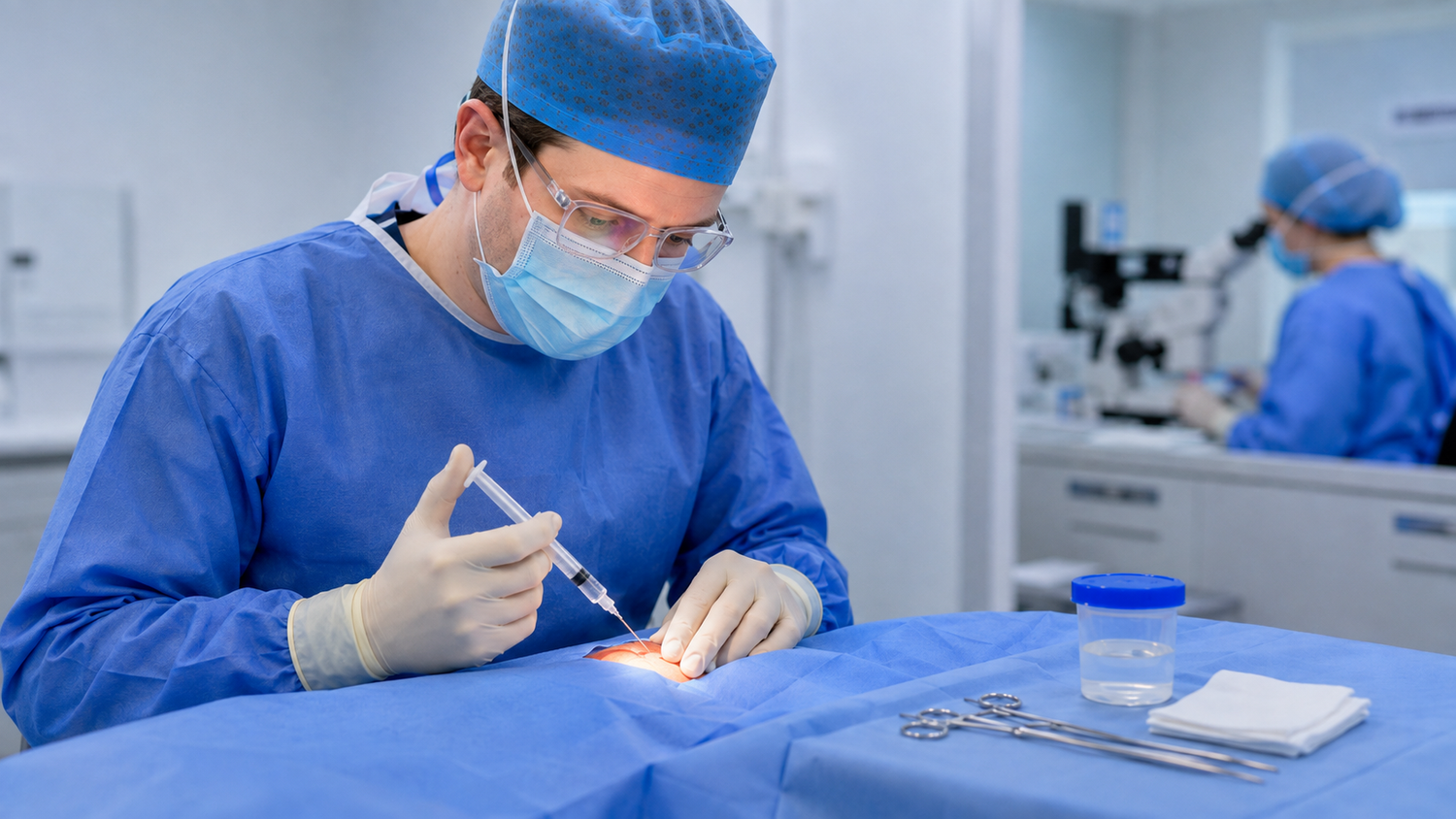
PESA, TESA, TESE, MESA and MicroTESE are different procedures for different reproductive problems
The reason sperm are unavailable from the ejaculate should usually determine which retrieval technique is considered.
In obstructive azoospermia, sperm production may remain relatively preserved. Epididymal or conventional testicular retrieval may therefore be possible depending on the clinical situation.
Non-obstructive azoospermia is a different problem because sperm production itself is markedly impaired and may occur only in small focal regions.
Choosing the most invasive procedure automatically is therefore not the goal. The procedure should fit the diagnosis.
| Procedure | Where sperm are obtained | General approach | Common clinical context |
|---|---|---|---|
| PESA | Epididymis | Needle aspiration | Selected obstructive azoospermia |
| MESA | Epididymis | Microsurgical epididymal retrieval | Selected obstructive infertility |
| TESA | Testicle | Needle aspiration | Selected testicular retrieval pathways |
| TESE | Testicle | Conventional testicular tissue retrieval | Selected sperm-retrieval situations |
| MicroTESE | Testicle | Microdissection under operating microscope | Selected non-obstructive azoospermia |
Reproductive surgery
Male fertility procedures
Surgery is considered when there is an anatomical or sperm-production problem for which an operation may form a reasonable part of the reproductive plan.
Reconstruction
Vasectomy Reversal
Microsurgical reconstruction of the sperm pathway after vasectomy.
Vasectomy reversalMicrosurgery
Epididymovasostomy
Microsurgical bypass of selected epididymal obstruction.
Epididymal obstructionVaricocele
Microsurgical Varicocele Repair
Fertility-focused surgical treatment for appropriately selected clinical varicoceles.
Varicocele & fertilitySperm retrieval
PESA / TESA / TESE / MESA
Epididymal or testicular sperm retrieval according to the underlying reproductive problem.
Sperm retrievalNon-obstructive azoospermia
MicroTESE
Microsurgical search for focal areas of sperm production in appropriately selected non-obstructive azoospermia.
MicroTESEDistal obstruction
Ejaculatory Duct Obstruction & TURED
Endoscopic treatment may be considered when investigation supports a genuine anatomically suitable distal obstruction.
EDO & TUREDFertility after vasectomy
Reconstruct the sperm pathway or retrieve sperm for IVF/ICSI?
Both approaches may be appropriate in different circumstances. The decision is generally made in the context of the couple rather than from the vasectomy history alone.
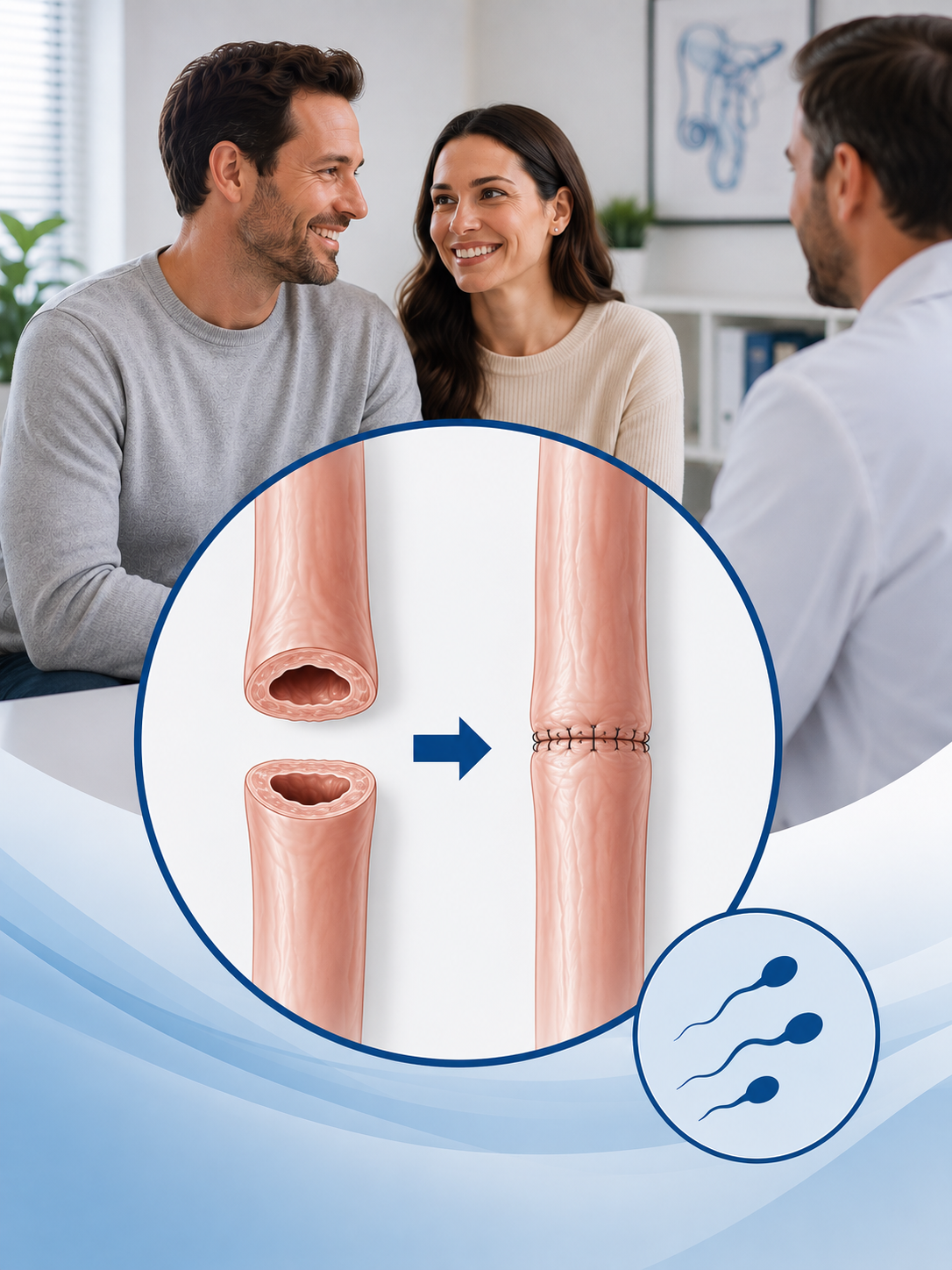
Reconstruct
Microsurgical Vasectomy Reversal
Reconnect the reproductive tract so that sperm may return to the ejaculate.
- Restores the sperm pathway rather than bypassing it
- May allow repeated attempts at natural conception
- Can be relevant when more than one child is desired
- Vasovasostomy or epididymovasostomy may be required
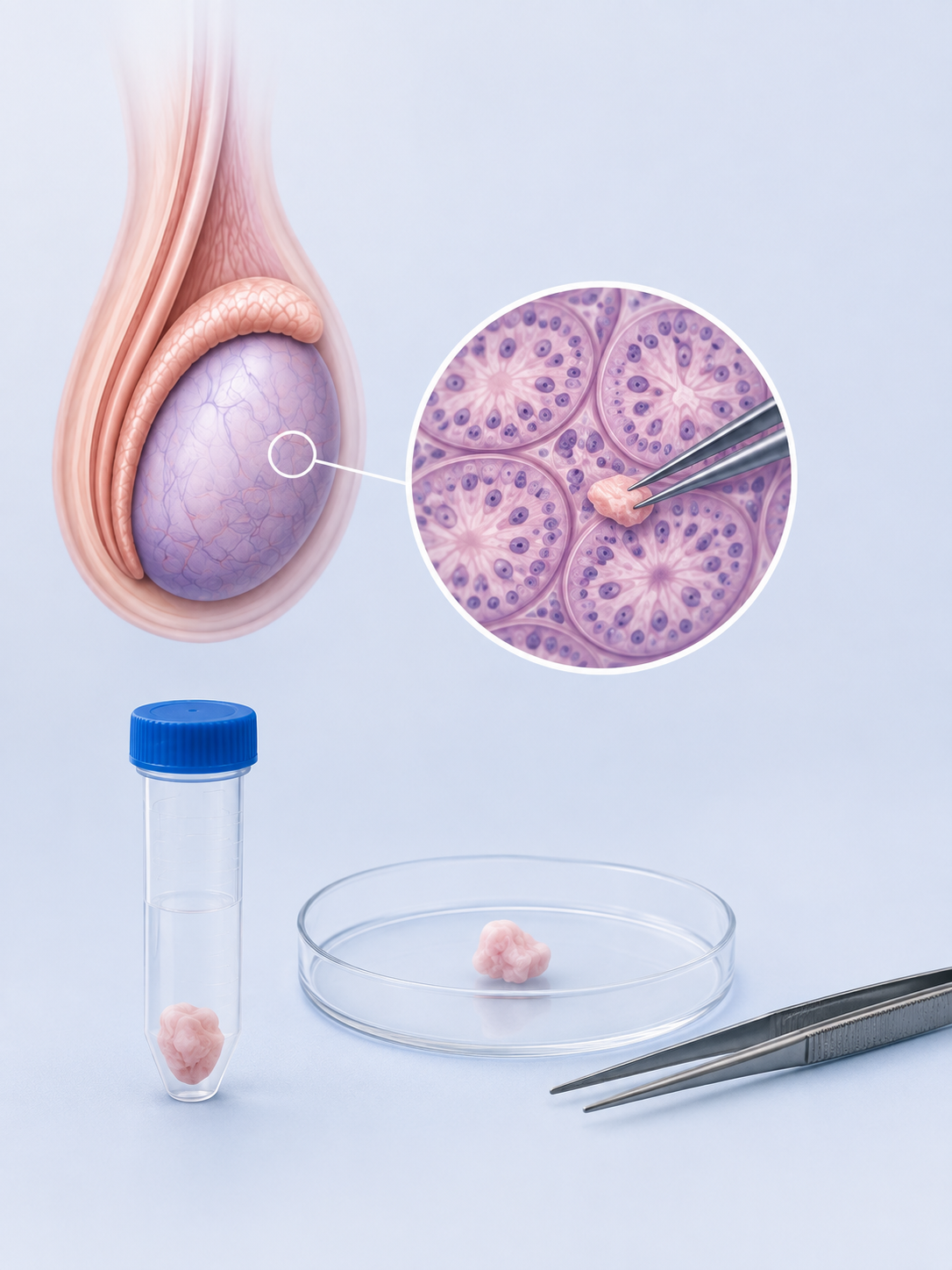
Bypass
Sperm Retrieval + IVF/ICSI
Obtain sperm directly from the epididymis or testicle for assisted reproductive treatment.
- May be relevant when IVF is required for another reason
- Avoids reconstructing the vas deferens
- Requires coordination with a fertility clinic
- Retrieval technique depends on the male diagnosis
Male fertility patient tools
Understand the information before making the next decision
These educational tools are designed to organise information and explain terminology. They do not diagnose infertility or determine which treatment an individual patient requires.
Semen analysis
Semen Analysis Interpreter
Review sperm concentration, motility, morphology, semen volume and other common measurements in plain language.
Open interpreterNo sperm reported
Azoospermia Pathway Finder
Work through the clinical clues commonly considered when a semen analysis reports no sperm.
Open pathway finderPreparation
Male Fertility Assessment Checklist
Review common areas of history, semen testing, hormone assessment and targeted investigation.
Build your checklistFertility after vasectomy
Reversal vs IVF/ICSI
Compare considerations relevant to reconstruction versus sperm retrieval with assisted reproduction.
Compare pathwaysComplex male fertility
When the diagnosis remains uncertain or previous treatment has not solved the problem
Complex male-factor infertility often benefits from returning to the underlying diagnosis rather than simply repeating the previous treatment pathway.
Advanced assessment
Unexplained Fertility Problems
Routine semen parameters do not describe every aspect of sperm function. Additional testing should be selective and clinically useful.
Explore sperm DNAPregnancy outcome
Recurrent Pregnancy Loss
Consider whether relevant male reproductive factors have been reviewed as part of the wider couple assessment.
Explore male factorsPrevious sperm retrieval
Previous TESE or TESA Has Failed
Selected men with non-obstructive azoospermia may require review of the original diagnosis and previous procedure before another retrieval is considered.
Explore MicroTESEPersistent male factor
Varicocele + Previous Fertility Treatment
The question is whether the clinical varicocele genuinely contributes enough to the fertility problem to change management.
Explore varicoceleSevere sperm impairment
Very Low Sperm Count Without a Diagnosis
Severe oligozoospermia may justify examination, endocrine review and selected genetic investigation rather than simply labelling the problem as a low count.
Explore genetic testingEjaculation
Unable to Produce an Ejaculate
Anejaculation, retrograde ejaculation and failure of sperm production require very different fertility pathways.
Explore ejaculation disordersYour male fertility journey
Moving from an abnormal result toward a clearer reproductive plan
Consultation
Review fertility goals, medical history, previous pregnancies, operations, medicines and investigations already performed.
Confirm the Semen Pattern
Interpret the semen parameters together and determine whether repeat laboratory assessment is useful.
Targeted Investigation
Examination, hormones, genetics and imaging are selected according to the suspected reproductive problem.
Define the Likely Cause
Separate sperm-production problems, obstruction, hormonal suppression, ejaculation disorders and overlapping factors.
Compare Relevant Options
Observation, medical management, reproductive microsurgery, sperm retrieval and assisted reproduction can then be discussed where appropriate.
Coordinate Fertility Care
Follow-up and reproductive surgery can be coordinated with the fertility specialist and embryology laboratory where required.

Male reproductive urology
Specialist male fertility care with Dr Jack Crozier
Dr Jack Crozier is a Brisbane urologist and fellowship-trained andrologist whose subspecialty practice includes male reproductive medicine and reproductive surgery.
Male fertility care includes abnormal semen analysis, azoospermia, severe male-factor infertility, reproductive tract obstruction, sperm retrieval, MicroTESE, varicocele surgery and microsurgical vasectomy reversal.
Queensland · Interstate · International
Travelling to Brisbane for complex male fertility care?
Complex azoospermia, genetic infertility, previous unsuccessful sperm retrieval and reproductive tract obstruction may sometimes require subspecialist assessment outside a patient's local area.
Existing investigations can be useful when planning an assessment before major travel arrangements are made.
Useful records to bring
- All semen-analysis reports
- FSH, LH and testosterone results
- Genetic test results
- Relevant ultrasound or other imaging
- IVF and embryology records
- Previous sperm-retrieval reports
- Previous vasectomy or reconstruction reports
- Relevant cancer treatment history

Referring doctors
Complex male fertility referral
Reproductive-urology assessment can be useful for azoospermia, severe oligozoospermia, suspected obstruction, fertility after testosterone or cancer treatment, genetic male infertility, ejaculation disorders and patients being considered for reproductive surgery or sperm retrieval.
Useful referral information
Bring the reproductive pattern together
- Original semen-analysis reports
- Reproductive hormone results
- Relevant imaging
- Fertility treatment / IVF history
- Genetic results where already performed
- Previous reproductive surgery or retrieval reports
Complete male fertility library
Explore male fertility by topic
If you already know the term you are looking for, this directory provides a second route to individual clinical endpoints. You can also use the site search at the top of this page.
Semen analysis
Understanding Your Results
Azoospermia
No Sperm in the Ejaculate
Genetics
Genetic Male Infertility
Obstruction
Reproductive Tract Blockage
Complex male factor
Sperm Quality & Reproductive Outcomes
Acquired fertility problems
Previous Treatment or Medical Conditions
Frequently asked questions
Male fertility FAQs
When should the male partner be assessed?
Male and female fertility assessment can often proceed in parallel. Earlier male review may be useful when there is already an abnormal semen result, azoospermia, previous vasectomy, relevant testicular history, testosterone exposure, cancer treatment or difficulty ejaculating.
Is one abnormal semen analysis enough to diagnose male infertility?
Not usually. Semen parameters vary between samples. The result should be considered with the reproductive history and, where appropriate, repeat testing may be useful before major treatment decisions.
Does a low sperm count mean natural conception is impossible?
No. Sperm concentration is one part of the overall fertility picture. Total sperm number, motility, morphology, reproductive history and female fertility factors also influence the discussion.
What does azoospermia mean?
Azoospermia means sperm have not been identified in the ejaculate. It does not identify the cause. Further assessment is used to determine whether obstruction, impaired sperm production, hormonal suppression or another reproductive problem is more likely.
Does a high FSH mean sperm cannot be found with MicroTESE?
FSH provides information about testicular function but does not by itself establish whether small areas of sperm production remain. It needs to be interpreted with the remainder of the clinical assessment.
Is MicroTESE appropriate for every man with azoospermia?
No. MicroTESE is mainly relevant to selected non-obstructive azoospermia. Men whose azoospermia results from obstruction generally require a different reproductive discussion.
Can testosterone affect fertility?
Yes. External testosterone can suppress the hormonal signals needed for sperm production and can lead to severe sperm suppression or azoospermia. Recovery varies between patients.
Does every varicocele require treatment?
No. Treatment is considered selectively according to the clinical examination, semen abnormalities, reproductive history and the couple's wider fertility circumstances.
Can very small numbers of sperm still be useful for ICSI?
Potentially. ICSI can use small numbers of viable sperm, although suitability for treatment or freezing depends on the laboratory assessment and reproductive plan.
Can interstate or international patients be assessed?
Potentially. Existing semen analyses, hormone results, genetic testing, imaging and previous fertility or surgical records can be useful for planning. In-person examination or additional investigation may still be required.
Male fertility · reproductive urology
Have you received an abnormal semen result or been told that no sperm were found?
Specialist assessment can help clarify whether the problem is more likely to involve sperm production, obstruction, hormonal suppression, ejaculation or another male reproductive factor.
Explore More About Male Fertility & Reproductive Urology