Fertility After Testosterone, TRT & Anabolic Steroids
Testosterone can markedly suppress sperm production — sometimes to the point that very few sperm or no sperm are identified in the semen.
Recovery is often possible, but the timeframe varies. The first step is establishing what has happened to sperm production and whether the reproductive hormone system remains suppressed.
If testosterone was prescribed for a medical reason
Do not stop or alter prescribed testosterone solely on the basis of information on this page. Fertility planning should also consider why testosterone was prescribed, your current symptoms and the underlying hormone diagnosis.
A normal blood testosterone level does not mean sperm production is normal
Normal sperm production depends on hormonal signals travelling from the brain to the testicles. Testosterone taken from outside the body can suppress those signals.
The brain starts the signal
The reproductive hormone pathway begins in the hypothalamus and pituitary.
Signals reach the testicle
LH and FSH are important for testicular testosterone and normal spermatogenesis.
Feedback suppresses the axis
Exogenous testosterone signals that less pituitary stimulation is required, allowing LH and FSH to fall.
Sperm production can fall
Testosterone inside the testicle can become inadequate for normal sperm production despite satisfactory blood testosterone.
Testosterone suppression is not identical in every man
Sperm remain present
Some men continue producing sperm despite testosterone use. Testosterone should therefore not be considered reliable contraception.
Severe low sperm count
Sperm production can become markedly reduced, leaving only small numbers of sperm in the ejaculate.
Azoospermia
In some men no sperm are identified in the semen while pituitary stimulation remains strongly suppressed.
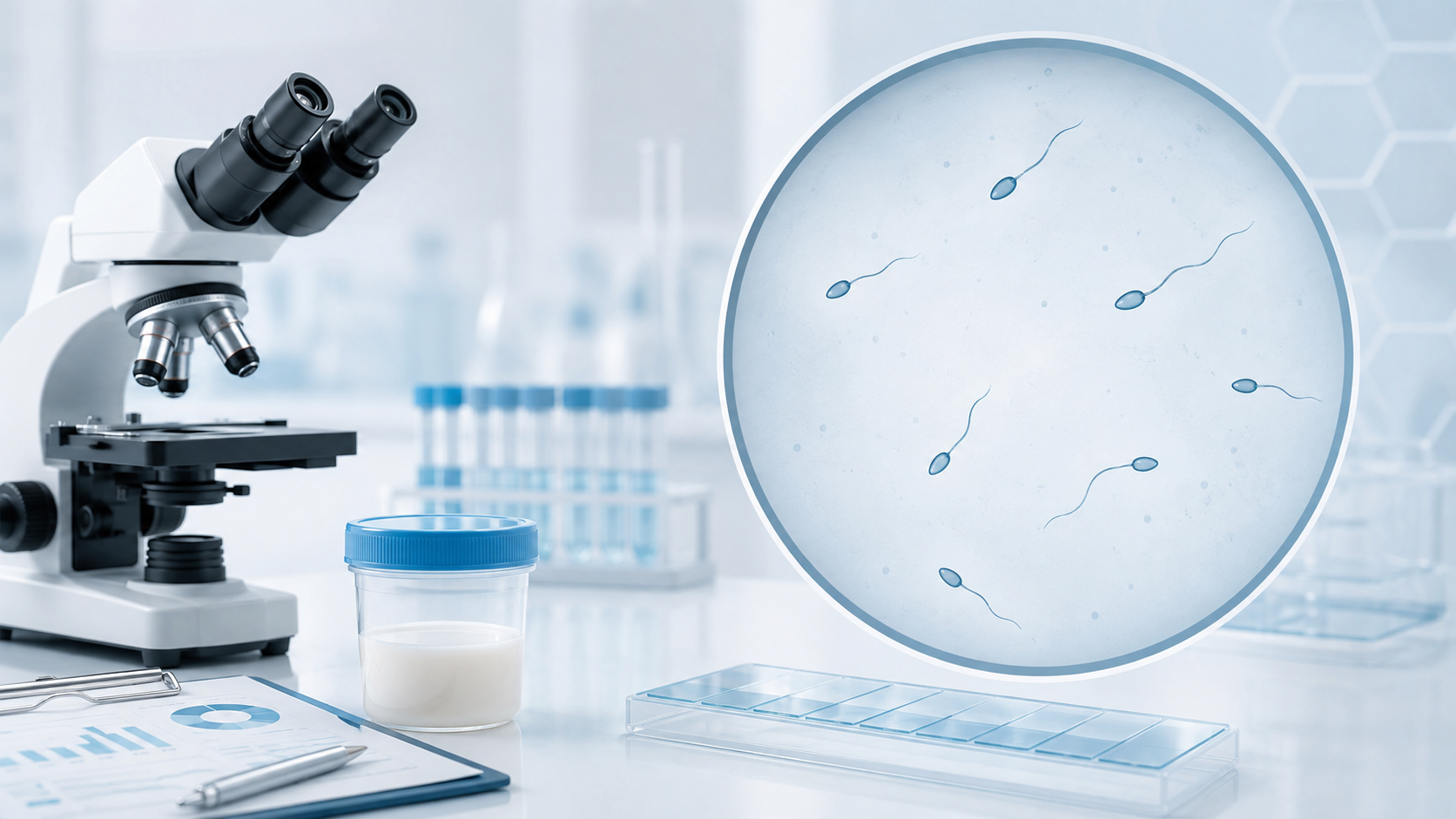
The semen analysis is one of the most useful first tests
A history of testosterone exposure tells us that suppression is possible. It does not tell us how much sperm production has actually been affected.
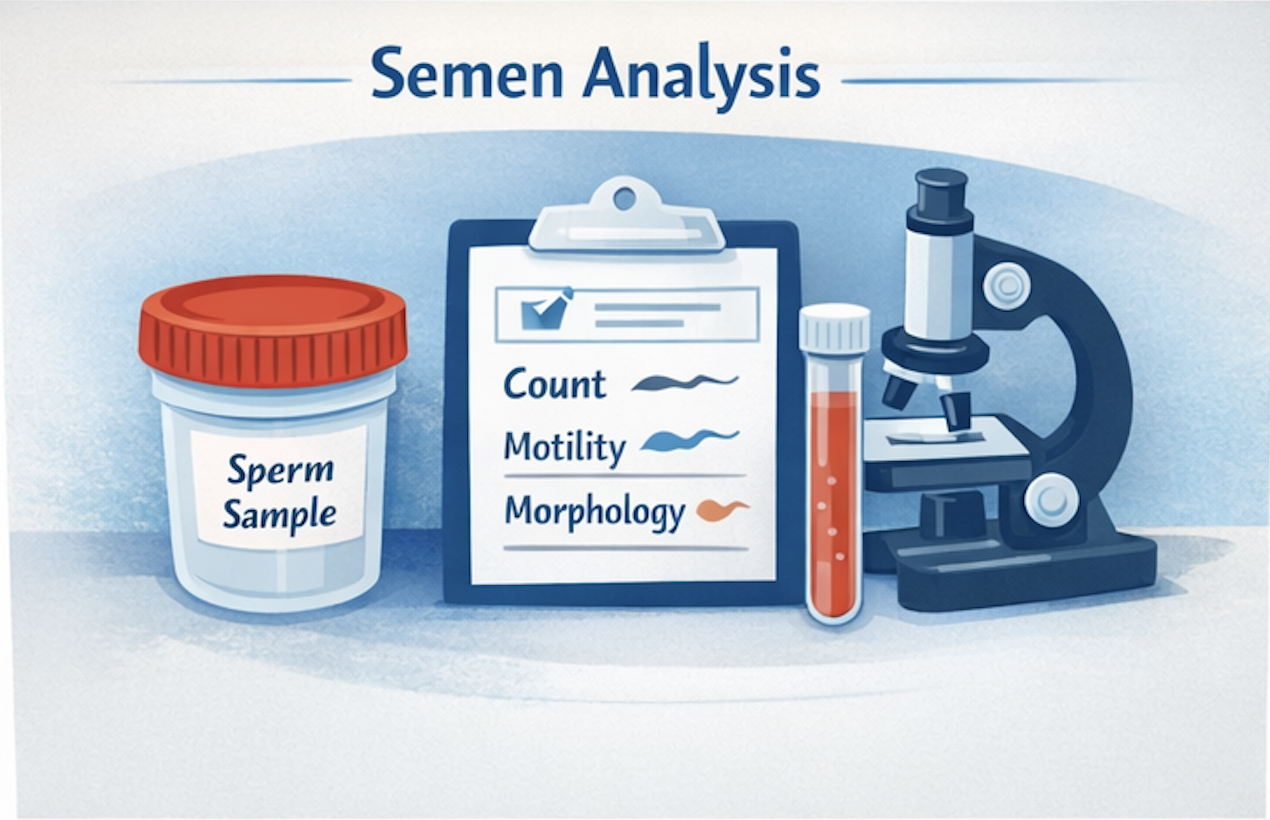
Semen analysis can establish whether sperm are absent, severely reduced or still present in useful numbers.
Concentration, total sperm number and motility should be considered together rather than focusing on a single value.
Establish why sperm production is low
Testosterone may be the obvious explanation, but an underlying fertility problem can sometimes coexist with hormonal suppression.
Assessment therefore looks beyond the medication history.

The next step depends on the semen pattern
Sperm remain in the ejaculate
Complete suppression has not occurred. The actual sperm numbers, motility and fertility timeframe determine whether observation, preservation or fertility treatment needs discussion.
Understand My Result →Severe oligozoospermia
Small numbers of sperm may still be important. In selected circumstances sperm freezing may be discussed rather than waiting until the count becomes completely normal.
Low Sperm Count Guide →Azoospermia
Profound testosterone-related suppression can cause azoospermia, but persistent azoospermia may need broader assessment to ensure another cause is not being missed.
Azoospermia Guide →How long can sperm recovery take?
Sperm production cannot return immediately because both hormonal recovery and spermatogenesis take time.
Some men recover over several months. Others take longer, particularly after prolonged androgen exposure or when testicular function was already reduced beforehand.
Rather than relying on one fixed recovery date, repeat semen and hormone testing can show whether a meaningful recovery trajectory is occurring.

Establish the semen result, reproductive hormones and exposure history.
Pituitary hormones may begin recovering before useful sperm are seen in the ejaculate.
Repeat semen analysis can show whether sperm are returning and whether numbers are improving.
Reassess the diagnosis, recovery strategy and fertility timeframe if improvement remains inadequate.
There is no guaranteed recovery date. The trajectory varies with duration and type of androgen exposure, age, baseline testicular function and other fertility factors.
Does every man need fertility medication?
No. The appropriate strategy depends on the hormone pattern, semen findings, why testosterone was being used and the reproductive timeframe.
Natural hormonal recovery
In selected men, removal of suppressive androgen exposure followed by repeat hormone and semen testing may be sufficient while the reproductive axis recovers.
hCG-based treatment
hCG provides LH-like stimulation and may be considered in selected men where restoring testicular stimulation is clinically appropriate.
Selective oestrogen receptor modulation
Medicines such as clomiphene are sometimes used off-label to stimulate endogenous LH and FSH in appropriately selected men.
Gonadotropin treatment
More intensive gonadotropin treatment may be relevant to selected men with persistent secondary hormonal suppression or another form of hypogonadotropic hypogonadism.
Hormonal treatments are not interchangeable fertility boosters. A man whose LH and FSH remain suppressed has a different biological problem from a man whose gonadotropins are already elevated because of primary testicular dysfunction.
What if the testosterone was used for bodybuilding or performance?
Non-prescribed testosterone and anabolic steroids can suppress the same reproductive hormone pathway, although the exposure may be more complex.
Multiple drugs
Some regimens involve several anabolic agents rather than testosterone alone.
Dose & duration
Prolonged or substantial exposure can result in pronounced reproductive suppression and slower recovery.
Baseline fertility
An underlying male fertility problem may have been present before androgen exposure and can become apparent during recovery.
The sperm count does not need to become completely normal before it becomes useful
Small numbers of viable sperm can sometimes change the available fertility options. This can be an important point to reassess rather than simply continuing to wait indefinitely.
Further observation may be reasonable when the fertility timeframe allows.
Cryopreservation may preserve sperm that have returned while recovery continues.
The couple's wider fertility situation determines whether assisted reproductive treatment is appropriate.
Relatively small numbers of viable sperm may potentially be useful for ICSI when clinically appropriate.
Persistent azoospermia needs reassessment
Continuing to wait is not automatically the correct answer when no sperm remain detectable over time.
Are the hormones still suppressed?
LH and FSH can help establish whether recovery of pituitary stimulation remains incomplete.
Is there underlying testicular dysfunction?
Pre-existing impaired sperm production can coexist with testosterone-associated suppression.
What is the reproductive plan?
The available time for recovery and the fertility circumstances of both partners influence when another pathway should be considered.
Future fertility is worth discussing before the first dose
If biological parenthood may be important later, the ideal time to consider fertility is before treatment suppresses the reproductive hormone pathway.
Trying to conceive now? Exogenous testosterone is not a fertility treatment and can work directly against spermatogenesis.

What if I genuinely need treatment for low testosterone?
Men who were receiving testosterone for symptomatic hypogonadism may notice symptoms return when treatment is changed.
Fertility recovery should therefore not simply ignore the original reason TRT was commenced.
The underlying cause of low testosterone can be reviewed alongside the fertility goal. In selected men, approaches that stimulate endogenous testicular hormone production may be considered instead of simply replacing testosterone from outside the body.
Whether this is appropriate depends on the hormone pattern and underlying diagnosis.
Can testosterone be restarted later?
Current fertility goal complete
Once biological family planning is complete, the balance between symptom treatment and fertility suppression changes.
More children later?
If another pregnancy may be desired later, sperm preservation before restarting suppressive treatment may be worth discussing.
Reassess the hormone diagnosis
Long-term testosterone treatment should continue to be based on the underlying endocrine diagnosis and appropriate follow-up.
From testosterone exposure to a clearer reproductive plan
Document testosterone or anabolic exposure and current reproductive goals.
Review semen analysis and reproductive hormone results.
Follow the natural or specialist-directed recovery pathway appropriate to the diagnosis.
Use repeat semen testing to determine whether recovery changes the available fertility options.
Understand your fertility results
These educational tools can help organise your existing results before specialist review.
Semen Analysis Interpreter
Review sperm concentration, total sperm number, motility, morphology and semen volume.
Open Interpreter →Azoospermia Pathway Finder
Work through information commonly considered when no sperm are reported on semen testing.
Open Pathway Finder →Male Fertility Assessment Checklist
Organise semen reports, hormone testing, medications and previous reproductive information.
Build My Checklist →
Fertility assessment after testosterone suppression
Dr Jack Crozier is a Brisbane urologist and fellowship-trained andrologist with a subspecialty practice in male reproductive medicine and reproductive surgery.
Assessment after TRT or anabolic-steroid exposure considers the semen pattern, reproductive hormones, previous fertility, underlying testosterone diagnosis and the couple's reproductive timeframe together.
Related male fertility pathways
Questions patients often ask
Can testosterone make me infertile?
Testosterone taken from outside the body can suppress LH and FSH and substantially reduce sperm production. In some men this results in azoospermia.
Can I still get someone pregnant while taking TRT?
Yes. Testosterone does not reliably suppress sperm in every man and should not be relied upon as contraception.
Should I stop prescribed testosterone immediately if I want a baby?
Discuss any proposed change with the clinician managing your testosterone treatment. The fertility plan should also consider why TRT was prescribed and your underlying hormone condition.
How long does sperm recovery take?
There is no universal timeframe. Some men recover sperm production over several months, whereas recovery can take considerably longer in others.
Does sperm always return after stopping testosterone?
Recovery occurs in many men, but complete recovery cannot be guaranteed. Some men have underlying impaired testicular function or another fertility problem.
Can hCG help restore fertility?
hCG provides LH-like stimulation and may be used in selected men where restoring testicular hormonal stimulation is appropriate. Treatment should be based on the hormone pattern and fertility plan.
Does hCG taken with TRT guarantee that sperm are preserved?
No. Normal spermatogenesis cannot be assumed simply because hCG is being used alongside testosterone. Semen analysis is required to determine what sperm production is actually occurring.
Is clomiphene used after testosterone?
Clomiphene is sometimes used off-label in selected men to increase endogenous pituitary stimulation. It is not appropriate for every cause of low testosterone or male infertility.
Do anabolic steroids cause the same fertility problem?
Anabolic-androgenic steroids can suppress the same hormonal pathway as prescribed testosterone and can result in severe oligozoospermia or azoospermia.
My testicles became smaller during TRT. Does this mean permanent infertility?
No. Reduced stimulation can be associated with reduced testicular volume, but size alone cannot determine whether fertility will recover.
What if sperm return but there are only a few?
Even small numbers of viable sperm may be clinically useful. Depending on the fertility plan, sperm freezing or assisted reproduction may be discussed rather than waiting for the concentration to become completely normal.
What if I still have azoospermia after stopping testosterone?
Persistent azoospermia warrants reassessment of hormonal recovery and whether another cause of impaired sperm production is present.
Should sperm be frozen before starting testosterone?
Men who may want biological children in the future can discuss baseline semen testing and sperm cryopreservation before commencing a treatment known to suppress spermatogenesis.
Can testosterone be restarted after having children?
Potentially. Once the current fertility goal is complete, testosterone treatment can be reconsidered with the treating clinician. Future fertility plans should also be considered.
Trying for a baby after TRT or anabolic steroid use?
Start by establishing whether sperm are currently present, whether the reproductive hormone pathway remains suppressed, and how much time is available for recovery before choosing the next fertility pathway.
Explore More About Male Fertility