

Dr Jack Crozier
BBiomedSc, MBBS, FRACS (Urology)
Specialist care in male fertility, penile and reconstructive surgery, and neuro-urology.
Australian-trained urologist with advanced fellowship training in Brisbane and London. Consultations in Greenslopes and Springwood.
Assessment pathways for Brisbane, regional, interstate and international patients.
Find information relevant to you
Explore symptoms, investigations and treatment options across seven areas of urological care.
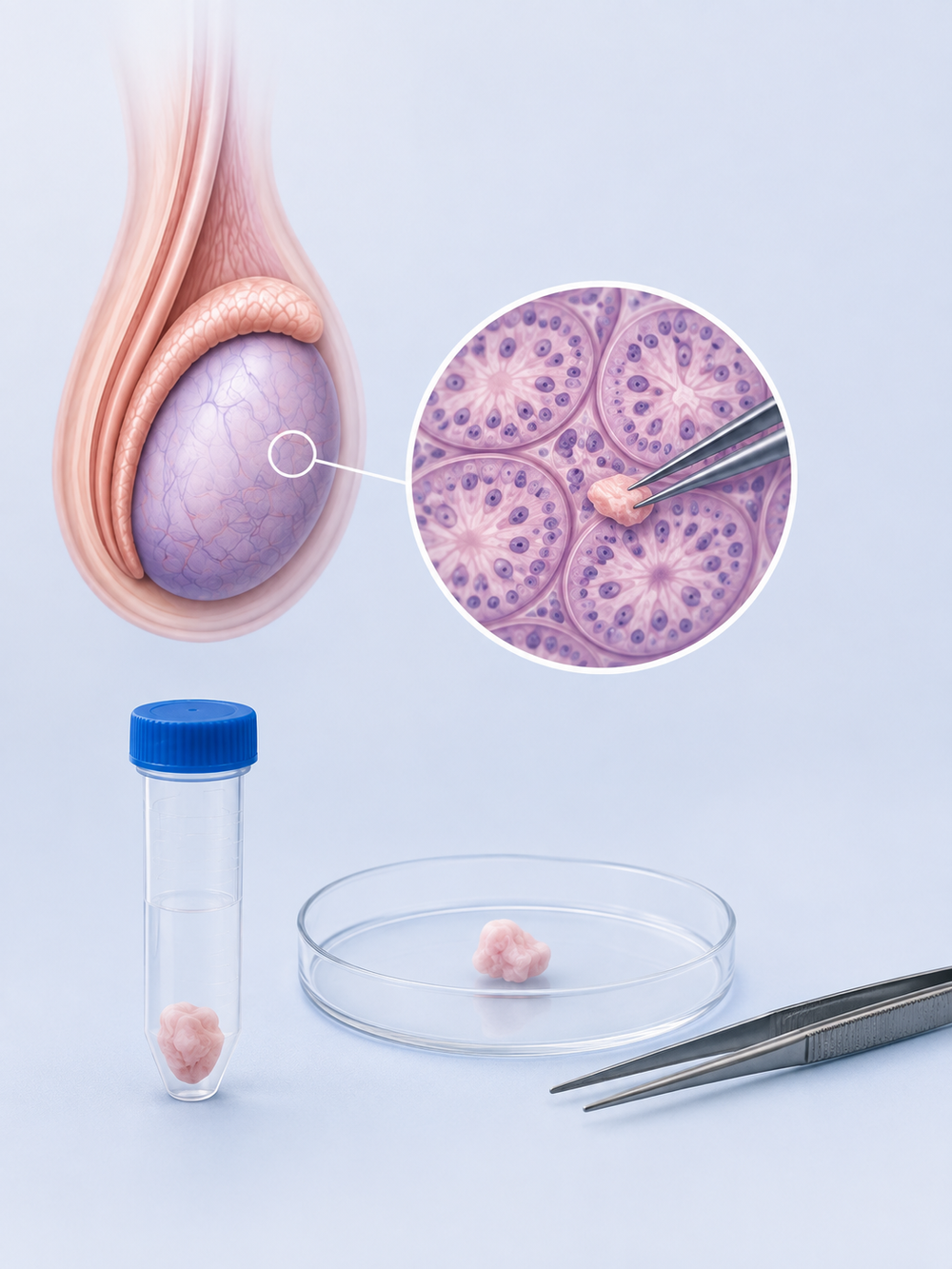
Male fertility
Abnormal semen results, azoospermia, fertility after vasectomy or testosterone use, sperm retrieval and reproductive microsurgery.
Explore male fertility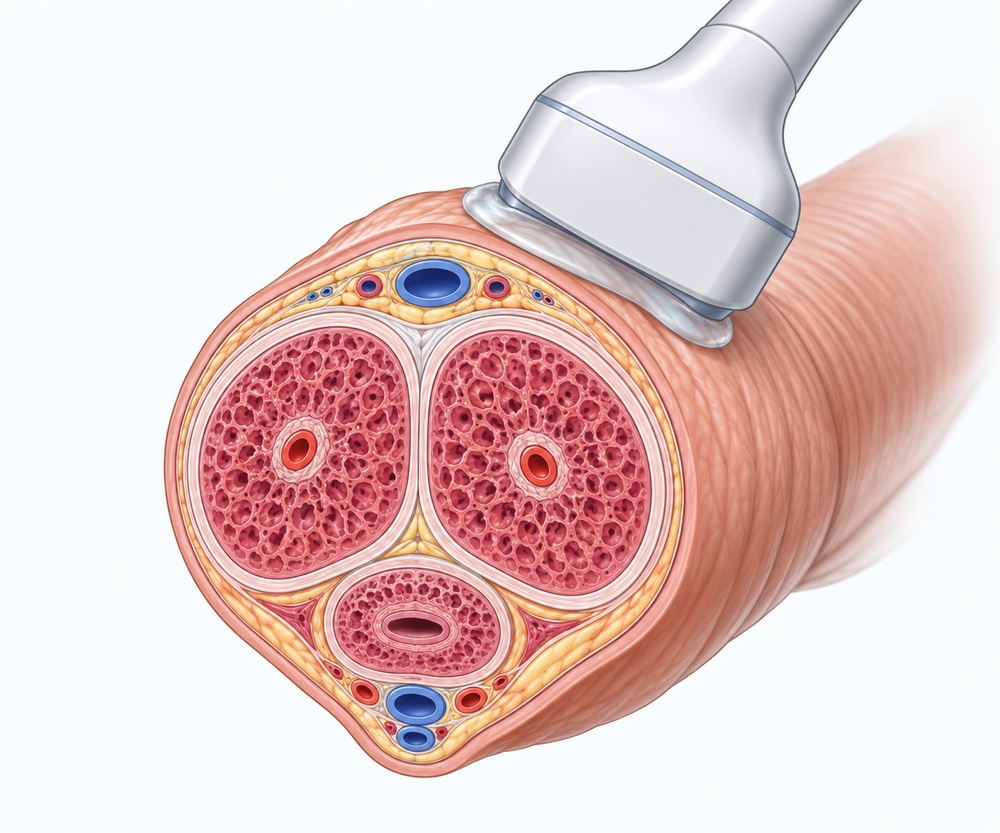
Erections, implants & Peyronie’s
Erectile dysfunction, penile curvature, implant surgery and revision after previous penile surgery.
Explore ED and penile surgery
Penile & urinary reconstruction
Urethral stricture, buried penis, genital skin disease, circumcision for scarring and reconstruction after previous surgery.
Explore reconstruction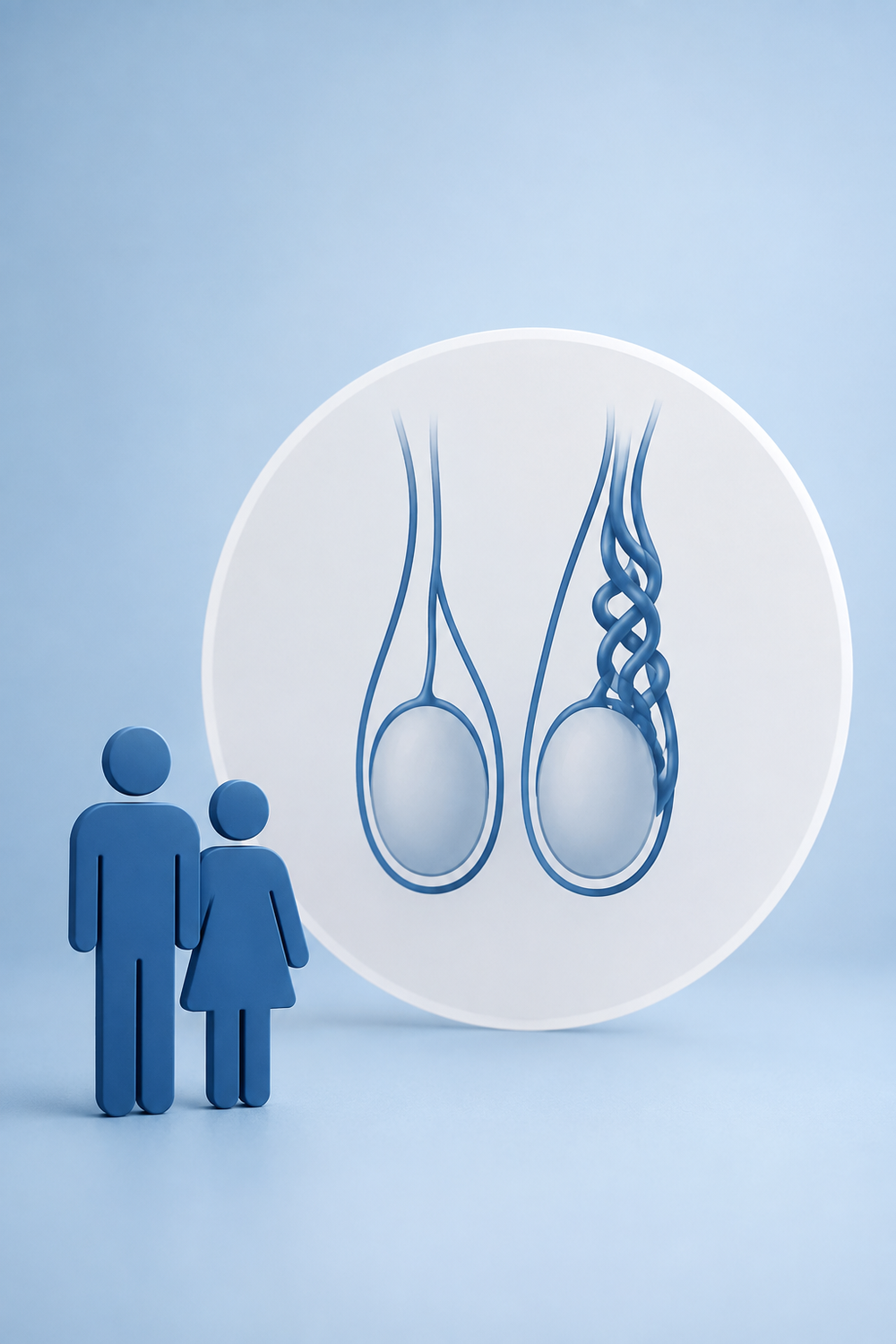
Testicular & scrotal conditions
Testicular lumps, hydrocele, epididymal cysts, undescended testis, paratesticular masses and testicular prostheses.
Explore testicular and scrotal care
Penile & testicular cancer
Assessment, surgical treatment and organ-preserving or reconstructive options where appropriate.
Explore cancer care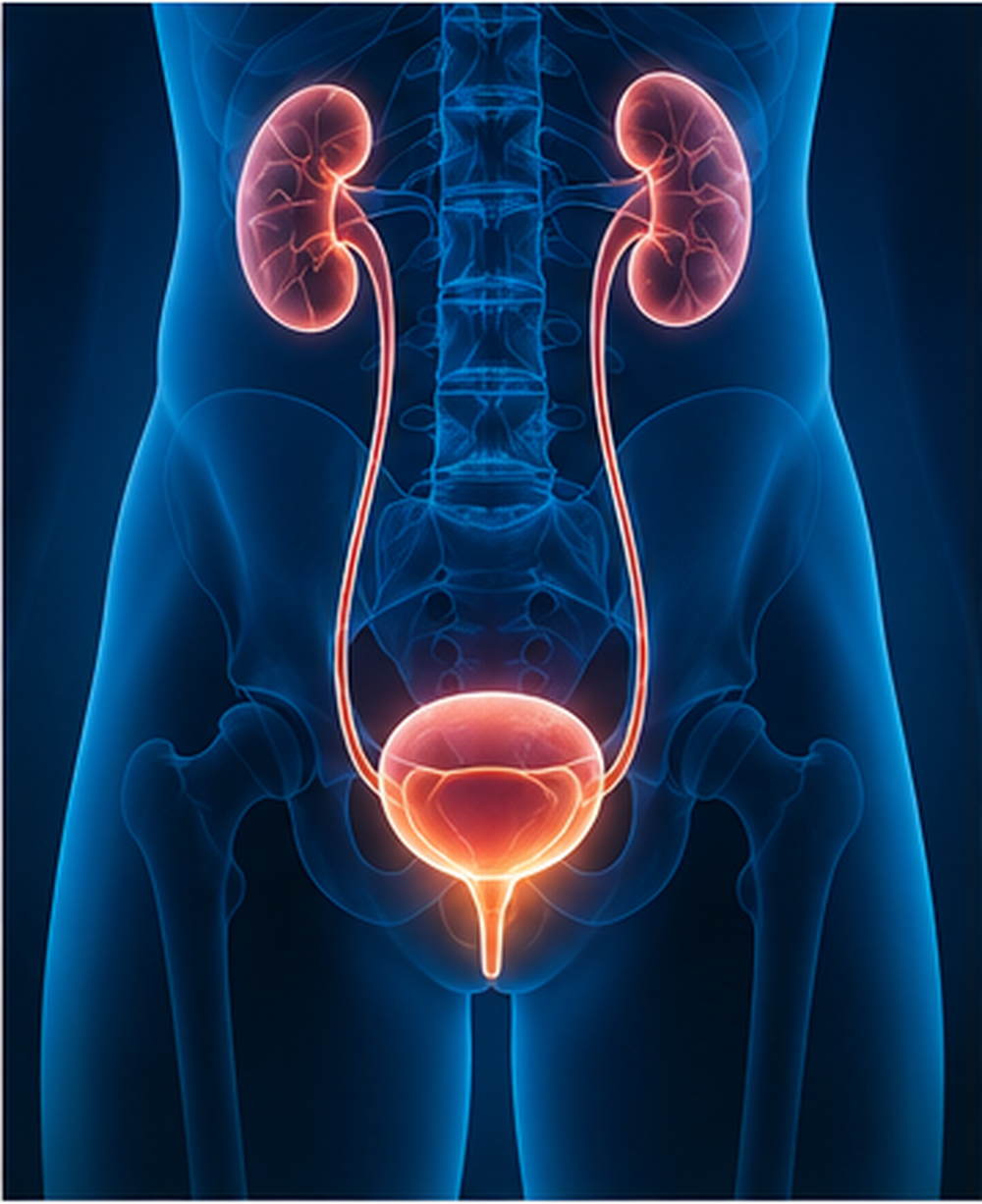
Bladder, continence & neuro-urology
Bladder dysfunction associated with neurological disease, incontinence, difficulty emptying, catheter problems and selected reconstructive surgery.
Explore bladder care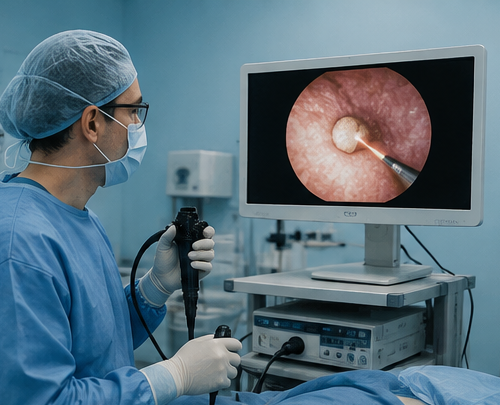
Kidney stones & endourology
Kidney and ureteric stones, ureteroscopy, laser stone treatment, PCNL and assessment of recurrent stone disease.
Explore kidney stone care
Understand the problem.
Consider the options.
Dr Crozier’s practice brings together male reproductive medicine, penile surgery, urinary reconstruction and bladder care associated with neurological disease.
These areas often overlap. Treatment planning considers your diagnosis, anatomy, previous treatment and priorities for urinary and sexual function, fertility and daily life.
- 01 Define the diagnosis
- 02 Review previous treatment
- 03 Consider function and anatomy
- 04 Individualise the treatment plan
More about Dr Crozier’s clinical practice
His work includes male infertility and reproductive microsurgery, erectile dysfunction, penile implant surgery, Peyronie’s disease, urethral and genital reconstruction, scrotal and testicular conditions, and bladder dysfunction associated with neurological disease.
He also has fellowship experience in uro-oncology and robotic surgery, and manages selected penile and testicular cancer pathways alongside kidney and ureteric stone disease.
When areas of care overlap
- Fertility and testicular surgery: future fertility may need to be considered before treatment involving testicular tissue.
- Peyronie’s disease and erectile dysfunction: erection quality can influence which reconstructive operation is appropriate.
- Cancer and reconstruction: cancer treatment can have urinary, sexual and reconstructive implications.
- Neurological disease and continence: bladder pressure, emptying, continence and daily independence may need to be considered together.
Surgical techniques
Reproductive surgery may use microsurgical techniques. Penile and urethral reconstruction may involve scar release, tissue reconstruction or revision of previous surgery. Kidney stone surgery commonly uses endoscopic or percutaneous access. The procedure is selected according to the diagnosis and individual circumstances.
Australian training.
Advanced fellowships in Brisbane and London.
Fellowship training in uro-oncology and robotic urology, followed by andrology and reconstructive urology.
-
Spinal injuries urology
Staff Specialist Urologist (Spinal Injuries), Princess Alexandra Hospital, Brisbane.
-
Andrology & Reconstructive Urology Fellowship
University College London Hospitals NHS Foundation Trust, London.
-
Uro-oncology & Robotic Urology Fellowship
Princess Alexandra Hospital, Brisbane.
-
FRACS (Urology)
Specialist urology training across Queensland and northern New South Wales, followed by Fellowship of the Royal Australasian College of Surgeons.
London fellowship experience
Dr Crozier’s UCLH fellowship included male fertility and sperm retrieval, penile implant surgery, Peyronie’s surgery, reconstructive andrology, penile cancer, testicular and paratesticular disease, genital reconstruction, prosthetic revision and functional urology.
During this period he worked alongside specialists including Professor Asif Muneer, Mr Hussain Alnajjar, Miss Pippa Sangster and Mr Nim Christopher.
Qualifications & academic recognition
- FRACS (Urology), Royal Australasian College of Surgeons.
- Frank Gardner Award for the highest score in the Surgery Specific Examination.
- Postgraduate Certificate of Surgical Sciences, University of Edinburgh.
- Postgraduate Diploma in Surgical Anatomy (Urology), University of Melbourne.
- Bachelor of Medicine / Bachelor of Surgery, Deakin University.
- Bachelor of Biomedical Science, Monash University.
Professional registration & memberships
- Medical Board of Australia (AHPRA): general and specialist registration in Surgery (Urology).
- General Medical Council, United Kingdom: full registration.
- Member, Urological Society of Australia and New Zealand (USANZ).
- Member, European Association of Urology (EAU).
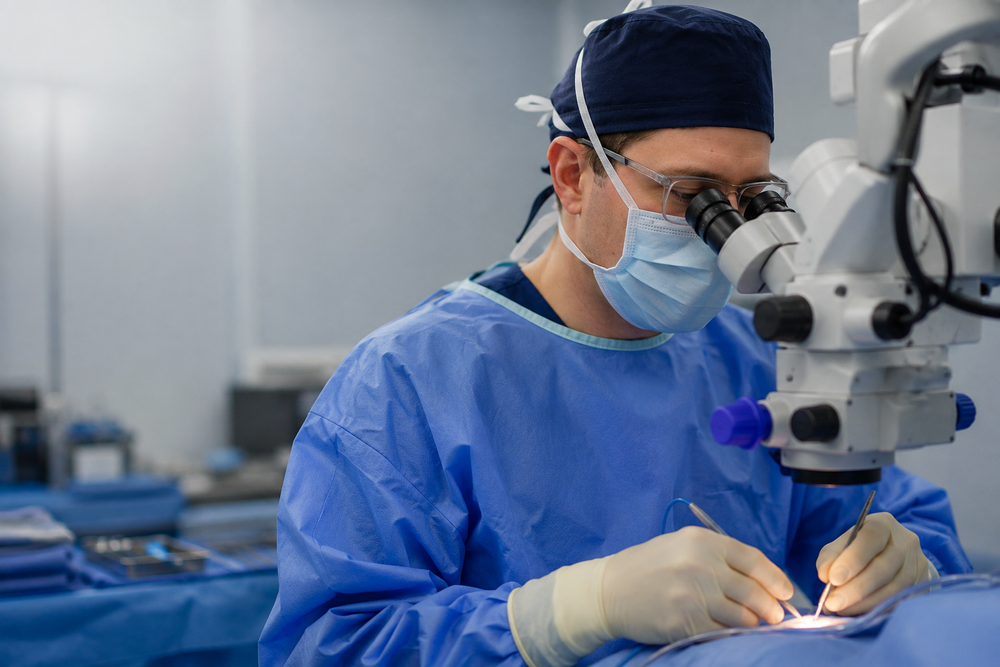
His appointment in spinal injuries urology at Princess Alexandra Hospital complements his work in urinary reconstruction and neuro-urology.
Choose where to begin
Appointments for a first assessment, persistent symptoms, recurrent conditions or review after previous treatment.
Greenslopes & Springwood
Assessment for general and subspecialty urological concerns through the appropriate clinical pathway.
- New specialist assessments
- Persistent symptoms and recurrent conditions
- Review after previous surgery
- Surgical planning and follow-up
Regional, interstate & international patients
Existing records can help organise the next steps before significant travel arrangements are made.
Records that may help
- Previous operation reports
- Relevant imaging
- Pathology and laboratory results
- Implant information, where relevant
- Specialist correspondence
This website provides general educational information and does not replace individual medical assessment. Investigation and treatment recommendations depend on the diagnosis, examination, relevant investigations, previous treatment, potential benefits and risks, and individual clinical circumstances.