BLADDER • CONTINENCE • NEURO-UROLOGY
Bladder, Continence &
Neuro-Urology
Specialist assessment of urinary incontinence, complex bladder dysfunction and neurological bladder conditions in Brisbane.
Care focuses on understanding bladder storage, pressure, emptying and continence while also considering urinary-tract safety, independence, catheterisation and everyday quality of life.
- Neurogenic bladder and spinal cord injury
- Bladder overactivity and complex storage symptoms
- Male urinary incontinence and continence surgery
- Bladder emptying, catheterisation and reconstruction
General educational information only. Individual assessment determines which investigations and treatment options are relevant.
FIND A CONDITION, TREATMENT OR RESOURCE
Looking for something specific?
Search the full clinical library. You do not need to know the medical term: try a symptom, diagnosis, procedure or everyday phrase.
CONDITIONS & TREATMENTS
What can we help with?
Similar urinary symptoms can arise from different problems involving the bladder, urinary sphincter, bladder outlet or neurological control. Assessment focuses on identifying the underlying pattern before deciding which pathway may be appropriate.
Neurogenic Bladder
Bladder storage, emptying and continence assessment in people with spinal cord injury, multiple sclerosis and other neurological conditions.
Explore neurogenic bladder →Bladder Overactivity
Assessment of urgency, frequency, urgency-related leakage and persistent bladder-storage symptoms.
Explore bladder overactivity →Urinary Incontinence
Stress, urgency, mixed and neurological urinary leakage, including incontinence following prostate or pelvic treatment.
Explore urinary incontinence →Artificial Urinary Sphincter
Continence surgery for appropriately selected patients with significant sphincter-related urinary leakage.
Explore continence surgery →Bladder Emptying & Catheter Problems
Urinary retention, difficult intermittent catheterisation, long-term catheter problems and changing bladder-emptying requirements.
Read about catheter problems ↓Bladder Reconstruction
Selected complex bladder conditions where reconstructive options may need to be considered.
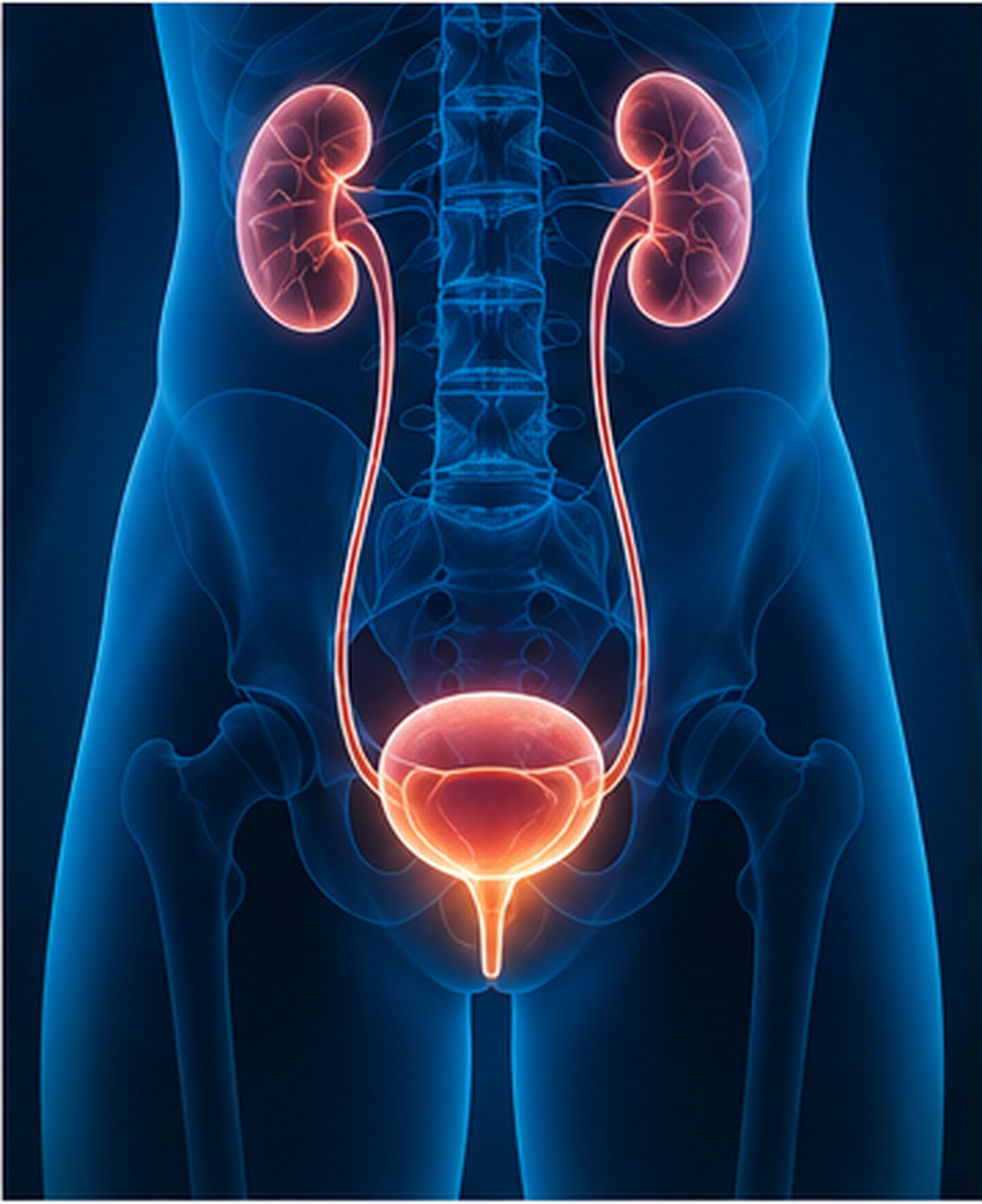
Explore bladder reconstruction →Technical illustrations are used to explain the pathway, not to determine treatment. Individual assessment remains necessary to identify the relevant bladder problem and reasonable options.

UNDERSTANDING THE WHOLE URINARY TRACT
Bladder care involves more than urinary leakage
In complex bladder and neurological conditions, assessment may consider storage, bladder pressure, emptying, continence and the upper urinary tract together.
The importance of each factor varies between patients, particularly when neurological disease, previous surgery or long-term catheterisation is involved.
Capacity, urgency and contractions.
Whether storage remains low pressure.
Spontaneous or assisted emptying.
Bladder, sphincter or mixed leakage.
Upper-tract safety where relevant.
Mobility, hand function and carers.
DIFFERENT SYMPTOMS, DIFFERENT PROBLEMS
Finding the underlying bladder problem matters
Urgency leakage and stress leakage are not the same condition. Some patients predominantly have a bladder-storage problem, some have reduced urinary sphincter function, and others have several contributing factors.
Urgency leakageOften occurs with a sudden compelling need to urinate.
Stress leakageMay occur with coughing, standing, lifting or movement.
Emptying problemsMay involve retention or incomplete bladder emptying.
Neurological dysfunctionCan affect storage, pressure, sensation and emptying.
BLADDER TESTING
When more information about bladder function is needed
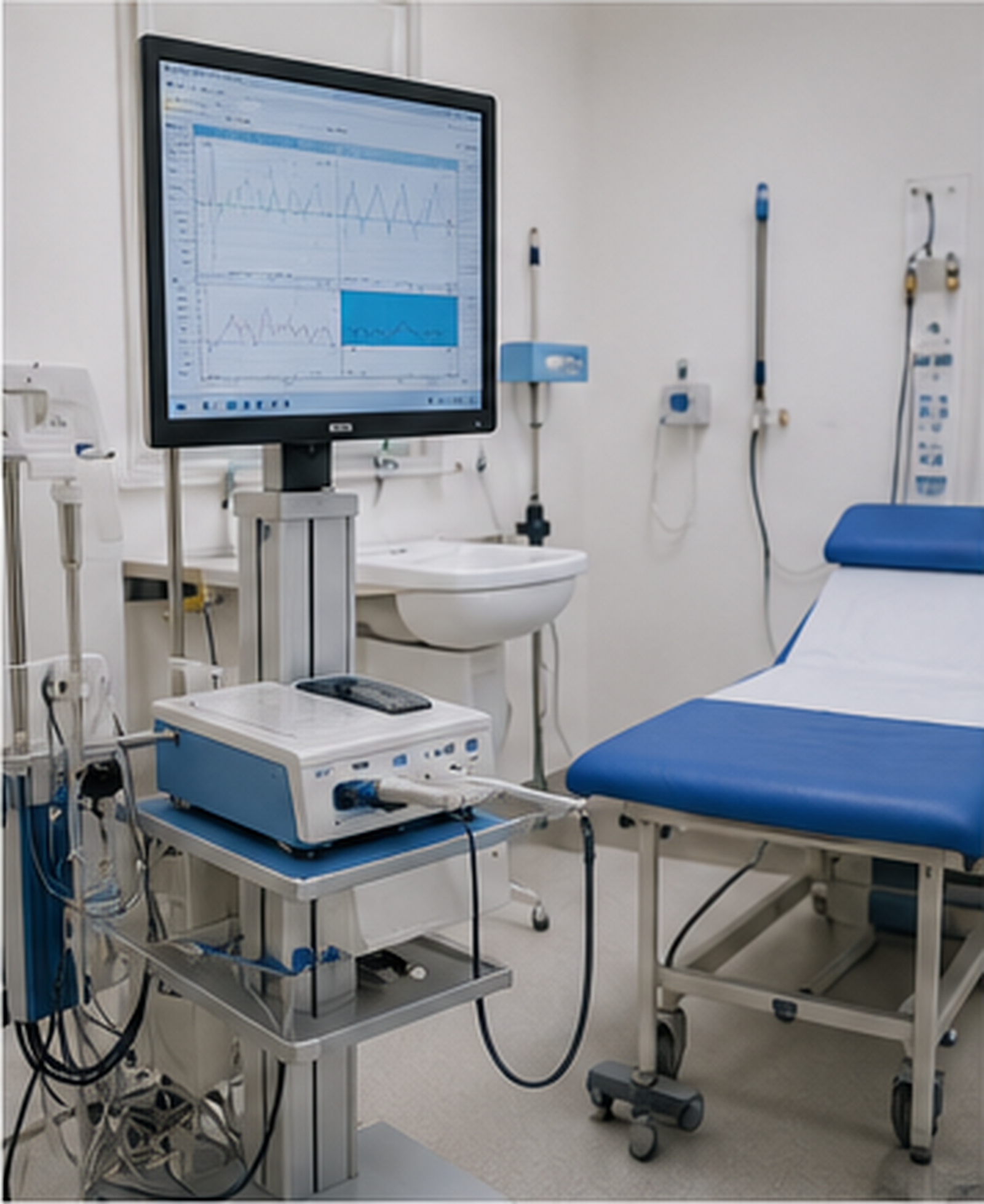
Some bladder problems can be assessed from symptoms, examination, bladder scanning, urine testing and imaging. In selected patients, urodynamic assessment can provide additional information about bladder storage, pressure, contractions and emptying.
Bladder storage pressure
Whether pressure remains acceptable during filling.
Involuntary bladder activity
Contractions during filling and their relationship to urgency or leakage.
Bladder compliance
Whether pressure rises excessively as bladder volume increases.
Bladder contraction
Whether the bladder generates sufficient contraction to empty effectively.
Bladder-sphincter coordination
How the outlet behaves during attempted emptying.
Testing is chosen according to the clinical question. Not every patient requires urodynamics or every investigation.
SPECIALIST NEURO-UROLOGY
Bladder management after neurological injury or disease
Neuro-urology considers how neurological conditions affect bladder storage, emptying and continence. For some patients, priorities extend beyond symptoms to urinary-tract surveillance, practical emptying and independence.
Surveillance and pressure assessment when indicated.
Understand the mechanism contributing to leakage.
Develop a safe and practical emptying strategy.
Consider mobility, hand function, carers and travel.
BLADDER EMPTYING & CATHETERISATION
When bladder emptying becomes difficult
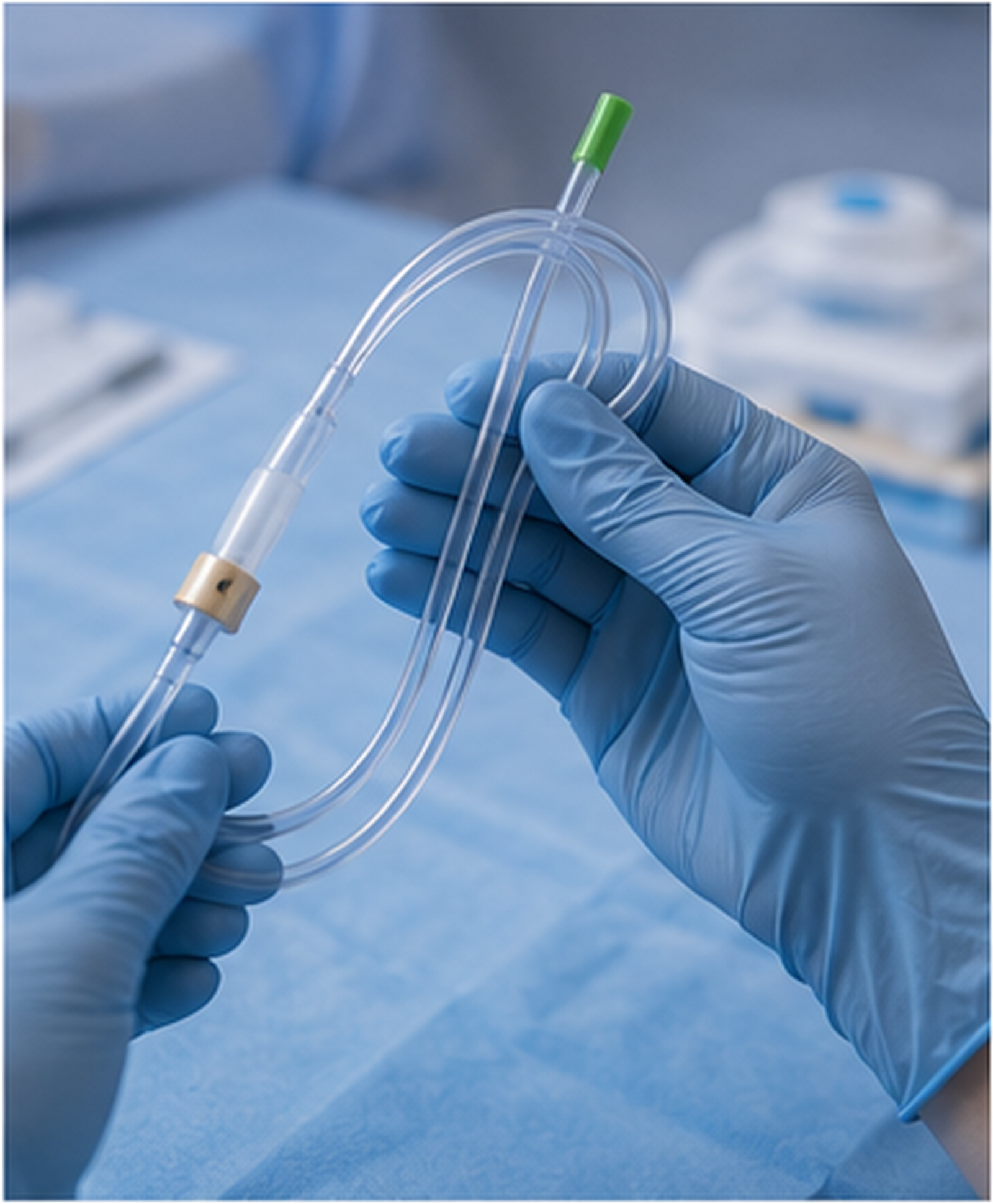
Difficulty emptying can occur because of altered bladder contraction, outlet resistance, neurological dysfunction, previous surgery or a combination of factors.
Patients using intermittent or long-term catheterisation may need reassessment if catheterisation becomes increasingly difficult, unreliable or associated with recurrent problems.
YOUR ASSESSMENT
A structured bladder & neuro-urology pathway
The starting point is defining what is happening before deciding which management options may be appropriate.
Understand
Review symptoms, medical history, previous surgery, neurological conditions and the current bladder routine.
Assess
Select targeted investigations according to the clinical question.
Prioritise
Identify the most important safety, continence, independence and quality-of-life goals.
Plan
Discuss reasonable non-surgical, procedural or surgical options where relevant.
Review
Reassess bladder function as symptoms, neurological function or catheter requirements change.

PRACTICAL BLADDER CARE
The plan needs to work outside the clinic
Bladder management can affect sleep, work, travel, mobility, carers, transfers, relationships and independence.
Discuss your bladder management →CONTINENCE & RECONSTRUCTIVE SURGERY
When surgery becomes part of the discussion
Surgery is not required for every bladder or continence problem. When an operation is considered, it should reflect the underlying problem, anatomy, previous treatment and individual circumstances.
MALE CONTINENCE
Urinary incontinence & artificial urinary sphincter assessment
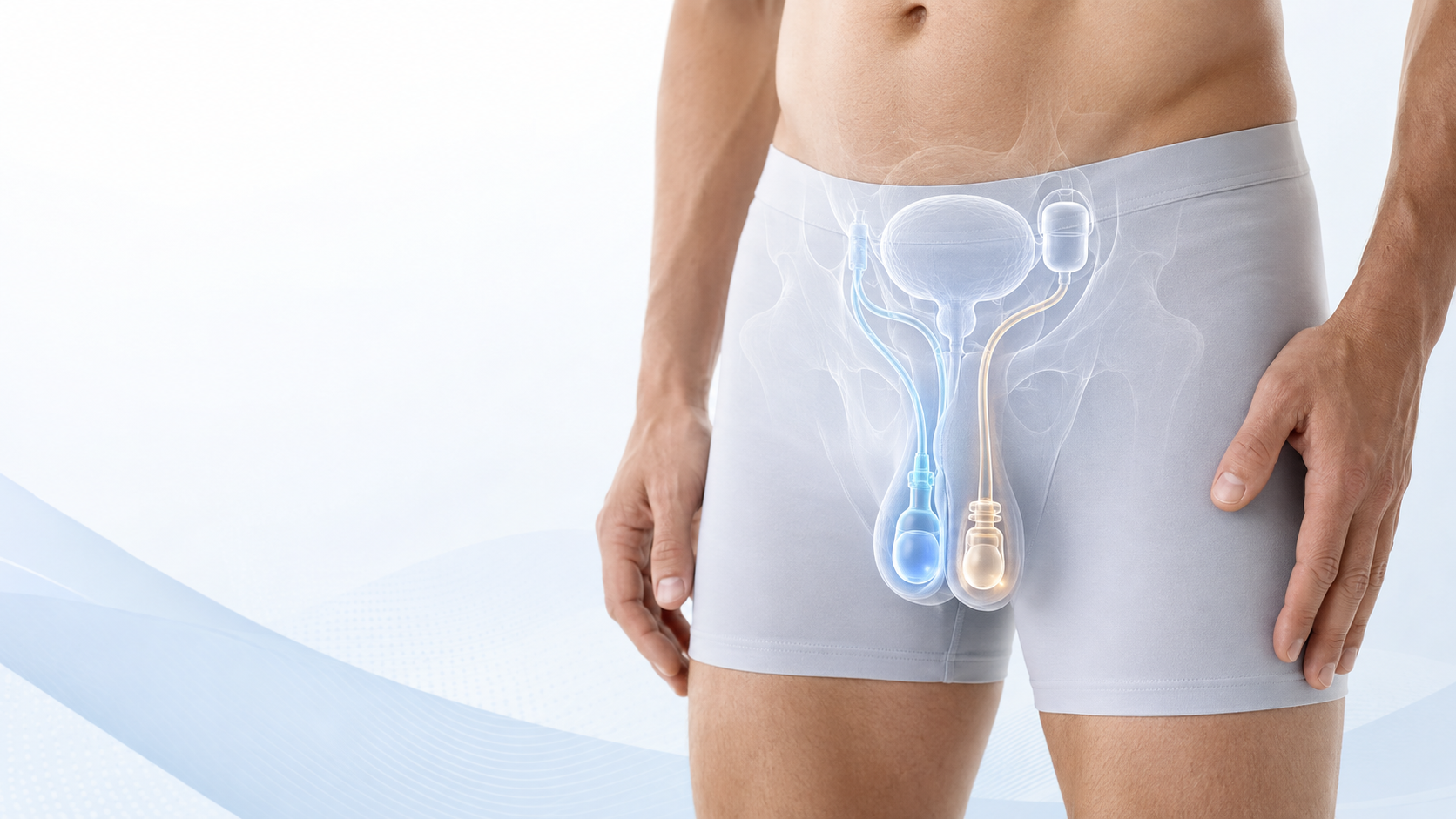
Significant stress urinary incontinence can occur when the urinary sphincter does not provide sufficient resistance, including after prostate or pelvic treatment.
- Stress versus urgency leakage
- Previous prostate treatment
- Previous pelvic radiotherapy
- Urethral stricture or reconstruction
- Bladder storage and emptying
- Previous continence surgery
COMPLEX BLADDER RECONSTRUCTION
Reconstruction based on function and long-term practicality
Selected patients may need reconstructive discussion when an acceptable combination of safe storage, continence and practical emptying cannot be achieved with less-invasive strategies.
- Bladder augmentation
- Catheterisable reconstruction
- Continence reconstruction
- Alternative bladder drainage
- Urinary diversion in selected cases
- Revision of previous reconstruction
PREPARING FOR REVIEW
What information is useful?
Previous testing and operative records can be especially valuable in complex neuro-urology, catheter and continence cases.
Previous urodynamic or video-urodynamic reports
Recent kidney and bladder imaging
Previous bladder, urethral, prostate or continence operative reports
Neurological diagnosis and spinal injury level if relevant
Current voiding or catheterisation routine
History of stones, symptomatic infections or catheter difficulty
Mobility, hand function and caregiver support where relevant
Your main goals for safety, continence and independence
INTERSTATE & INTERNATIONAL PATIENTS
Seeking a complex bladder or continence opinion from outside Brisbane?
Previous urodynamics, imaging, operative reports, neurological information and a summary of your current bladder-management routine can be useful for review.
FREQUENTLY ASKED QUESTIONS
Bladder & neuro-urology FAQs
What is neuro-urology?
Neuro-urology deals with bladder and urinary sphincter dysfunction related to neurological disease or injury. Problems may involve storage, emptying, continence or several mechanisms together.
What is a neurogenic bladder?
Neurogenic bladder describes bladder dysfunction caused by altered neurological control. The pattern varies according to the neurological condition and level of nervous-system involvement.
Is bladder overactivity the same as urinary incontinence?
No. Bladder overactivity describes urgency, frequency and sometimes urgency leakage. Urinary incontinence has several possible causes, including reduced urinary sphincter function.
Why can bladder pressure matter in neurological conditions?
Some neurological bladder patterns can store urine at unfavourable pressure even when leakage is limited. This is one reason selected patients may require assessment beyond symptoms alone.
Will I need urodynamic testing?
Not everyone requires urodynamics. It may be considered when information about pressure, storage, emptying or the mechanism of leakage could change management.
What if intermittent catheterisation is becoming difficult?
Difficulty can relate to anatomy, urethral narrowing, technique, positioning, mobility or other factors. Repeatedly forcing a difficult catheter should be avoided and the underlying problem assessed.
When is an artificial urinary sphincter considered?
It may be considered in appropriately selected patients with significant sphincter-related stress urinary incontinence after assessment of leakage pattern, bladder function, urethral health, previous treatment and ability to operate the device.
Can an artificial urinary sphincter require further surgery?
Yes. Implanted continence devices can develop mechanical, urethral, infection, continence or positioning-related problems over time and further surgery may eventually be required.
When is bladder reconstruction considered?
Reconstruction is generally considered in selected complex cases when simpler strategies have not provided an acceptable combination of bladder function, continence, urinary-tract safety and practical emptying.
I have a spinal cord injury but very little leakage. Do I still need follow-up?
Continence alone does not provide complete information about bladder function. Follow-up depends on the neurological condition, previous findings, kidney risk and individual circumstances.
RELATED PATHWAYS
Explore more specific bladder & continence information
SPECIALIST ASSESSMENT
Start by understanding the bladder problem.
Assessment can help determine whether symptoms mainly involve storage, pressure, emptying, continence, neurological control or a combination of these factors.
This information is general educational information and does not replace individual medical assessment. Investigation and treatment options depend on individual clinical circumstances, potential benefits and risks, practical considerations and patient preferences.
Explore More About Bladder, Continence & Neuro-Urology