


GP · SPECIALIST · CLINICIAN REFERRAL HUB
Specialist Urology
Referral Pathways
Fast clinician pathways for male fertility, kidney stones, erectile dysfunction, Peyronie’s disease, penile and reconstructive urology, neuro-urology, testicular conditions and selected urological cancer presentations.
Choose the main clinical problem. Focused tools can generate concise referral wording; the broad pathway finder is available when the diagnosis or destination is uncertain.
A FAST CLINICIAN WORKFLOW
Start with the problem, not the operation.
A referral does not need to contain every possible investigation or a presumed surgical plan. Define the clinical question, include useful information already available and choose the closest pathway.
Use a focused tool when the principal clinical issue is already clear.
Relevant imaging, pathology, semen results and previous operative reports can be very helpful.
Urgent clinical assessment takes priority over completion of non-essential testing.
CLINICIAN REFERRAL TOOLS
Choose the main clinical problem.
Each focused pathway is designed for use during a consultation: answer a small number of relevant questions, generate referral wording and see useful records or clinical links without working through a long generic checklist.
Find the Right Referral Pathway
For complex, overlapping, previously treated or diagnostically uncertain urological presentations.
- Choose the clinical problem
- Check features that may alter timing
- Identify the most relevant specialist pathway
Male Fertility Referral
For abnormal semen analysis, azoospermia, severe male factor, varicocele, testosterone exposure, reproductive obstruction and fertility after vasectomy.
- 3-step GP workflow
- Copy-ready referral wording
- Context-specific records and investigation prompts
Kidney Stone Referral
For renal or ureteric calculi where CT findings, obstruction, infection risk, renal function and previous intervention help determine the referral context.
- Check urgent features
- Summarise stone size, site and obstruction
- Generate focused referral wording
ED, Peyronie’s & Penile Referral
For erectile dysfunction, penile curvature, penile lesions, penile implant concerns, genital scarring, buried penis and complex andrology presentations.
- Choose the presentation
- Capture only decision-changing case details
- Generate concise referral wording
International Clinician Referrals
A separate clinician-to-clinician pathway for selected complex male reproductive, penile, prosthetic, reconstructive and cancer referrals where review of records before travel may be useful.
URGENT PRESENTATIONS
Some problems should not wait for routine outpatient referral.
These referral tools are intended for planned specialist care and do not replace appropriate emergency, acute-care, HealthPathways or local hospital pathways.
Fever or systemic illness with urinary obstruction may require urgent drainage and acute assessment.
Sudden severe testicular pain requires time-sensitive assessment rather than routine outpatient referral.
Significant inability to pass urine may require immediate management before routine specialist review.
Fever, increasing pain, wound discharge, skin breakdown or exposed prosthetic material requires prompt assessment.
PREPARING THE REFERRAL
What information is usually most useful?
These are prompts, not mandatory referral criteria. The focused referral tools provide more specific suggestions for each clinical problem.
The clinical question
What prompted referral, how has the problem evolved and what would you like clarified?
Relevant existing investigations
Attach useful imaging, pathology, semen analysis, laboratory results or endoscopic findings where already available.
Previous treatment
Prior surgery, implants, fertility treatment, radiotherapy, infection or failed therapy can materially change assessment.
Patient priorities
Where relevant, include the functional problem or outcome the patient is most hoping to understand or improve.
CLINICAL AREAS
Browse the specialist pathways directly.
Use these links when you already know the clinical area and want detailed condition, investigation or procedural information rather than another referral questionnaire.

Male Fertility & Microsurgery
Abnormal semen analysis, azoospermia, reproductive obstruction, sperm retrieval, varicocele and reproductive microsurgery.
Male fertility hub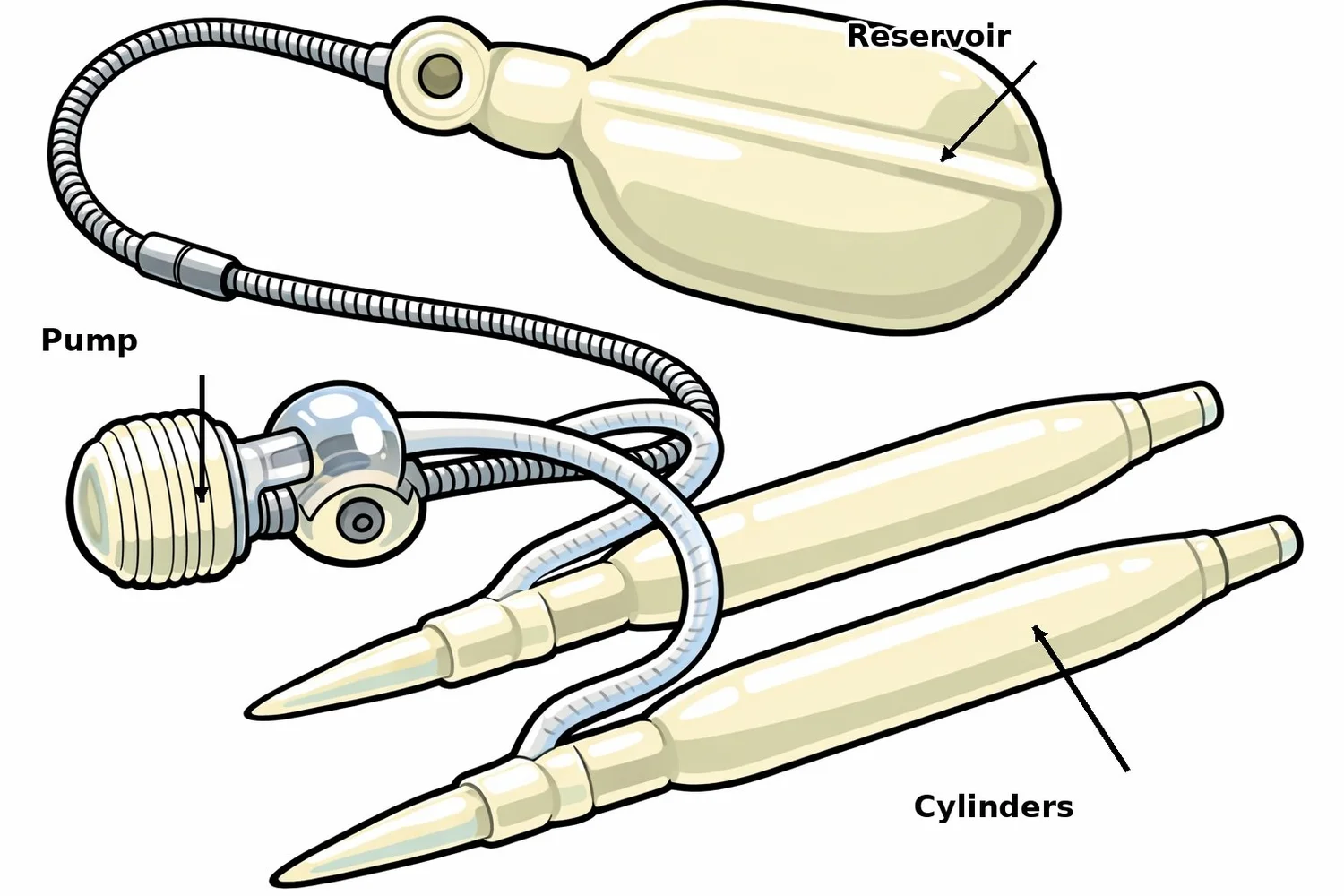
ED, Penile Implants & Peyronie’s
Complex erectile dysfunction, penile deformity, primary prosthetic surgery and revision assessment.
Andrology hub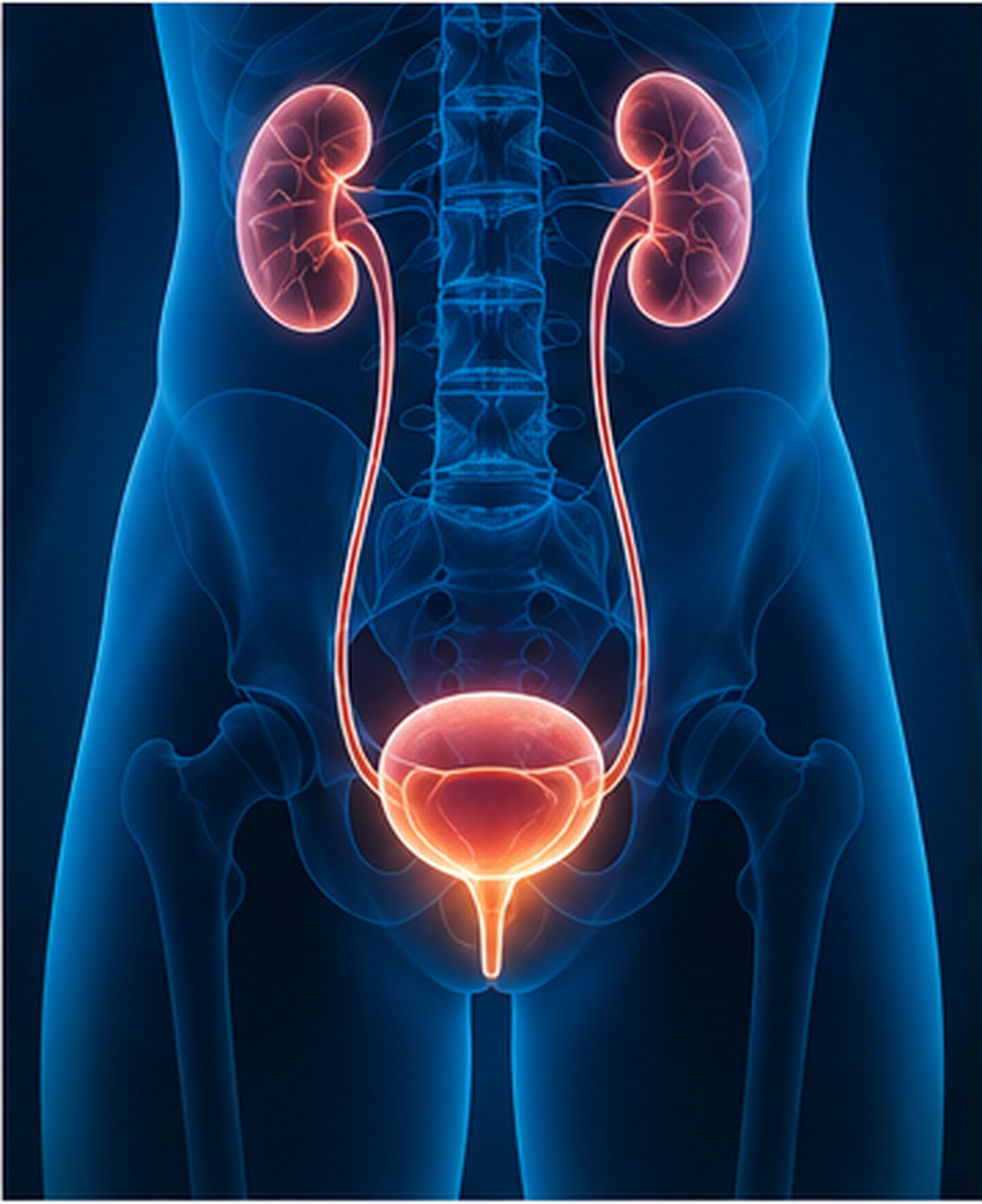
Bladder, Continence & Neuro-Urology
Neurogenic bladder, storage and emptying dysfunction, catheterisation, continence surgery and selected reconstruction.
Bladder & neuro-urology hub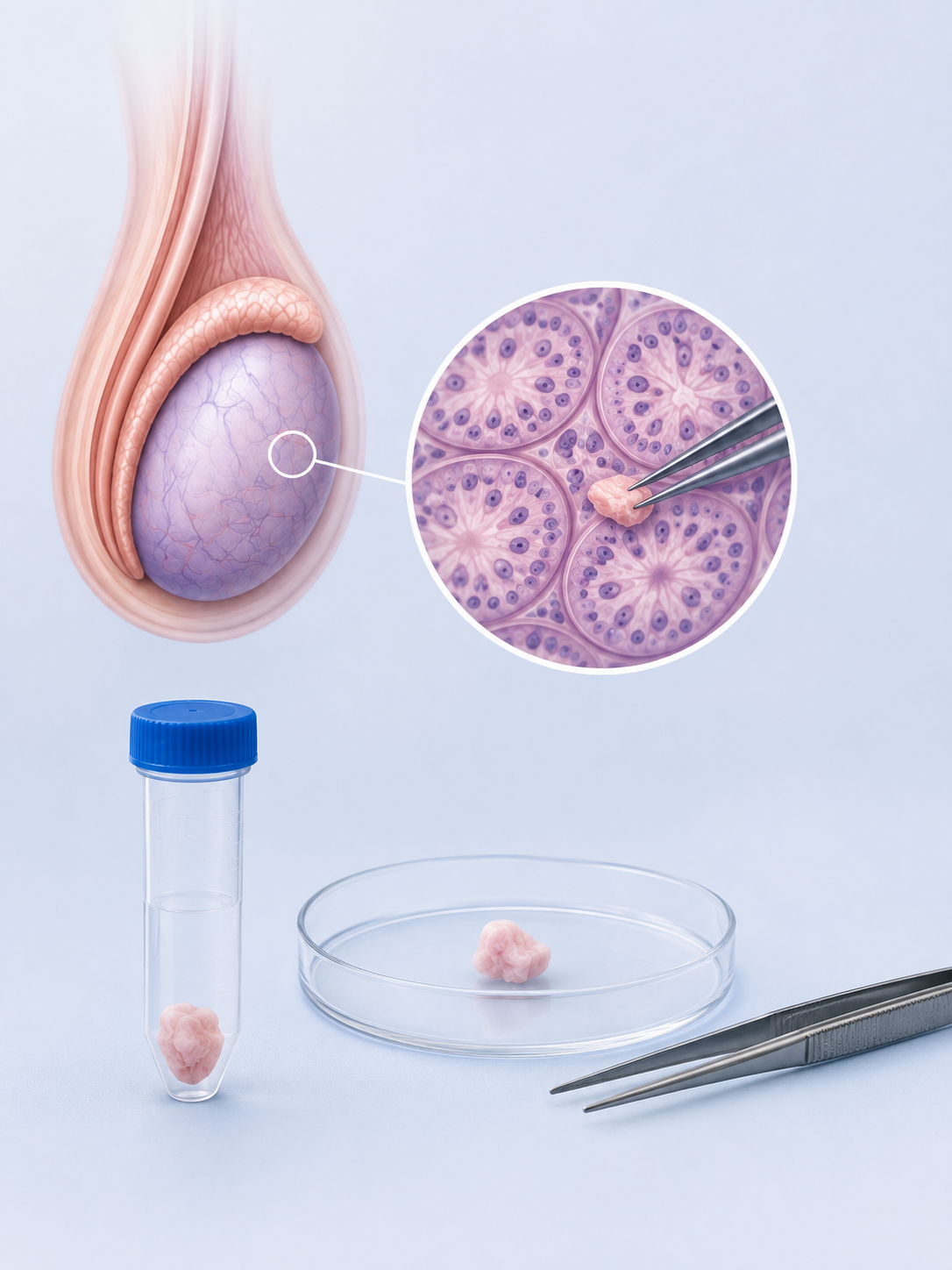
Testicle & Scrotum Problems
Testicular masses, hydrocele, epididymal cysts, paratesticular conditions, undescended testis and prosthesis surgery.
Testicular hub
Penile, Genital & Urinary Reconstruction
Altered anatomy, genital scarring, buried penis, urethral problems, previous surgery and complex revision cases.
Reconstruction hub
Penile & Testicular Cancer
Penile cancer, testicular cancer, organ-preserving considerations, testis-sparing surgery and reconstruction.
Cancer hub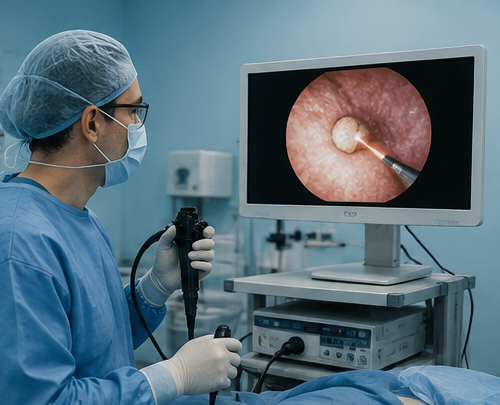
Kidney Stones & Endourology
Renal and ureteric stones, observation, ureteroscopy and laser, SWL, PCNL, complex stone burden and recurrence prevention.
Kidney stone hubGP QUICK GUIDES
Short answers for common GP decisions.
These clinician-oriented resources are designed for rapid review when the question is “what should I do next?” rather than for a full referral-builder workflow.
Abnormal semen analysis: what to do first
Focused history, semen testing, targeted hormones, what not to order routinely and when male assessment should occur earlier.
Read quick guide ENDOCRINE / FERTILITY · GP QUICK GUIDETestosterone in a man who may want children
Fertility considerations before TRT and referral considerations when exogenous testosterone has suppressed spermatogenesis.
Read quick guide SEXUAL MEDICINE · GP QUICK GUIDEErectile dysfunction: initial GP work-up
Medical risk factors, initial assessment, treatment response and situations where specialist review may be useful.
Read quick guideSEARCH CLINICIAN RESOURCES
Looking for a specific referral topic?
Search the clinical library using a diagnosis, symptom, procedure or everyday phrase.
RESOURCES TO SHARE WITH PATIENTS
Useful preparation tools after the referral is made.
These resources can help patients organise existing information and understand terminology before consultation. They do not diagnose or select treatment.
Understand commonly reported semen-analysis parameters.
Open tool → Azoospermia Azoospermia Pathway FinderOrganise information after no sperm are reported.
Open tool → Kidney stones Kidney Stone Treatment ExplorerUnderstand how stone characteristics can affect treatment discussions.
Open tool → Erectile dysfunction ED Treatment PathwayPrepare for an erectile-function assessment.
Open tool → Peyronie’s disease Peyronie’s Treatment ExplorerOrganise curvature, narrowing and erection-quality information.
Open tool → Patient information Patient Information LibraryBrowse condition, procedure and consultation-preparation resources.
Browse library →INTERSTATE & INTERNATIONAL
Referring a patient from outside Brisbane?
Complex reproductive, penile, prosthetic and reconstructive cases may benefit from review of existing investigations and operative information before major travel arrangements are made.
REFERRAL ENQUIRIES
Need to clarify the administrative referral pathway?
For an unusual clinical presentation, the rooms can help clarify the appropriate administrative pathway. Clinical urgency should still be managed through appropriate acute-care pathways.
Expert Specialist Group
- Address
- Specialist Centre, Level 7, Suite 105
69 Nicholson Street
Greenslopes QLD 4120 - Phone
- 07 3495 2887
Southside Urology
- Address
- Suite 7
2 Murrajong Road
Springwood QLD 4127 - Phone
- 07 3106 0379
- Fax
- 07 3036 6621
CLINICAL REFERRAL SUPPORT
You do not need to determine the operation before referring.
Define the clinical question, include the useful information already available and choose the closest referral pathway. Investigation and treatment can then be tailored to the individual presentation.
These clinician resources provide general referral support and educational information only. They do not replace clinical judgement, individual patient assessment, local referral criteria or appropriate emergency care.