Vasectomy Reversal
Microsurgical vasectomy reversal to restore fertility
A vasectomy does not necessarily mean your fertility options are closed.
Microsurgical vasectomy reversal can restore the sperm pathway and may allow natural conception. The best approach depends on the time since vasectomy, your fertility and your partner’s reproductive circumstances.
✓ Microsurgical vasectomy reversal
✓ Vasovasostomy & epididymovasostomy expertise
✓ Couple-focused fertility planning
✓ Reversal vs sperm retrieval + IVF/ICSI
✓ Australian & international patients

Can a vasectomy be reversed?
In many men, yes.
Vasectomy reversal reconnects the vas deferens—the tubes divided during vasectomy—using microsurgical techniques.
The aim is to allow sperm to return to the ejaculate and potentially restore natural fertility.
Success depends on factors including:
time since vasectomy
the condition of the vas deferens and epididymis
whether epididymal blockage has developed
male fertility factors
your partner’s age and fertility
There is no single number of years after which vasectomy reversal becomes impossible.
Vasovasostomy or epididymovasostomy?
-
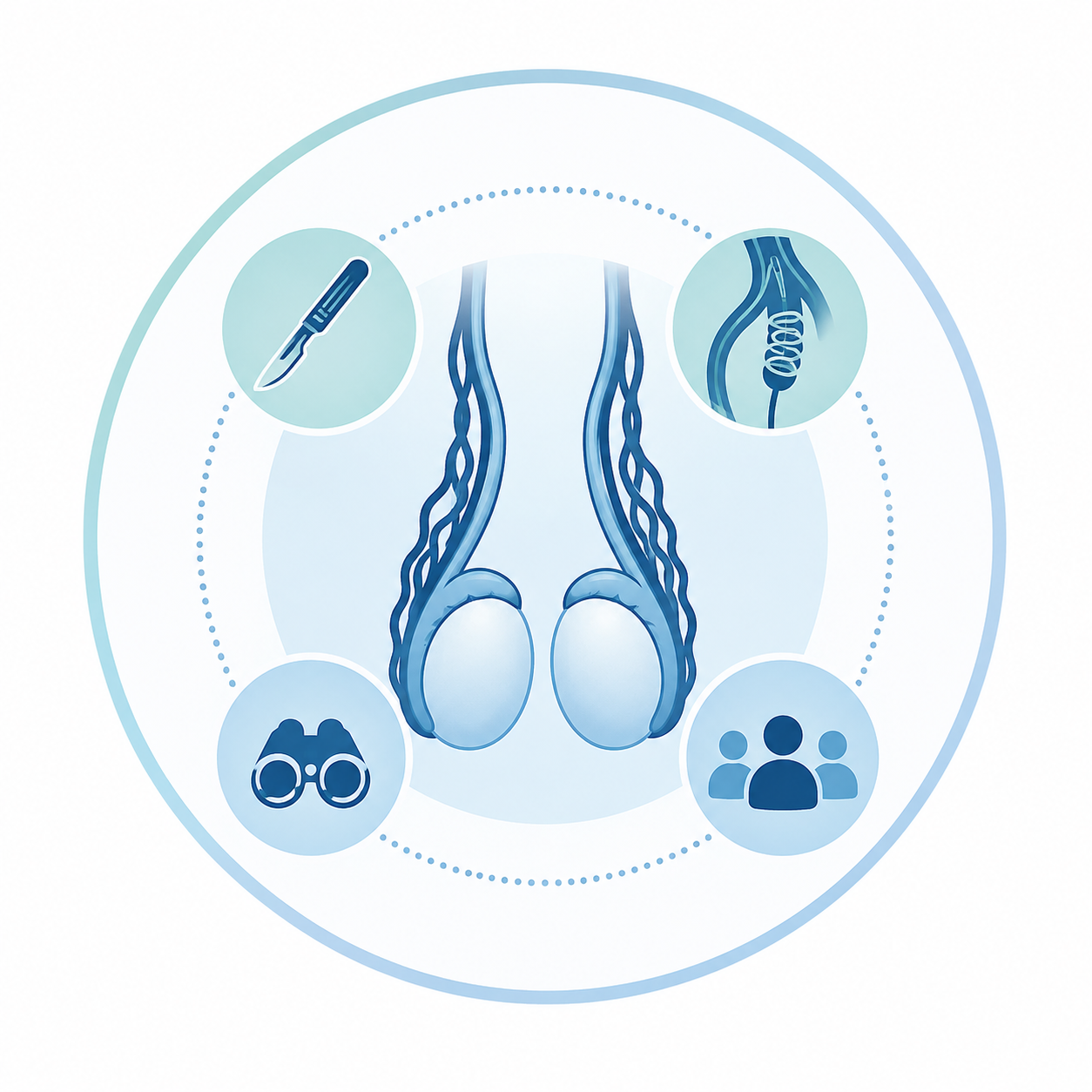
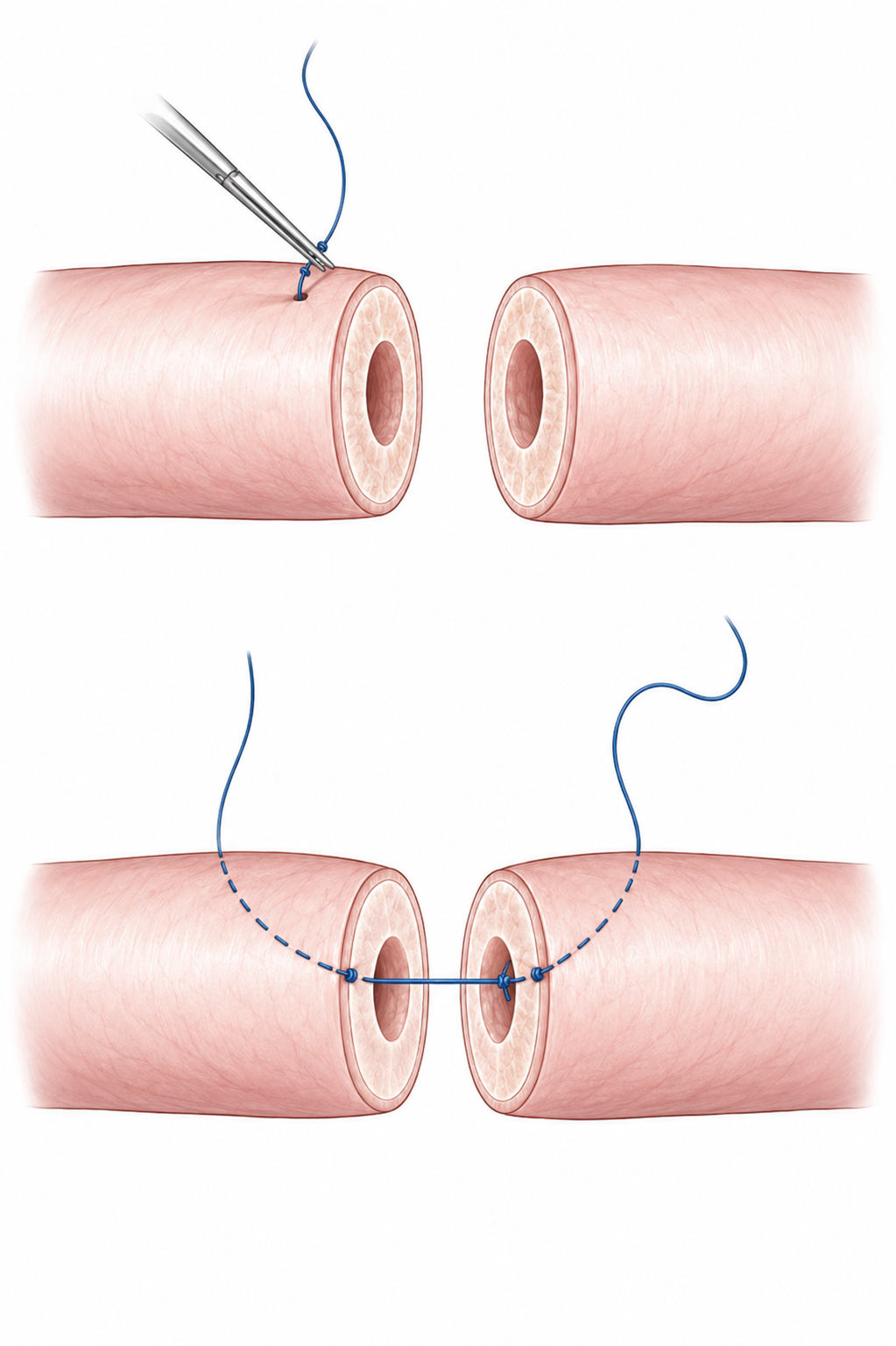
A vasovasostomy reconnects the two divided ends of the vas deferens.
-
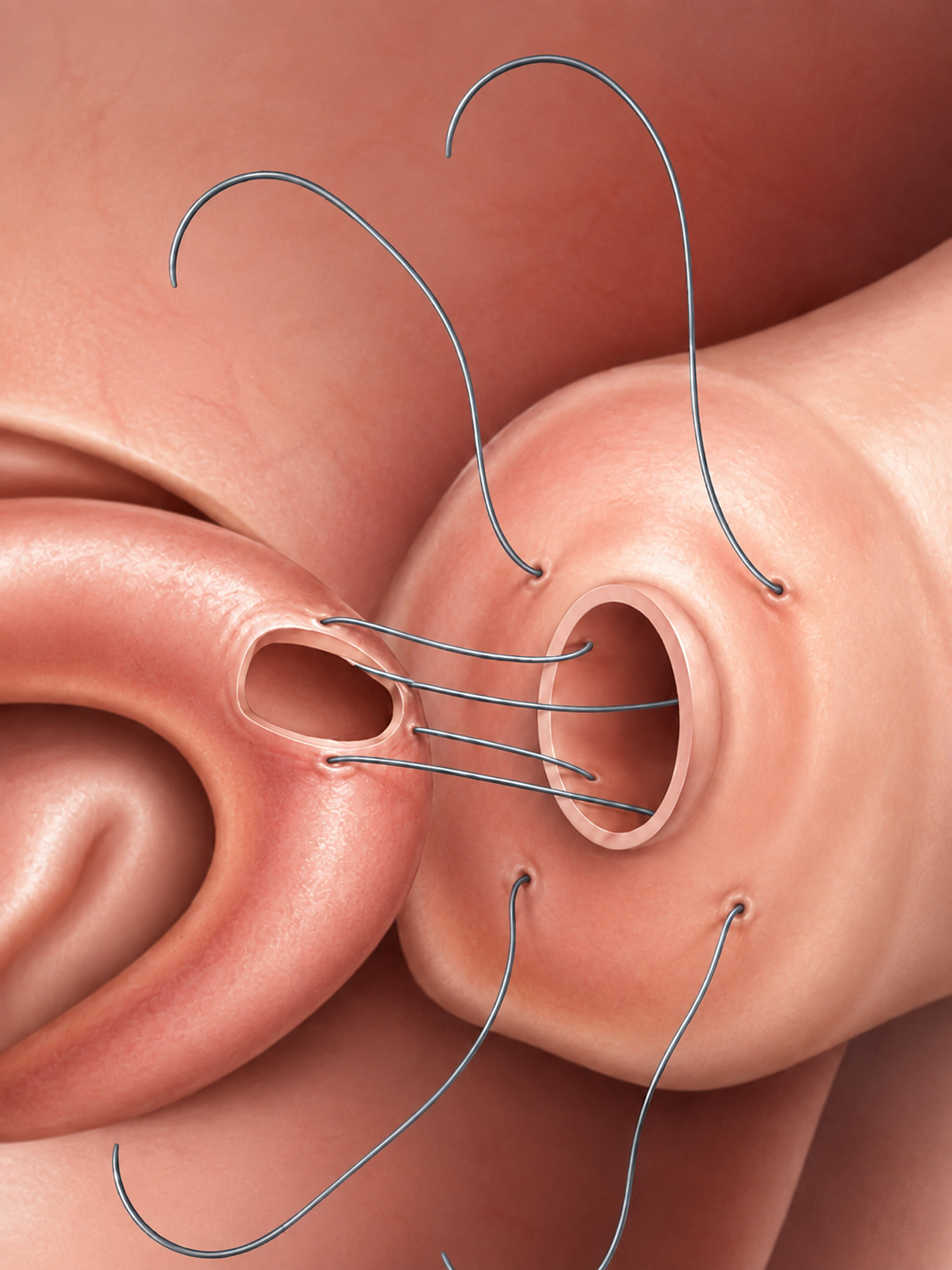
If a second blockage has developed within the epididymis, a more complex epididymovasostomy may be required. The final decision may only become clear during surgery after the fluid from the vas deferens is assessed.
Your Vasectomy Reversal Journey
-
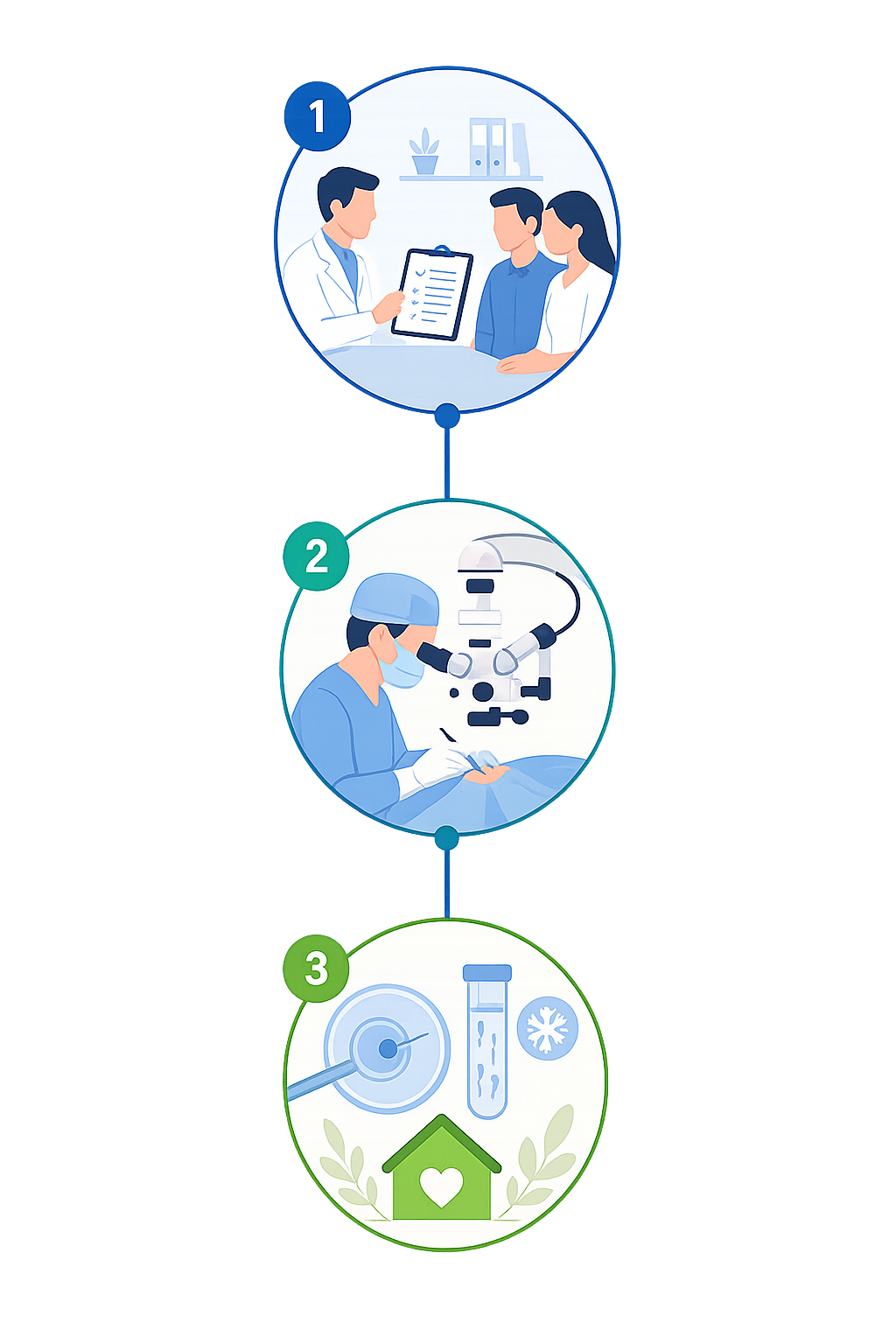
We review your vasectomy history, previous fertility, medical and surgical history, reproductive goals and your partner’s fertility.
Considering both partners helps determine whether vasectomy reversal or sperm retrieval with IVF/ICSI offers the most appropriate pathway.
-
We compare:
Vasectomy reversal → opportunity for natural conception
versus
Sperm retrieval → IVF/ICSI
This allows you to make an informed decision based on your fertility goals, timeline and circumstances as a couple.
-
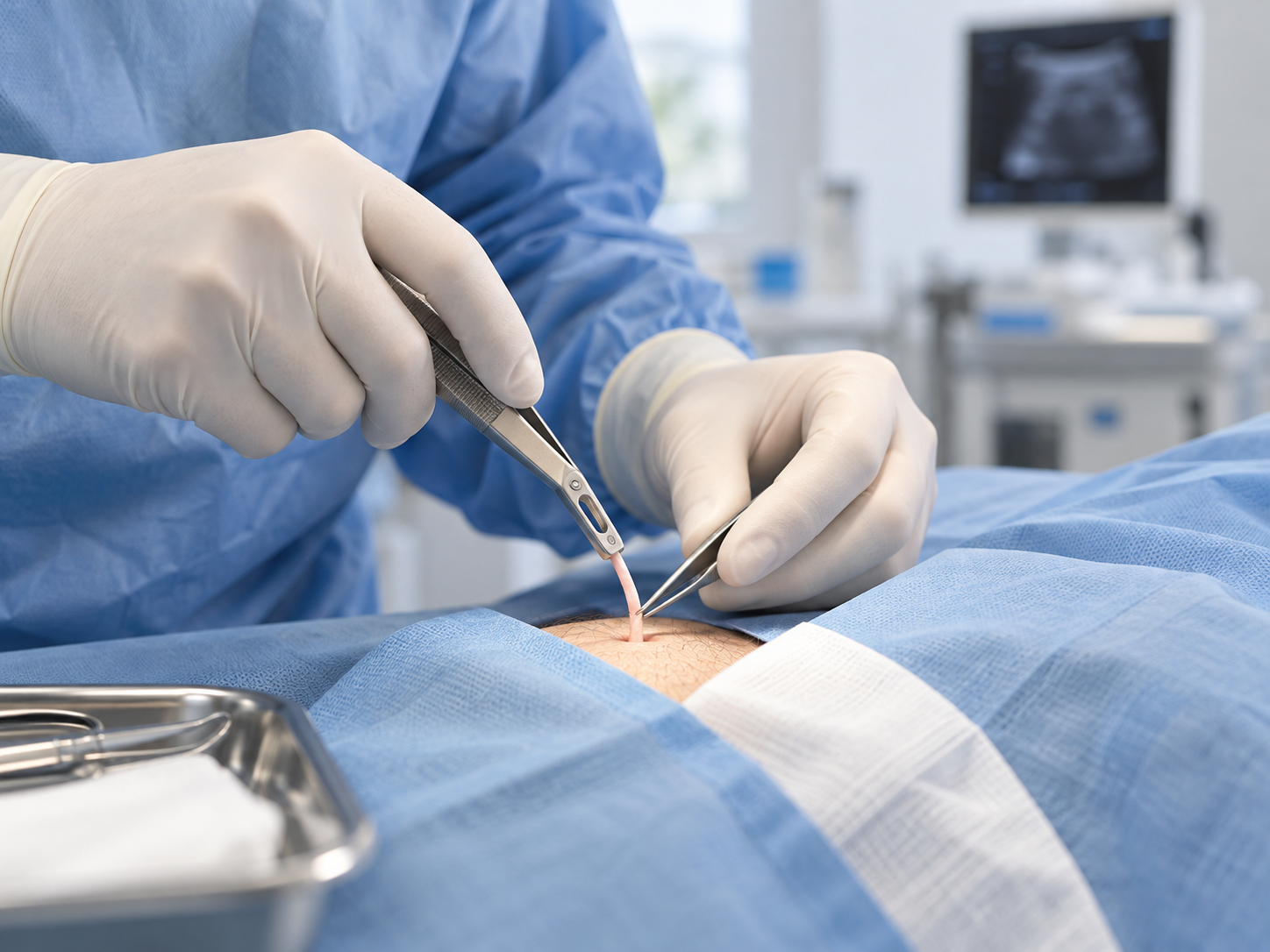
Using microsurgical magnification, the sperm pathway is assessed and reconstructed with either a vasovasostomy or epididymovasostomy, depending on the findings during surgery.
-
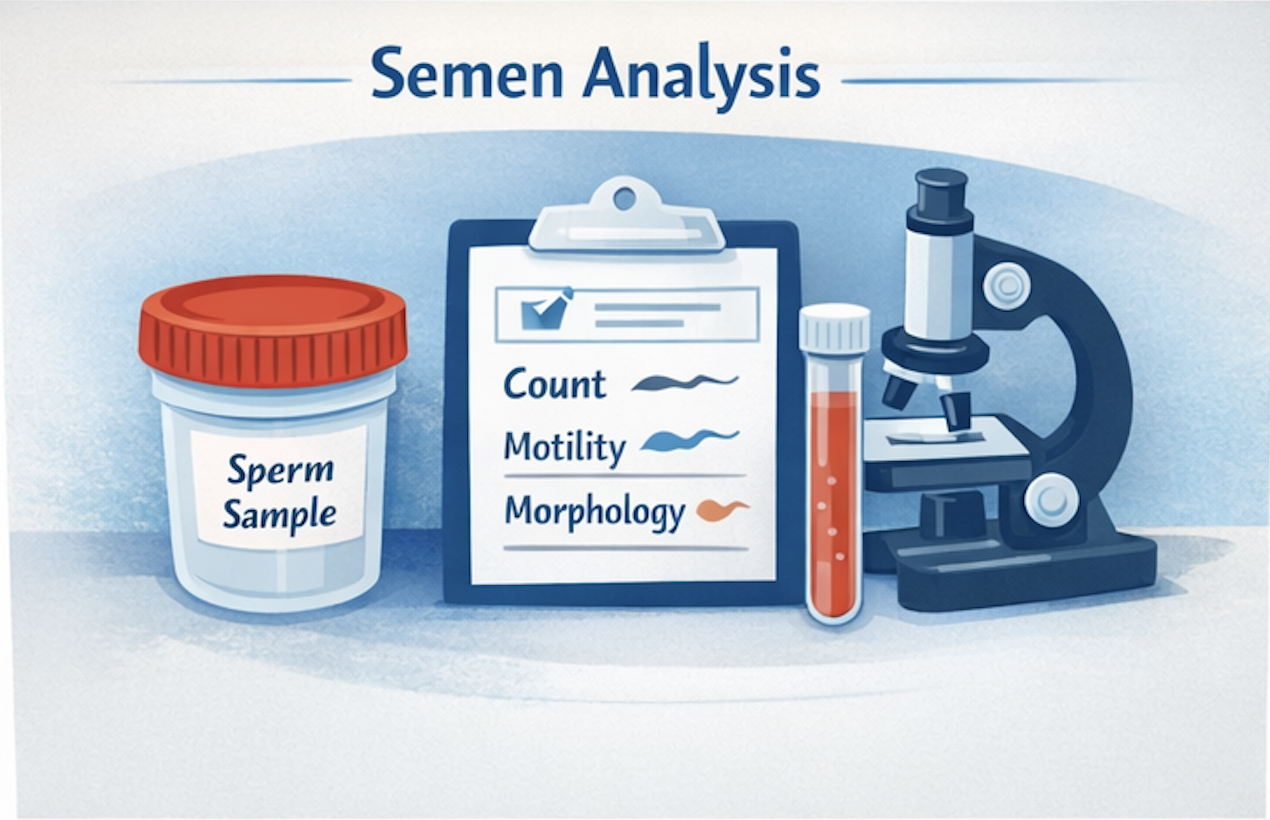
Most patients return home after surgery. Follow-up semen analyses determine whether sperm have returned to the ejaculate. Recovery of sperm may occur within several months, although epididymal reconstruction can take longer.
-
Once sperm return, we review your results alongside your pregnancy plans. If sperm do not return as expected, options may include further observation, repeat reconstruction, sperm retrieval or IVF/ICSI.

Vasectomy Reversal or
IVF
Vasectomy Reversal or IVF/ICSI?
After vasectomy, there are two main fertility pathways:
-
Reconnects the reproductive tract so sperm may return to the semen, allowing the possibility of natural conception.
It may suit couples who:
have good female fertility potential
want more than one child
prefer natural conception
hope to avoid IVF where possible
-
Sperm can be retrieved from the testicle or epididymis and used with IVF/ICSI.
This may be preferable when:
female fertility or ovarian reserve makes time important
IVF is already required
reversal is unlikely to succeed
assisted reproduction is preferred
The best option depends on both partners, including female ovarian reserve and your family goals. There is no single right choice for every couple.
Why Choose Dr Jack Crozier


Frequently Asked Questions
-
Yes. There is no fixed number of years after which vasectomy reversal becomes impossible.
The longer interval may affect the type of reconstruction required, but your partner’s fertility and reproductive timeframe are also important when choosing between reversal and IVF.
-
There are two different measures of success:
Patency means sperm return to the semen.
Pregnancy means you subsequently conceive.Published EAU guideline data report patency rates of approximately 90–97% and pregnancy rates of 52–73%, but your individual chance depends on several factors.
-
It depends on you as a couple.
Reversal may suit couples wanting natural conception or more than one child. Sperm retrieval with IVF/ICSI may be preferable when your partner’s fertility means time is particularly important.
The aim is not simply to reverse the vasectomy—it is to choose the best route to pregnancy.
-
You still have options.
Depending on the reason for failure, these may include further observation, repeat microsurgical reconstruction or sperm retrieval with IVF/ICSI.
A failed reversal does not automatically mean you cannot have a biological child.
-
Not necessarily.
After vasectomy, sperm production may continue even though sperm cannot reach the semen. If sperm do not appear after reversal, the reconstructed pathway may still be blocked or may have narrowed again.
The next step is to work out why, rather than assume sperm production has stopped.
-
Sometimes.
Sperm can potentially be retrieved and frozen during surgery for future IVF/ICSI if required. This may be worth considering in selected cases but is not necessary for everyone.
-
Successful reversal restores a pathway for sperm—it cannot guarantee pregnancy.
If pregnancy does not occur, we can review your semen results alongside your partner’s fertility and decide whether to continue trying naturally or consider fertility treatment.
Both partners matter when planning fertility treatment.
-
Vasectomy reversal is performed on the vas deferens, not the structures responsible for erections or testosterone production.
It is completely reasonable to ask about sexual function, ejaculation and when you can safely resume sex after surgery.
-
Yes. Much of the initial planning may be possible before you travel.
Your history, previous vasectomy details and relevant fertility information can be reviewed first so that the likely treatment pathway, surgery and follow-up can be planned as efficiently as possible.
Explore More About Male Fertility