MicroTESE for Azoospermia
A zero sperm count does not always mean sperm are absent from the testicle. MicroTESE uses an operating microscope to search for small areas of sperm production that may be suitable for IVF with ICSI.
Specialist assessment is important before surgery because not every man with azoospermia needs microTESE.
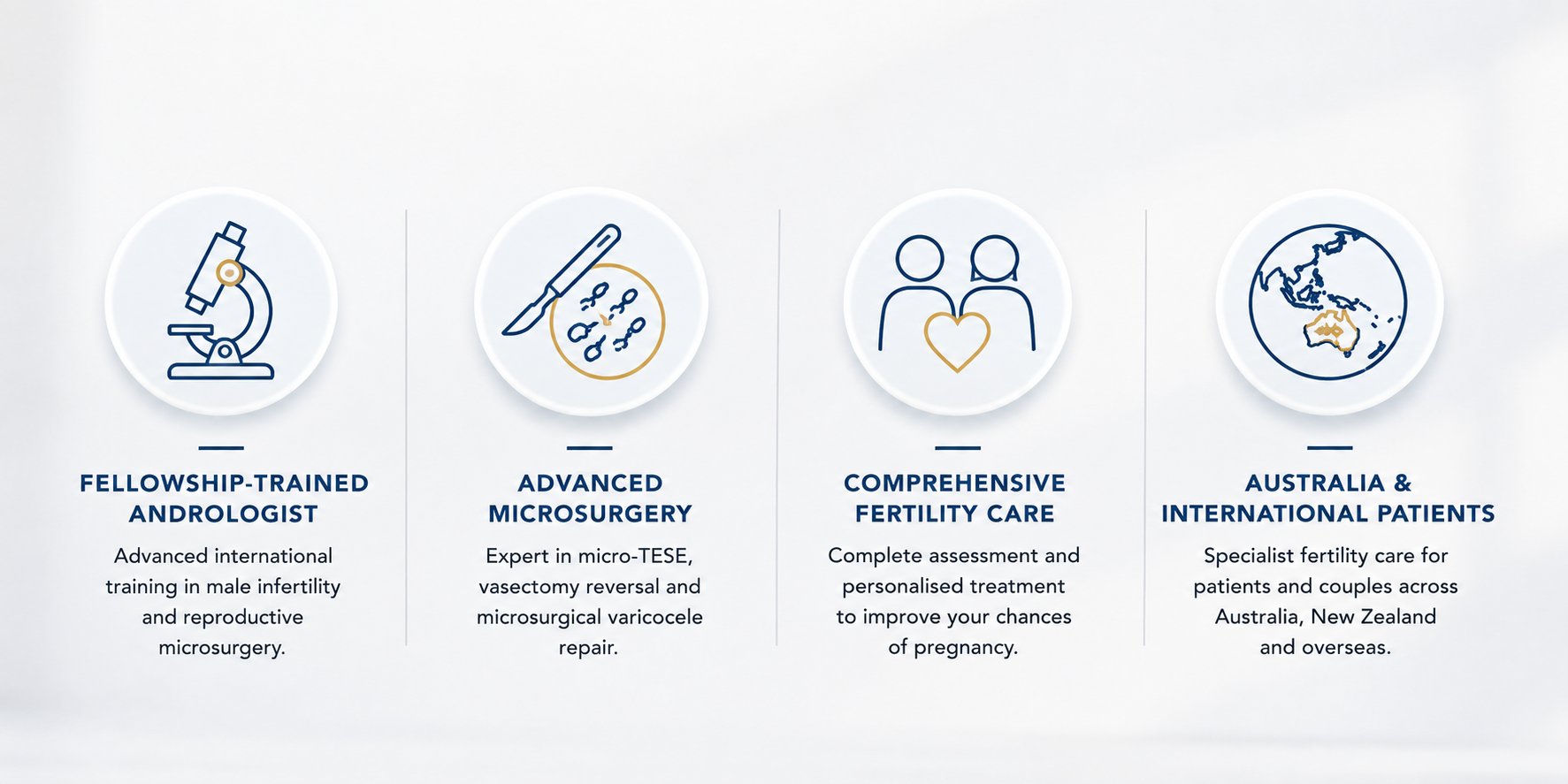
✓ Fellowship-trained andrologist
✓ FRACS-qualified urological surgeon
✓ Microsurgical male fertility expertise
✓ Care coordinated with your fertility and IVF team

What is microTESE?
MicroTESE stands for microdissection testicular sperm extraction.
In non-obstructive azoospermia, sperm production may occur only in tiny isolated areas of the testicle.
During surgery, an operating microscope is used to identify seminiferous tubules that appear more likely to contain sperm. Small samples are then examined by the fertility laboratory.
The aim is to maximise the chance of finding sperm while minimising unnecessary removal of testicular tissue.

Who may benefit from microTESE?
MicroTESE is mainly considered for men with non-obstructive azoospermia, including azoospermia associated with:
unexplained testicular failure
previous undescended testes
Klinefelter syndrome
some genetic abnormalities
previous chemotherapy or testicular injury
maturation arrest
Sertoli-cell-only patterns
previous unsuccessful sperm retrieval
MicroTESE is usually not required for obstructive azoospermia, where sperm production is normal but sperm are prevented from reaching the ejaculate.
Your MicroTESE Patient Journey
-
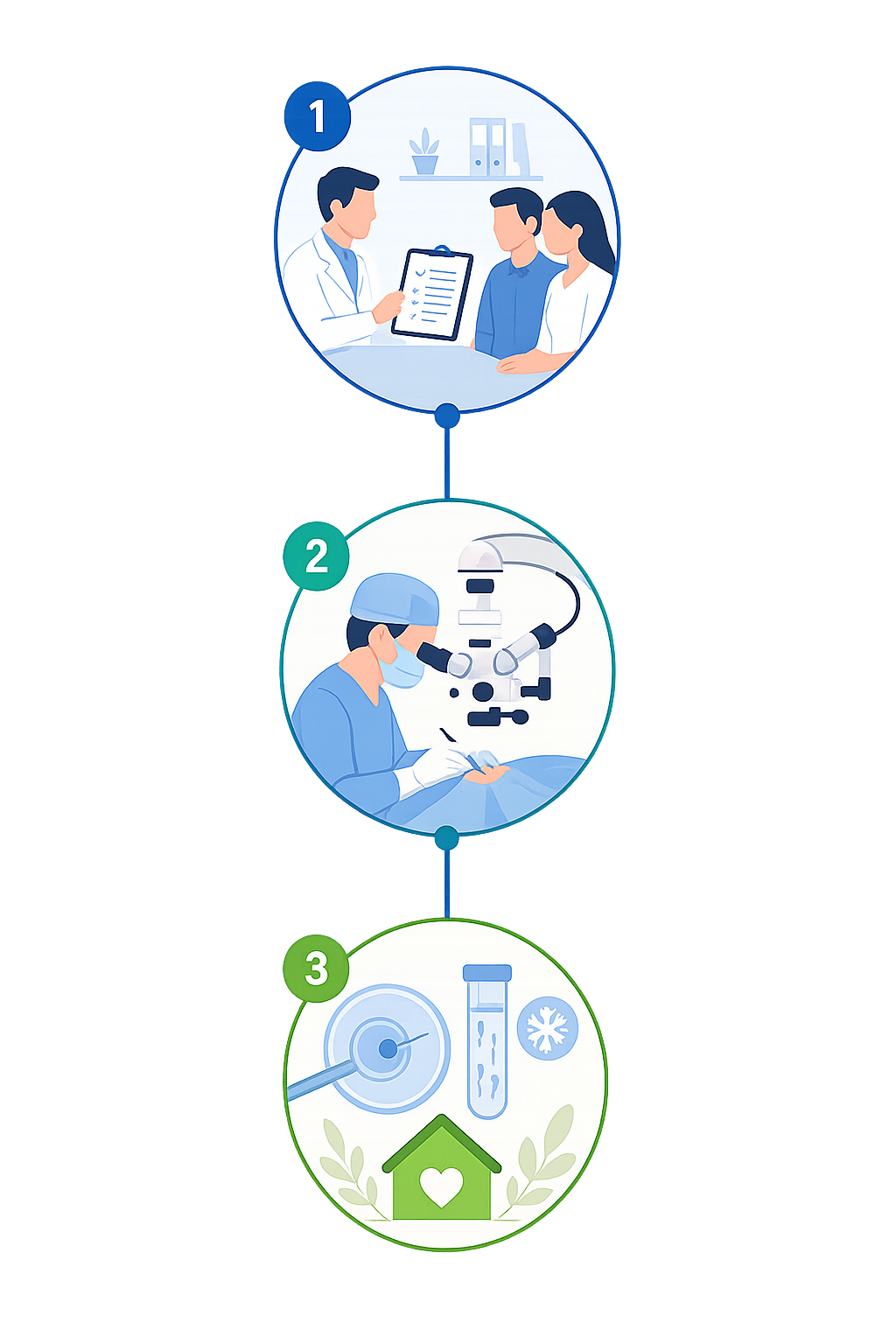
We review your semen analyses, hormone results, medical history and previous fertility treatment to determine whether you have non-obstructive azoospermia and whether microTESE is appropriate.
-
This may include repeat semen testing, reproductive hormones and selected genetic investigations such as karyotype or Y-chromosome microdeletion testing.
-
The timing of microTESE is coordinated with your fertility specialist and embryology laboratory, including whether sperm should be retrieved and frozen in advance or around the time of egg collection.
-
Using an operating microscope, small areas of the testicle are carefully examined for tubules most likely to contain sperm. Samples are assessed by the fertility laboratory during the procedure.
-
If sperm are identified, they may be used with ICSI or frozen for future treatment.
-
Most patients return home the same day. Follow-up includes recovery guidance, review of the surgical result and planning the next stage of fertility treatment.
MicroTESE vs TESE vs TESA
For men with non-obstructive azoospermia, microTESE provides the most targeted approach.
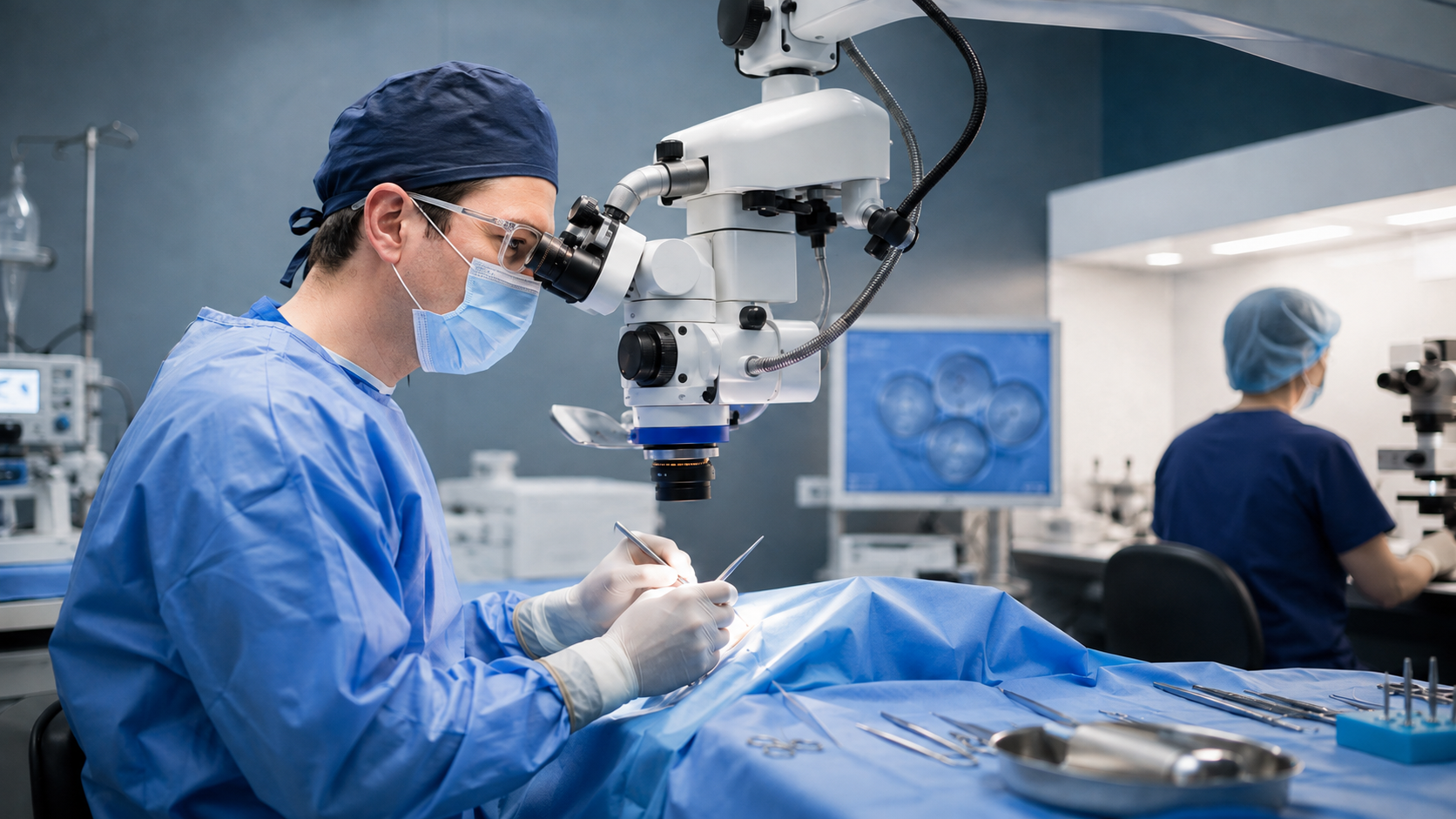
Microsurgical search using an operating microscope. Preferred for non-obstructive azoospermia.
MicroTESE
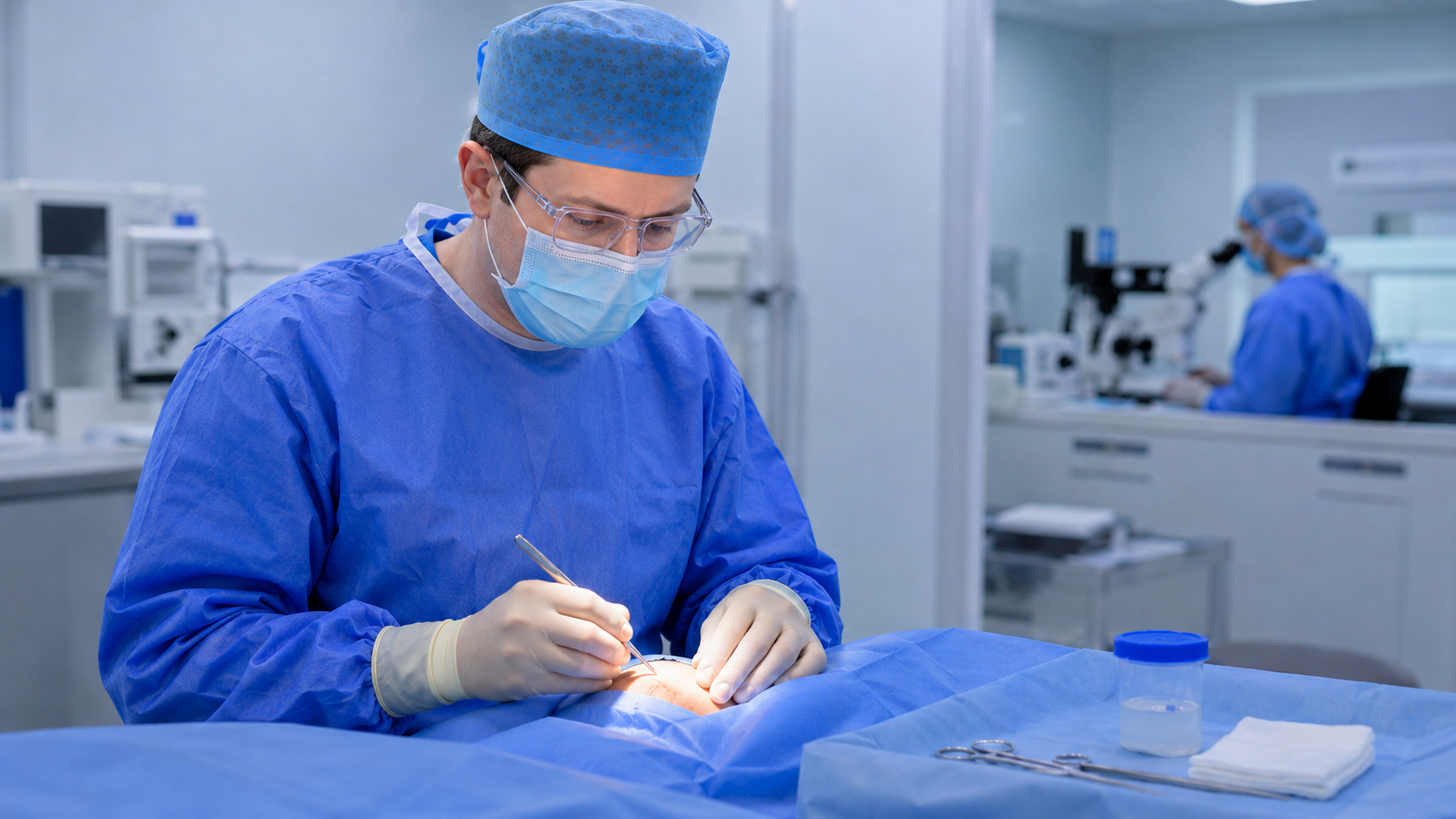
Testicular tissue is sampled without microscopic selection.
TESE
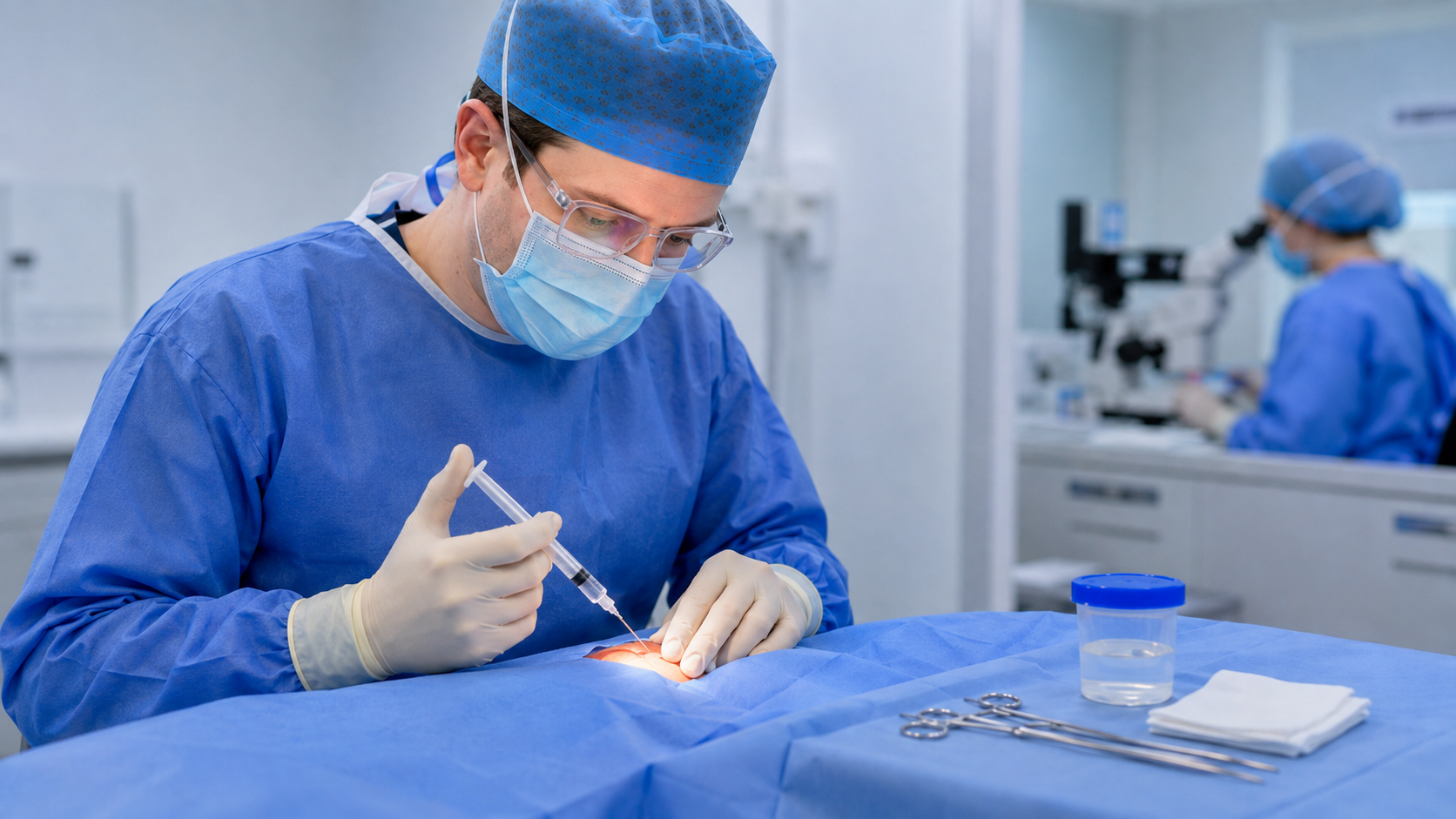
Needle aspiration of testicular tissue, more commonly used in selected obstructive cases.
TESA
MicroTESE Outcomes

-
In men with non-obstructive azoospermia, published sperm retrieval rates vary considerably. Pooled data cited in the AUA/ASRM guideline report sperm retrieval in approximately 40% of men undergoing microTESE. Your individual chance may be higher or lower depending on the underlying cause of azoospermia, genetics and other clinical factors. Finding sperm does not guarantee fertilisation, pregnancy or live birth.
-
No. A high FSH may indicate impaired sperm production, but it cannot reliably determine whether small areas of sperm production remain within the testicle. FSH should therefore not be used alone to predict whether sperm will be found.
-
Although sperm are usually absent from the ejaculate, small areas of sperm production may remain within the testicle. Published studies show that sperm can be retrieved in a substantial proportion of appropriately selected men with Klinefelter syndrome.
-
If no sperm are found, the next step is to review the surgical findings, laboratory results, genetics, hormones and underlying cause of azoospermia.
Depending on your circumstances, options may include:
salvage or repeat microTESE in carefully selected men
treatment of a specific reversible hormonal cause
donor sperm with IUI or IVF
freezing retrieved eggs while considering the next step
other family-building options, including donor embryos or adoption
For some men, further sperm retrieval may be very unlikely to succeed. If this is the case, it is important to discuss this openly and develop a clear plan rather than repeatedly undergoing surgery with little expected benefit.
A failed microTESE does not necessarily prove that there is no sperm anywhere in the testicle, but it can significantly change the likelihood of finding sperm in the future.

Specialist MicroTESE assessment in Brisbane
Dr Jack Crozier provides specialist assessment and microsurgical management of men with azoospermia, non-obstructive azoospermia and complex male infertility, with treatment coordinated where appropriate with the couple's IVF specialist and embryology laboratory.
Patients can be assessed from Brisbane, Queensland, interstate or overseas, with investigations reviewed before treatment planning where practical.
If you have been told that your sperm count is zero, a specialist assessment can help determine why azoospermia has occurred, whether microTESE is appropriate and what your realistic options are.
Why Choose Dr Jack Crozier


Frequently Asked Questions
-
Sometimes. MicroTESE examines the testicle under magnification and may identify small areas of sperm production missed by previous conventional TESE or TESA procedures. Previous surgery and its findings should be reviewed before deciding whether another retrieval is worthwhile.
-
Often, yes. Genetic testing is an important part of assessing non-obstructive azoospermia and can sometimes identify the cause, influence the likelihood of sperm retrieval or identify information relevant to future children.
-
Yes. For example, men with complete AZFa or AZFb Y-chromosome microdeletions should not undergo surgical sperm retrieval because sperm retrieval is not expected. Other genetic findings have very different implications, which is why testing before surgery matters.
-
Potentially. These biopsy findings can influence the likelihood of finding sperm but do not always provide a definitive answer by themselves. Your previous pathology should be interpreted alongside your genetics, hormones, examination and previous sperm retrieval procedures.
-
Not routinely. Hormonal treatment is important for particular causes of infertility, such as hypogonadotropic hypogonadism, but routine hormonal stimulation before sperm retrieval in men with non-obstructive azoospermia is not currently recommended outside clinical trials.
-
External testosterone can suppress sperm production and should be discussed during your fertility assessment. If you use testosterone replacement therapy or anabolic steroids, tell your specialist before planning sperm retrieval. Do not stop prescribed medication without discussing it with your treating doctor.
-
This is an understandable concern because men with non-obstructive azoospermia may already have reduced testicular function. MicroTESE is designed to minimise the amount of testicular tissue removed, but your testosterone level and hormonal health should still be considered before and after surgery where appropriate.
-
MicroTESE operates on the testicle rather than the structures responsible for erections or ejaculation. It is not intended to change erectile function, orgasm or ejaculation, although discomfort during the early recovery period may temporarily affect sexual activity.
-
Bruising, swelling or tenderness can occur initially. MicroTESE aims to retrieve sperm while removing as little testicular tissue as practical, reducing unnecessary disruption to the testicle.
-
Potentially, yes. One of the advantages of IVF with ICSI is that very small numbers of viable sperm may be sufficient for treatment. Whether retrieved sperm can be used or frozen depends on their number, quality and the fertility laboratory.
-
Often, sperm suitable for ICSI can be cryopreserved for future treatment. Whether freezing is appropriate depends on the number and quality of sperm retrieved and should be planned with the IVF laboratory.
-
Sometimes. Certain genetic causes of azoospermia can be inherited. For example, some Y-chromosome microdeletions can be passed from father to son through ICSI. Genetic testing and counselling can help you understand whether this applies to you.
-
Usually there is not one thing you did wrong. Non-obstructive azoospermia can result from genetic, hormonal, developmental, medical or treatment-related causes, and sometimes no clear cause is identified. A proper assessment is more useful than trying to attribute blame.
-
It is worth discussing this privately before treatment. Some couples want to consider options such as freezing eggs or using donor sperm, while others prefer not to. There is no single correct choice — the important thing is that you and your partner understand the possibilities before treatment begins.
Explore More About Male Fertility