

Epididymal Obstruction & Epididymovasostomy
A blockage within the epididymis can prevent sperm from reaching the ejaculate even when sperm production within the testicle is relatively preserved.
In selected men, microsurgical epididymovasostomy — also called vasoepididymostomy — can bypass the blockage and reconnect the vas deferens directly to the epididymis.
What is epididymal obstruction?
The epididymis is a small, tightly coiled tube attached to the testicle. Sperm pass through it after leaving the testicle before entering the vas deferens.
If the epididymal tubules become blocked, sperm cannot pass normally into the vas deferens. When the obstruction affects both sides completely, the result may be obstructive azoospermia — no sperm detected in the ejaculate despite ongoing sperm production.
Epididymal obstruction can be congenital or acquired. It may occur after inflammation, previous surgery or longstanding vasal obstruction such as vasectomy.
In pure epididymal obstruction, sperm may still be produced within the testicle. Treatment therefore focuses on either reconstructing the sperm pathway or retrieving sperm for assisted reproduction.
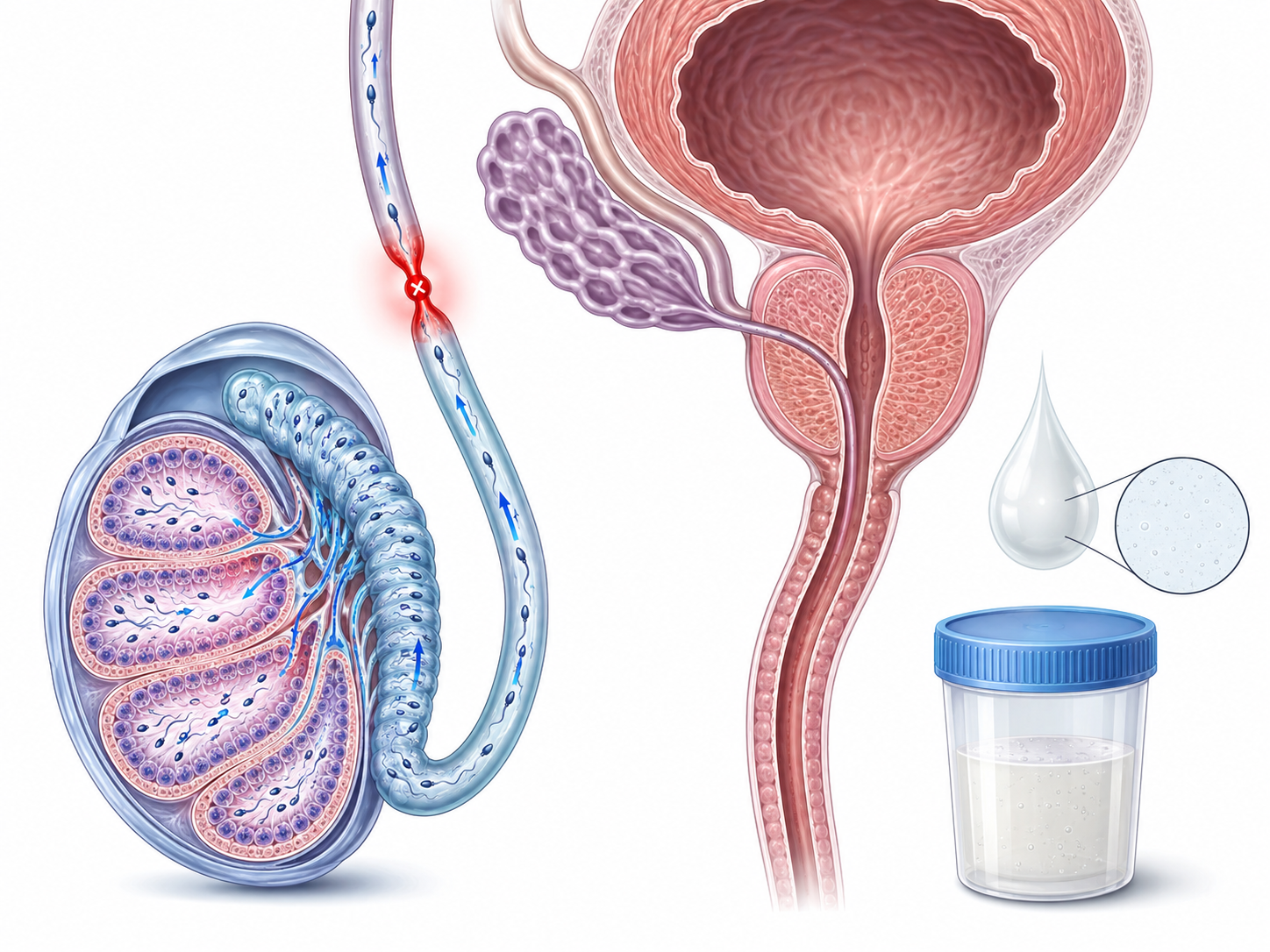
Where is the blockage?
Localising the obstruction is important because different blockages require different operations.
Testicle
Sperm are produced within the seminiferous tubules.
Epididymis
Sperm mature and pass through a network of small epididymal tubules.
Vas deferens
The vas carries sperm from the epididymis toward the prostate.
Ejaculatory ducts
The reproductive tract ultimately joins the urethra within the prostate.
Causes of epididymal obstruction
Several conditions can cause scarring or blockage within the epididymis. In some men, the exact cause remains uncertain.
Previous vasectomy
After vasectomy, sperm continue to be produced upstream from the divided vas deferens.
Over time, some men develop a second blockage within the epididymis. This can mean that epididymovasostomy rather than simple vasovasostomy is required during reversal.
Previous infection or inflammation
Epididymitis and other inflammatory processes can result in scarring within the fine epididymal tubules.
A previous episode may have occurred many years before fertility is assessed.
Previous scrotal surgery
Surgery involving the epididymis or nearby structures can occasionally disrupt or scar the sperm pathway.
Previous operative reports may therefore be useful during assessment.
Congenital obstruction
Some men are born with developmental abnormalities affecting the epididymis, vas deferens or both.
Associated vasal abnormalities may prompt consideration of genetic testing.
Trauma
Previous scrotal or reproductive tract injury can occasionally produce scarring or interruption of the sperm pathway.
Idiopathic obstruction
Sometimes the clinical pattern is consistent with epididymal obstruction even though a clear previous infection, injury or operation cannot be identified.

How is epididymal obstruction diagnosed?
There is no single blood test or scan that confirms epididymal obstruction in every man.
The diagnosis is usually built from several pieces of information:
- repeated semen analysis confirming azoospermia or severe sperm abnormality
- previous fertility and reproductive history
- history of vasectomy, infection, trauma or previous surgery
- testicular size and consistency
- examination of the epididymis
- whether the vas deferens can be palpated
- reproductive hormones including FSH and testosterone
- targeted genetic testing or imaging when appropriate
Relatively preserved testicular volume and reproductive hormones can support the possibility of obstructive azoospermia, but these findings must be interpreted with the semen analysis, examination and clinical history.
What can suggest an epididymal blockage?
Azoospermia with preserved testicular function
A man with azoospermia, relatively normal-sized testes and reproductive hormones that do not strongly suggest primary testicular failure may have an obstructive cause.
Enlarged or abnormal epididymis
The epididymis may feel enlarged, firm or irregular when sperm and fluid accumulate upstream from an obstruction.
Previous vasectomy or inflammation
A clear history of vasectomy, epididymitis or previous scrotal surgery can make epididymal obstruction more likely.
What is an epididymovasostomy?
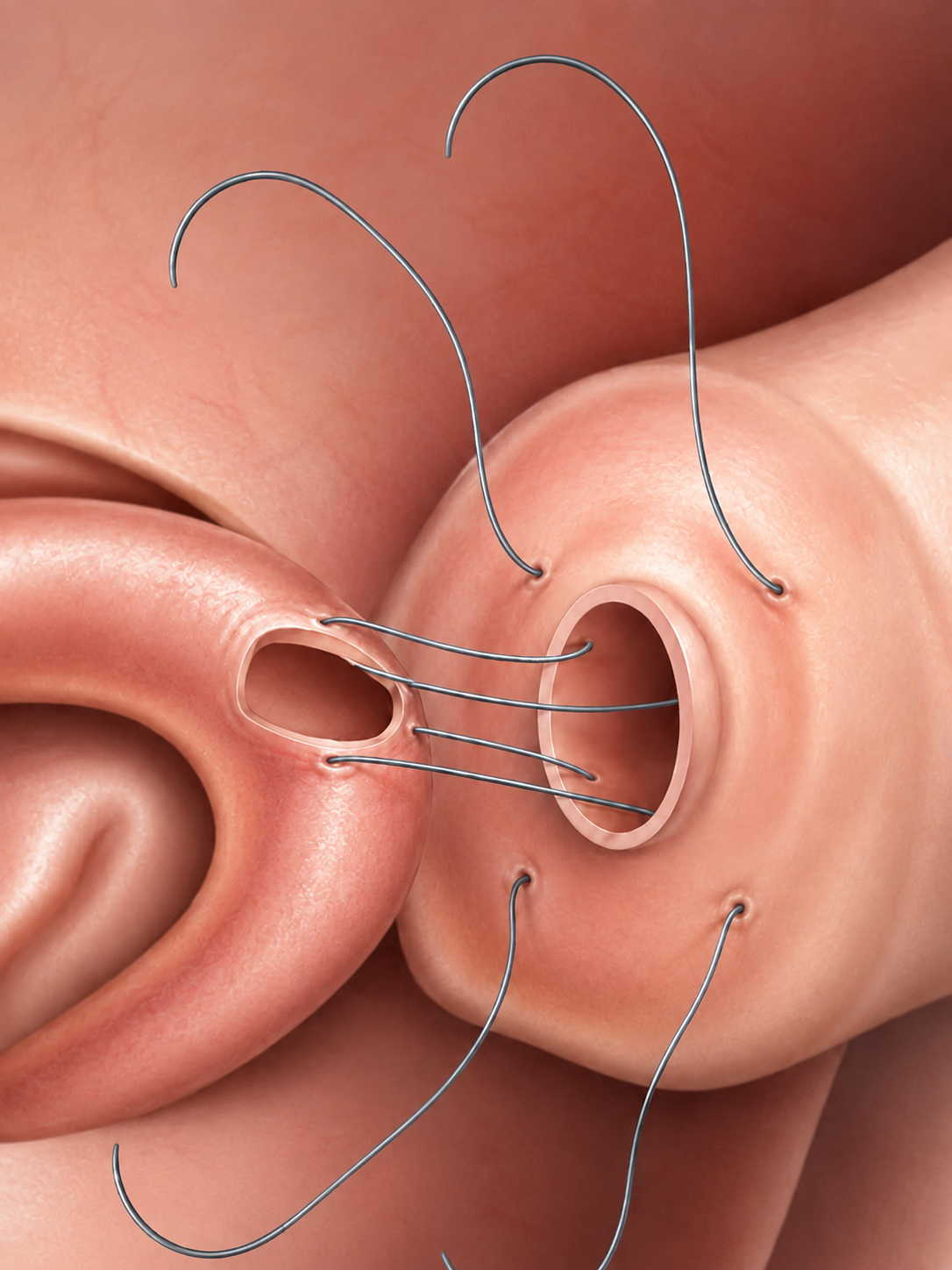
Epididymovasostomy is a microsurgical operation that connects the vas deferens directly to a small epididymal tubule above the level of obstruction.
It is also commonly called vasoepididymostomy.
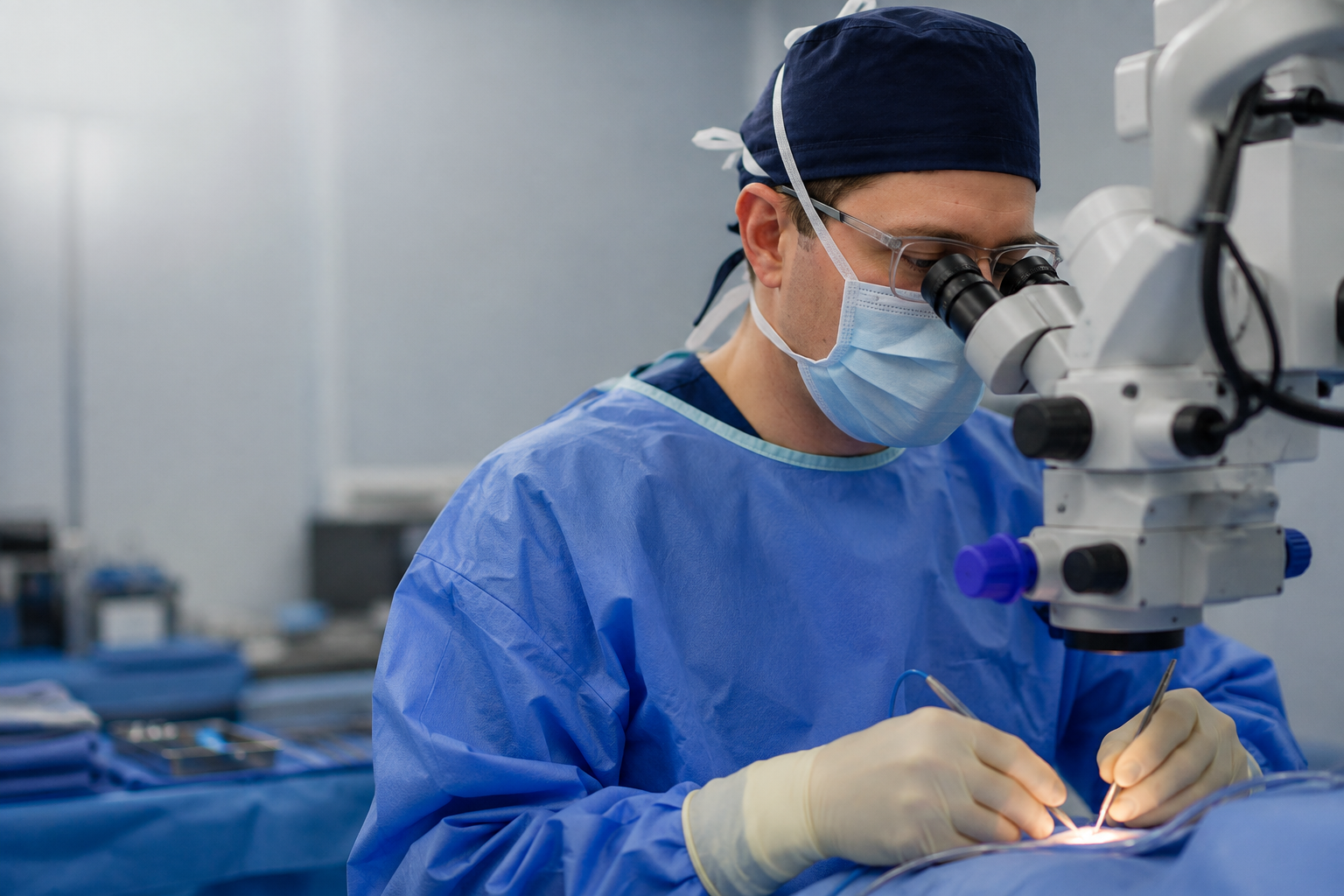
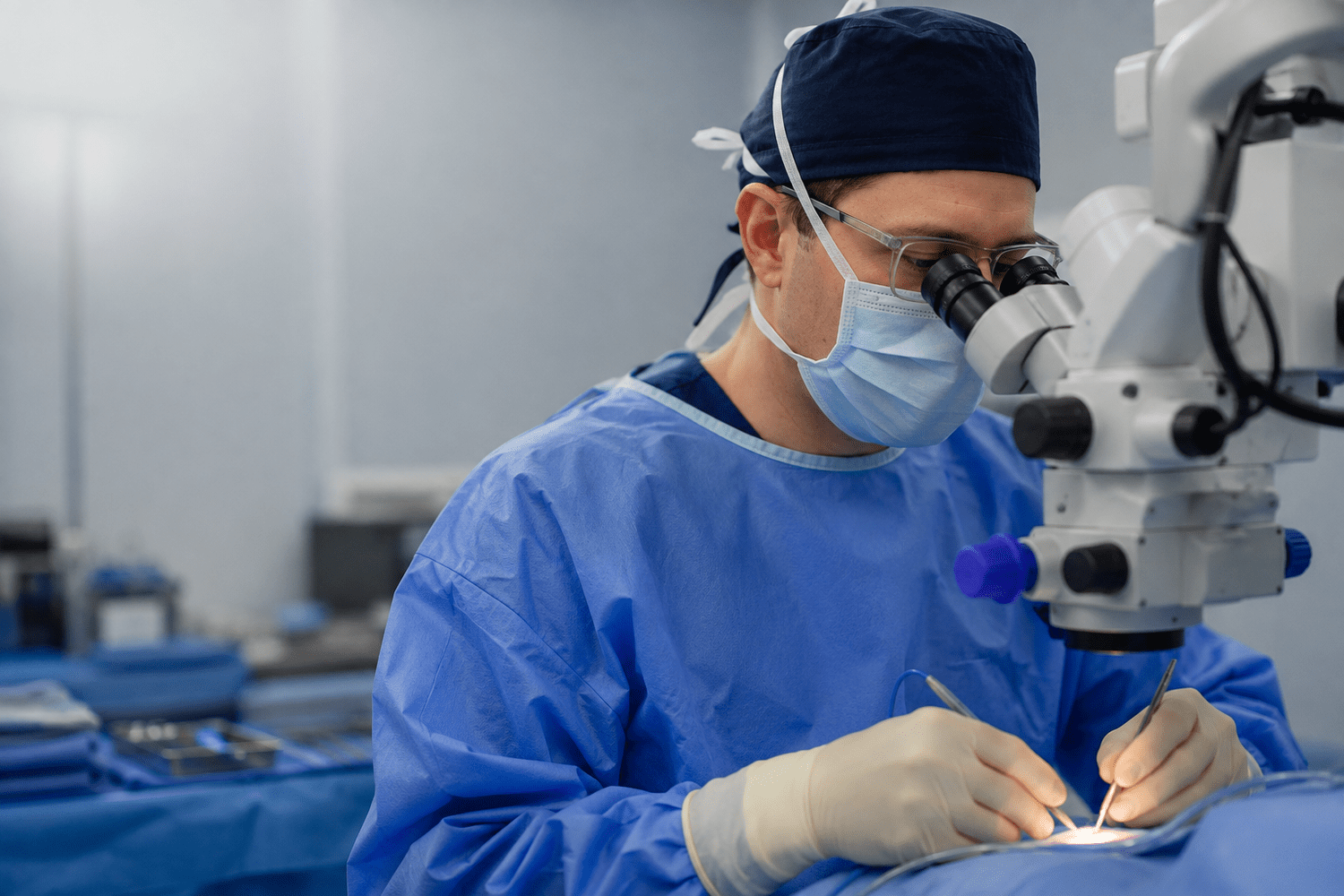
The operation requires magnification with an operating microscope because the epididymal tubule is extremely small. Fine microsurgical sutures are used to create the new connection.
A suitable epididymal tubule is identified, opened and assessed. The vas deferens is then connected to this tubule, creating a new route through which sperm may reach the ejaculate.
The operation aims to restore continuity of the sperm pathway so sperm can return to the semen. It cannot guarantee pregnancy, because fertility depends on semen quality after reconstruction and reproductive factors affecting both partners.
The epididymal tubule is extremely small
Epididymovasostomy is technically different from simply reconnecting two divided ends of the vas deferens.
The surgeon must identify a suitable epididymal tubule, determine the level of obstruction and construct an anastomosis between structures of very different sizes.
Operating microscope magnification allows the reproductive structures, tubule opening and fine sutures to be visualised throughout the reconstruction.
Several microsurgical configurations have been described, including intussusception techniques. The precise technique depends on the anatomy and intraoperative findings.
Vasovasostomy or epididymovasostomy?
Both operations restore the sperm pathway, but they treat obstruction at different locations.
Vasovasostomy
Vasovasostomy directly reconnects two patent ends of the vas deferens.
This is the standard reconstruction when the blockage lies within the vas and the upstream epididymal pathway remains open.
- vas-to-vas connection
- commonly used during vasectomy reversal
- does not bypass epididymal obstruction
Epididymovasostomy
Epididymovasostomy connects the vas directly to a suitable epididymal tubule.
This bypasses a blockage located further upstream within the epididymis.
- vas-to-epididymal-tubule connection
- more technically complex microsurgery
- used for selected epididymal obstruction
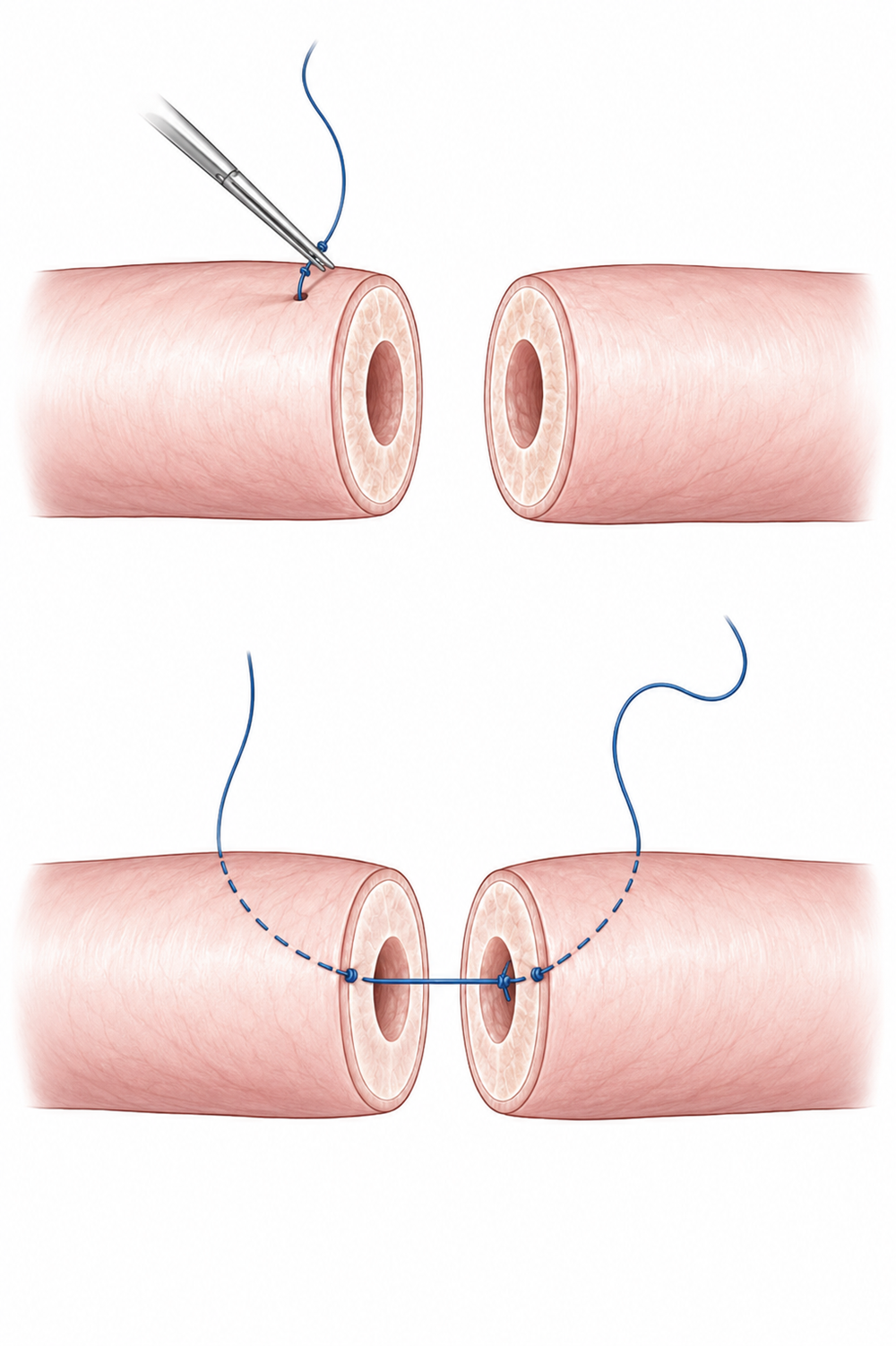
Vasovasostomy
The two ends of the vas deferens are reconnected when the epididymal pathway remains patent.
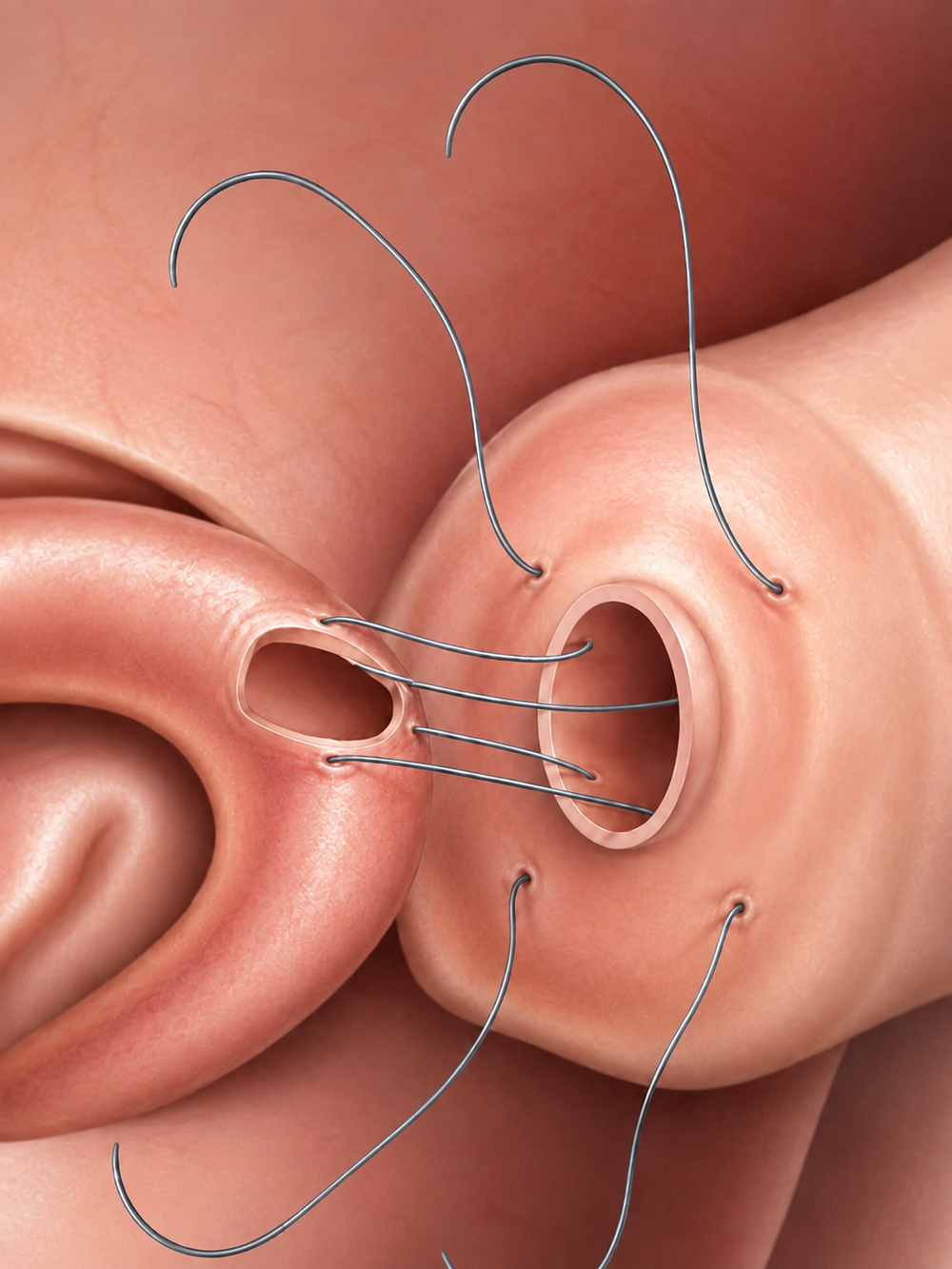
Epididymovasostomy
The vas is connected directly to an epididymal tubule upstream from an epididymal obstruction.
Epididymal obstruction after vasectomy
Vasectomy blocks the vas deferens, but sperm production continues within the testicle.
In some men, longstanding obstruction is associated with secondary blockage within the epididymis.
This matters when a vasectomy reversal is performed because simply reconnecting the vas deferens may not restore the pathway if a second obstruction is present upstream.
The final reconstruction required may therefore only become clear during surgery after the vas deferens and fluid from the testicular side are assessed.
If the findings indicate secondary epididymal obstruction, an epididymovasostomy may be required instead.

Epididymovasostomy or sperm retrieval + IVF/ICSI?
Epididymal obstruction can often be approached in two very different ways: reconstruct the reproductive tract, or bypass the obstruction by retrieving sperm for assisted reproduction.
Microsurgical reconstruction
Epididymovasostomy aims to restore sperm to the ejaculate.
- may provide an opportunity for natural conception
- may be attractive if more than one pregnancy is desired
- does not require IVF solely because of the obstruction if successful
- sperm may take several months to return
- patency cannot be guaranteed
Sperm retrieval + IVF/ICSI
Sperm are retrieved upstream from the obstruction and used with assisted reproductive treatment.
- PESA or MESA may retrieve epididymal sperm
- TESA or TESE may retrieve testicular sperm
- may suit couples who already require IVF
- may be relevant where reproductive timing is important
- avoids waiting for reconstructive patency
The decision should consider the female partner's age, ovarian reserve and tubal status, other fertility factors, desired family size, reproductive timeframe and the couple's preferences.
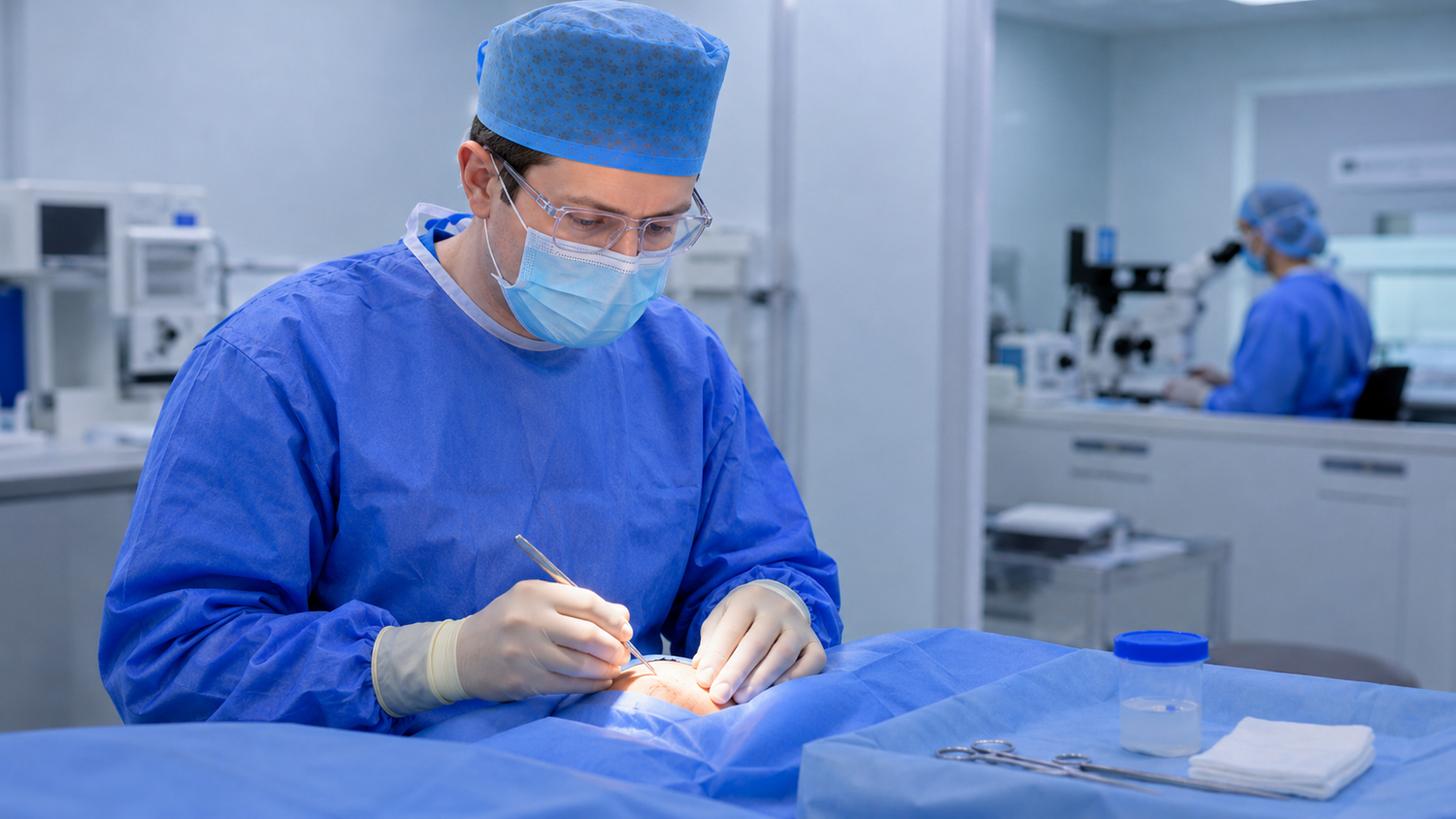
Should sperm be retrieved during reconstruction?
In selected cases, sperm retrieval and cryopreservation may be discussed at the time of reconstructive surgery.
This may provide stored sperm for future IVF/ICSI if the reconstruction cannot be completed, fails to become patent or later becomes blocked again.
It is not necessary for every patient. The value of backup sperm retrieval depends on the anatomy, previous surgery, reproductive timeline, partner fertility and preferences.
When will sperm return after epididymovasostomy?
Epididymal reconstruction usually takes longer to demonstrate patency than a straightforward vasovasostomy.
Published European guideline data summarise a systematic review in which time to patency following epididymovasostomy varied approximately from 2.8 to 6.6 months, although recanalisation may take considerably longer in some men.
Results vary with the cause and duration of obstruction, unilateral versus bilateral reconstruction, the level of epididymal anastomosis, intraoperative findings, surgical and laboratory factors and fertility factors affecting both partners.
Recovery and fertility follow-up
Surgical recovery
Temporary scrotal discomfort, bruising and swelling can occur following reproductive microsurgery.
- supportive underwear may be recommended
- strenuous exercise is restricted during early recovery
- heavy lifting is avoided during the initial healing period
- sexual activity is resumed according to postoperative instructions
Semen testing
Follow-up semen analyses determine whether sperm have returned to the ejaculate.
Because epididymal reconstruction may take time to become patent, absence of sperm on an early semen analysis does not necessarily mean the reconstruction has failed.
When might reconstruction not be the preferred pathway?
Finding an epididymal obstruction does not automatically mean epididymovasostomy is the best option.
IVF is already required
If significant female-factor infertility already requires IVF, sperm retrieval with ICSI may offer a more direct pathway.
Reproductive time is limited
Female age or reduced ovarian reserve may make waiting for reconstructive patency less attractive.
Reconstruction is not technically feasible
Previous surgery, anatomy or the location and extent of obstruction may make reconstruction inappropriate or impossible.
Sperm production is also impaired
Obstruction and impaired sperm production can coexist. Reconstructing the pathway may provide less benefit when significant testicular dysfunction is also present.
Assisted reproduction is preferred
Some couples prefer sperm retrieval with IVF/ICSI after considering the relative procedures, timing and fertility goals.
Other fertility factors dominate
Treatment needs to address the couple's overall probability and pathway to pregnancy rather than the male obstruction in isolation.
Your epididymal obstruction journey
Treatment begins by confirming the diagnosis and deciding whether reconstruction or assisted reproduction best fits the couple's fertility goals.
Male fertility assessment
Semen analyses, fertility history, previous infections, vasectomy or surgery, reproductive hormones and fertility goals are reviewed.
Confirm an obstructive pattern
Examination and investigations help determine whether sperm production appears preserved and where obstruction is most likely located.
Consider both partners
Female age, ovarian reserve, tubal status, previous fertility treatment and desired family size are considered before choosing reconstruction or IVF.
Plan reconstruction or sperm retrieval
If epididymovasostomy is appropriate, the operative plan and possibility of simultaneous sperm retrieval or cryopreservation can be discussed.
Microsurgical reconstruction
A suitable epididymal tubule is identified and connected to the vas deferens using operating microscope magnification.
Semen testing and fertility planning
Serial semen analysis assesses whether sperm return. Results are then interpreted alongside the couple's reproductive timeline and pregnancy plans.

Dr Jack Crozier
Dr Jack Crozier is a Brisbane urologist and fellowship-trained andrologist with a subspecialty focus on male infertility, azoospermia, reproductive microsurgery and sperm retrieval.
His advanced andrology fellowship at University College London Hospitals included male infertility, reproductive microsurgery, vasectomy reversal and surgical sperm retrieval.
Travelling to Brisbane for reproductive microsurgery?
Men with complex obstructive azoospermia may need to coordinate assessment, reproductive surgery and fertility treatment across different locations.
Where clinically appropriate, previous semen analyses, hormone results, imaging, fertility clinic records and previous operative reports may be reviewed before major travel arrangements are made.
This may help clarify whether epididymovasostomy, another form of reconstruction, surgical sperm retrieval or an assisted reproductive pathway is likely to require consideration.

Explore related information
Obstructive Azoospermia
Understand vasal, epididymal and ejaculatory duct obstruction and how blockage differs from impaired sperm production.
Vasectomy Reversal
Learn how vasovasostomy and epididymovasostomy are used in microsurgical fertility restoration after vasectomy.
Surgical Sperm Retrieval
Compare PESA, MESA, TESA and TESE when a blockage is bypassed rather than reconstructed.
Azoospermia
Start with the broader guide to a semen analysis in which no sperm have been detected.
Ejaculatory Duct Obstruction
Learn about a different form of obstruction located distally within the prostate.
Male Infertility & Reproductive Urology
Explore male fertility assessment, conditions, microsurgery, sperm retrieval and patient tools.
Epididymal obstruction & epididymovasostomy FAQs
What is the epididymis?
The epididymis is a tightly coiled structure attached to the back of each testicle. Sperm pass from the testicle through the epididymis before entering the vas deferens. Blockage within these small tubules can prevent sperm from reaching the ejaculate.
What is the difference between epididymovasostomy and vasoepididymostomy?
They describe the same general reconstructive operation: connecting the vas deferens directly to an epididymal tubule to bypass an epididymal obstruction. Both terms are used in reproductive urology literature.
What causes epididymal obstruction?
Causes include previous vasectomy, epididymal infection or inflammation, previous scrotal surgery, trauma, congenital abnormalities and unexplained acquired obstruction.
Can vasectomy cause an epididymal blockage?
Yes. In some men, longstanding obstruction following vasectomy is associated with secondary blockage within the epididymis. This is one reason an epididymovasostomy may occasionally be required during vasectomy reversal rather than a simple vasovasostomy.
Can you tell before vasectomy reversal whether I will need an epididymovasostomy?
Not always. The history and examination may suggest the possibility of secondary epididymal obstruction, but the final reconstruction required can depend on findings during surgery and assessment of fluid from the testicular end of the vas deferens.
What is the difference between vasovasostomy and epididymovasostomy?
Vasovasostomy reconnects two ends of the vas deferens. Epididymovasostomy bypasses an epididymal obstruction by connecting the vas deferens directly to a suitable epididymal tubule.
Is epididymovasostomy more difficult than vasovasostomy?
Epididymovasostomy is generally considered a more complex reproductive microsurgical procedure because the epididymal tubule is much smaller than the vas deferens and the surgeon must identify a suitable tubule upstream from the obstruction.
How long does it take for sperm to return after epididymovasostomy?
Sperm may take several months to appear in the ejaculate. Published EAU guideline data report an average time to patency of approximately 2.8 to 6.6 months in a systematic review, although individual recovery can be shorter or considerably longer.
What is the success rate of epididymovasostomy?
Success can be described as patency, meaning sperm return to the semen, or pregnancy. EAU guideline data summarise published patency rates of approximately 63–85% and cumulative natural pregnancy rates of 21–45%. These are population ranges rather than an individual prediction and vary according to the cause of obstruction, operative findings, reconstruction and fertility factors affecting both partners.
Does successful surgery guarantee natural pregnancy?
No. Restoration of sperm to the ejaculate creates the possibility of natural conception but cannot guarantee it. Pregnancy also depends on sperm quality, female fertility, reproductive timing and other factors affecting the couple.
Is epididymovasostomy better than IVF and ICSI?
Neither pathway is automatically better. Reconstruction may suit couples hoping for natural conception or more than one pregnancy. Sperm retrieval with IVF/ICSI may be more appropriate when IVF is already required, female ovarian reserve makes time important, reconstruction is not feasible or assisted reproduction is preferred.
Can sperm be retrieved if the epididymis is blocked?
Often. Depending on the location of the obstruction, sperm may be retrieved from a suitable part of the epididymis using PESA or MESA, or directly from the testicle using TESA or TESE for use with ICSI.
Should sperm be frozen during epididymovasostomy?
Simultaneous sperm retrieval and cryopreservation may be worth considering in selected patients as a backup for future IVF/ICSI. It is not required in every case and should be considered according to the fertility plan of both partners.
Can an epididymovasostomy block again later?
Yes. Like other microsurgical anastomoses, a reconstruction can later narrow or become obstructed because of fibrosis. Follow-up semen analyses are therefore important, and cryopreservation of ejaculated sperm may be considered after successful reconstruction.
Do I need a testicular biopsy before epididymovasostomy?
Usually not simply to diagnose obstruction. Semen analysis, reproductive history, examination, hormone testing and targeted investigations can usually establish whether obstructive azoospermia is likely without a separate diagnostic biopsy.
Does epididymovasostomy affect testosterone, erections or orgasm?
The operation reconstructs the sperm transport pathway and is not intended to alter testosterone production, erections or orgasm. Temporary discomfort during postoperative recovery can affect sexual activity in the short term.
Can I be assessed if I live interstate or overseas?
Potentially. Previous semen analyses, reproductive hormone results, imaging, fertility information and operative reports can be useful in preliminary planning. Physical examination and additional investigations may still be required before a definitive surgical plan is made.
Could an epididymal blockage be affecting your fertility?
If you have obstructive azoospermia, previous epididymal infection or surgery, a previous vasectomy, or have been told that an epididymal blockage may be present, reproductive urology assessment can help determine whether microsurgical reconstruction, sperm retrieval with IVF/ICSI or another pathway should be considered.
Medical information disclaimer: This page provides general educational information and does not replace individual medical advice, diagnosis or informed consent. Epididymal obstruction can have several causes and the appropriate fertility pathway depends on the individual's history, examination, semen results, reproductive hormones, previous surgery, operative findings and the reproductive circumstances of both partners. Published surgical outcomes describe groups of patients and cannot predict an individual's result. Microsurgical reconstruction, return of sperm to the ejaculate, sperm retrieval, fertilisation, pregnancy and live birth cannot be guaranteed.