


Male Fertility After Cancer Treatment
Chemotherapy, radiotherapy and cancer surgery can affect sperm production, reproductive hormones or ejaculation. For some men fertility recovers with time. For others, specialist investigation or sperm retrieval may provide another pathway.
Finishing cancer treatment does not always answer the fertility question
Cancer treatment can temporarily or permanently affect the cells responsible for sperm production.
The effect varies according to the cancer itself, the treatments received, treatment intensity, whether the testes or reproductive tract were involved and a man's fertility before treatment.
After treatment, a semen analysis may show normal sperm production, reduced sperm numbers, extremely rare sperm or no sperm identified in the ejaculate.
Specialist assessment aims to determine which situation applies and what reproductive options remain relevant.
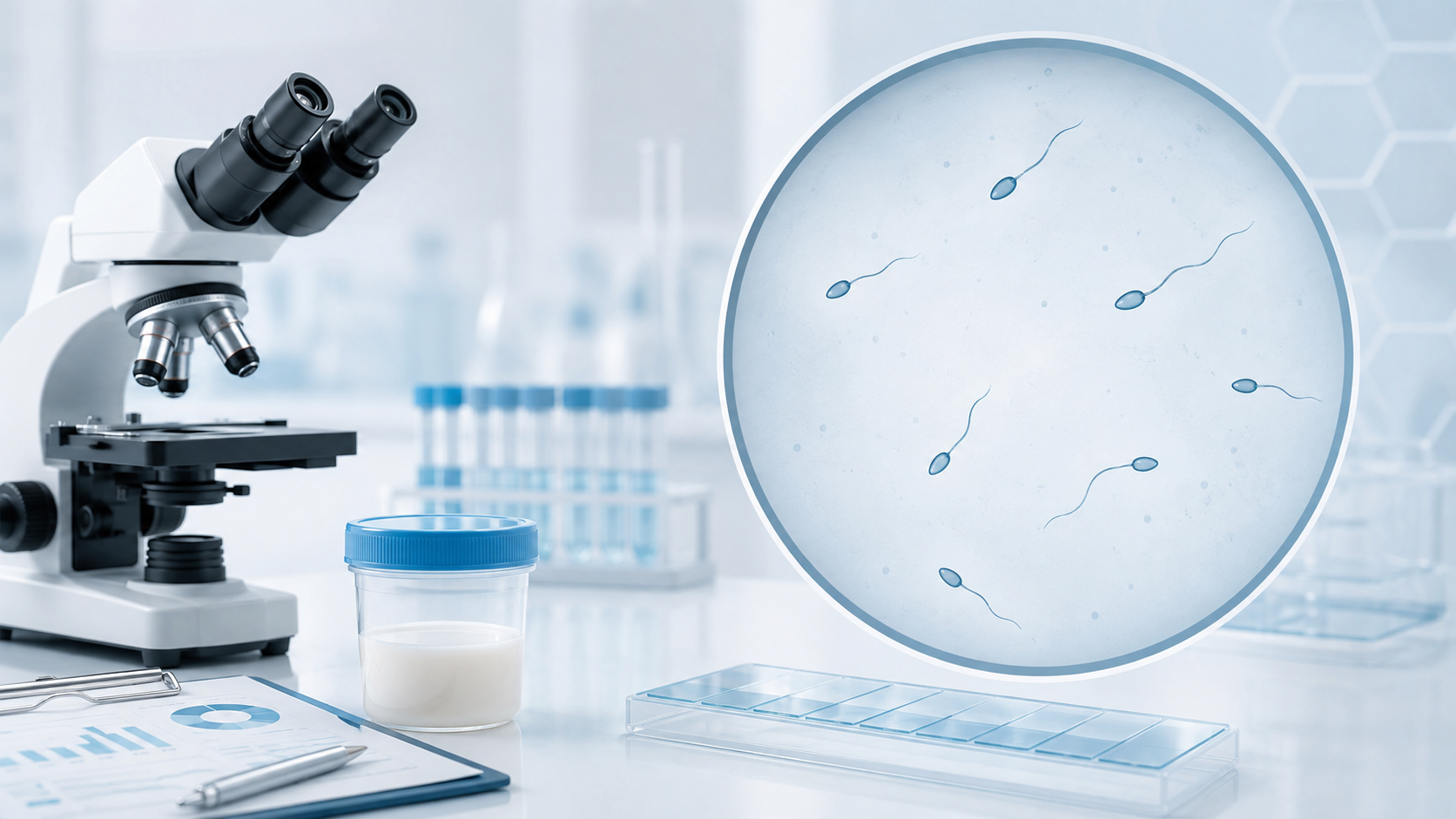
Different cancer treatments can affect fertility in different ways
Knowing that someone has previously had cancer is not enough to predict fertility. The specific treatment received and the reproductive structures exposed are important.
Chemotherapy
Some chemotherapy regimens can damage the sperm-producing cells within the testicle. Suppression may be temporary or persistent and recovery can take time.
Radiotherapy
Radiation involving the testes or nearby structures can affect spermatogenesis. Treatment involving the brain or pituitary region may also affect reproductive hormonal signalling.
Testicular surgery
Removal of one testicle reduces the amount of testicular tissue, although a healthy remaining testicle may continue to provide adequate sperm production and testosterone.
Retroperitoneal or pelvic surgery
Selected cancer operations can affect the nerves controlling ejaculation even when sperm production remains present, resulting in absent or retrograde ejaculation.
Stem-cell transplantation
Conditioning regimens can involve high-dose chemotherapy and sometimes radiotherapy and may carry a substantial risk of persistent impairment of sperm production.
Other cancer therapies
Hormonal, targeted and immune-based therapies have different reproductive effects. Advice should be based on the actual treatment regimen rather than assumptions.
Can sperm production come back?
Sometimes. Sperm production may recover after cancer treatment, but both the likelihood and timing of recovery vary considerably between men.
How fertility is assessed after cancer treatment
The assessment aims to establish whether sperm production has recovered, whether reproductive hormones remain intact and whether an ejaculatory problem is contributing.
If fertility remains significantly impaired, the next question is whether observation, sperm banking, assisted reproduction or surgical sperm retrieval may be relevant.

Review cancer treatment
Cancer diagnosis, chemotherapy, radiotherapy, surgery and the date treatment finished are reviewed.
Semen analysis
Determine whether sperm are present and assess concentration, motility, morphology and semen volume.
Hormone testing
FSH, LH and testosterone can provide information about reproductive hormonal signalling and testicular function.
Targeted investigation
Examination, ultrasound, genetics or other investigation may be useful depending on the clinical findings.
Choose a pathway
Observation, sperm banking, IVF planning or surgical sperm retrieval can then be considered when appropriate.
The pathway depends on what the semen analysis shows
Fertility after cancer is not a single diagnosis. The semen result helps define what needs to be investigated next.
Sperm production has recovered or remained present
The concentration, motility and total sperm numbers can then be interpreted alongside the reproductive circumstances of both partners.
Depending on the situation, options may include attempting natural conception, cryopreservation or assisted reproduction.
Interpret your semen analysis →Only small numbers of sperm are identified
Severe oligozoospermia or cryptozoospermia may require repeat assessment and fertility-laboratory planning.
Where viable sperm are extremely limited, sperm cryopreservation may sometimes be considered because future sperm production cannot automatically be assumed.
Learn about cryptozoospermia →Persistent azoospermia after treatment
No sperm identified in the semen does not automatically prove that sperm are absent throughout the testicle.
Assessment focuses on whether this represents persistent treatment-related testicular impairment, another cause of reduced sperm production, obstruction or an ejaculatory problem.
Explore the azoospermia pathway →Sperm production may be present but semen is not coming out
Retroperitoneal, pelvic or neurological effects of cancer treatment can sometimes result in anejaculation or retrograde ejaculation.
This requires a different fertility assessment from impaired sperm production within the testicle.
Anejaculation & retrograde ejaculation →Could MicroTESE find sperm after cancer treatment?
In selected men with persistent non-obstructive azoospermia following gonadotoxic cancer treatment, microscopic testicular sperm extraction may be considered after appropriate assessment.
MicroTESE uses an operating microscope to search the testicle for areas of seminiferous tubules that appear more likely to contain residual sperm production.
This can be relevant because sperm production may occasionally persist in small focal areas even when no sperm are identified in the ejaculate.
Not every cancer survivor with azoospermia should undergo MicroTESE. The previous treatment, time since treatment, hormone profile, testicular findings, genetics, previous sperm retrieval and reproductive circumstances all matter.
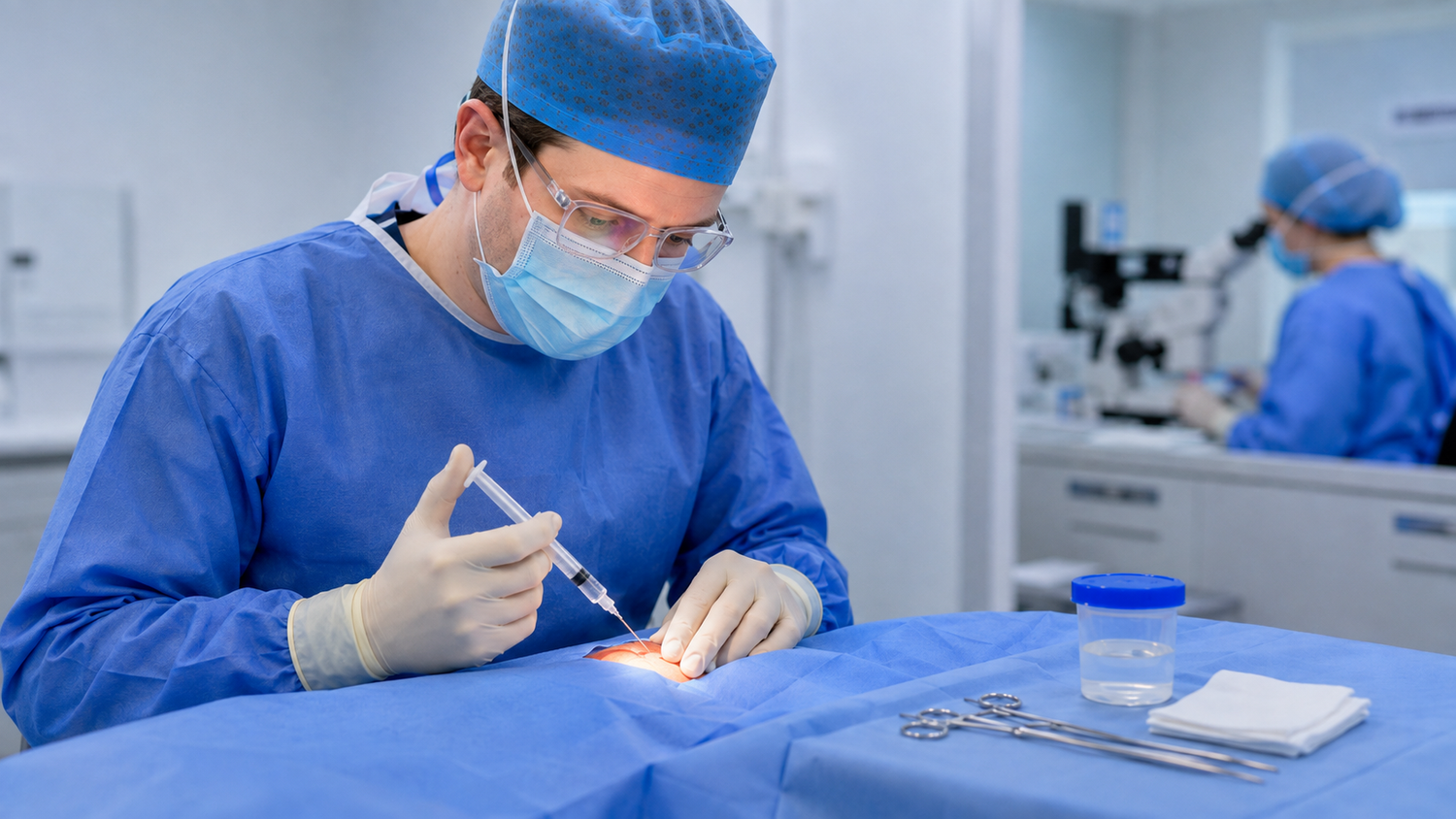
A high FSH is important — but it is not a sperm retrieval test
An elevated FSH may support significant impairment of sperm production.
It cannot by itself determine whether small areas of sperm production remain within the testicle.
Fertility and testosterone are related but not identical
A man can have significantly impaired sperm production while maintaining testosterone production.
Conversely, some cancer treatments may affect both reproductive and endocrine testicular function.
Not every post-cancer patient requires genetic testing
Previous cancer treatment may provide an explanation for impaired sperm production, but selected men may still have an underlying genetic or developmental contributor.
Male infertility genetic testing →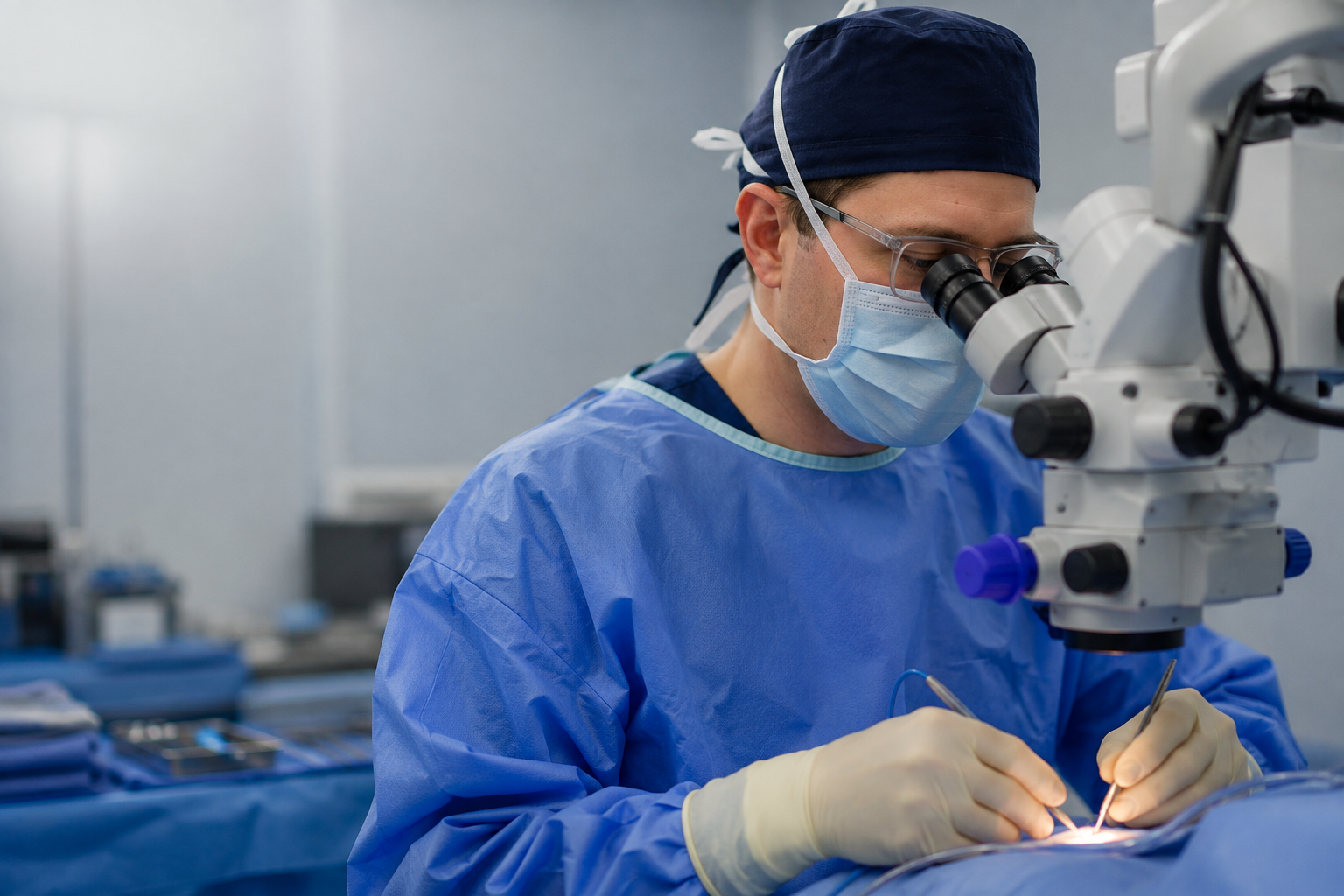
Testicular cancer deserves particular fertility consideration
Testicular cancer commonly occurs during the reproductive years, and semen quality may already be impaired before chemotherapy or radiotherapy begins.
The fertility effect therefore cannot always be attributed to cancer treatment alone.
Following removal of one testicle, many men continue to produce sperm and testosterone from a healthy remaining testicle.
Others may have reduced reproductive reserve because of abnormalities affecting the remaining testicle, previous undescended testis, pre-existing impaired spermatogenesis or additional cancer treatment.
For men who have not yet undergone treatment, semen analysis and sperm cryopreservation should be considered early where feasible.
What fertility options may remain after cancer treatment?
The appropriate pathway depends on whether sperm are present, how much testicular recovery has occurred, whether sperm were stored before cancer treatment and the reproductive circumstances of both partners.
Natural conception
May remain possible where adequate sperm production has recovered and there are no significant fertility factors affecting either partner.
Cryopreserved sperm
Sperm stored before treatment may provide an important future reproductive option when post-treatment sperm production is significantly impaired.
IVF / ICSI
Assisted reproduction may be considered where sperm numbers are very low, surgically retrieved sperm are being used or additional fertility factors are present.
Surgical sperm retrieval
Selected men with persistent azoospermia may be considered for a testicular sperm retrieval procedure after appropriate investigation and counselling.
What information is useful after cancer treatment?
Cancer treatment records
Oncology correspondence, chemotherapy regimen information, radiotherapy records, operation reports and the approximate dates treatment was given.
Fertility investigations
Previous and recent semen analyses, hormone results, sperm banking records, genetic testing and any previous fertility or IVF treatment information.
Your fertility goals
Whether you are currently trying for pregnancy, planning future children, already undertaking IVF or primarily want to understand whether fertility has recovered.
Explore the next step
Cancer-related fertility problems can overlap with several other male reproductive conditions. These pathways provide more detailed information.
Male Infertility & Reproductive Urology
Specialist assessment of abnormal semen results, azoospermia, reproductive obstruction and male fertility problems.
Explore male fertility → No sperm in semenAzoospermia
Understand why sperm may be absent and the distinction between impaired production and reproductive tract obstruction.
Explore azoospermia → Sperm production impairmentMicroTESE
Microsurgical sperm retrieval for appropriately selected men with non-obstructive azoospermia.
Explore MicroTESE → Fertility proceduresSurgical Sperm Retrieval
Understand PESA, TESA, TESE, MESA and MicroTESE and why the retrieval technique depends on the underlying diagnosis.
Compare procedures → InvestigationMale Infertility Genetic Testing
Learn when karyotype, Y-chromosome or other targeted genetic investigation may be relevant.
Explore genetic testing → Patient toolsMale Fertility Tools
Use the semen-analysis interpreter, assessment tools and pathway finders to better understand your fertility results.
Open patient tools →Specialist fertility assessment after cancer treatment
Dr Jack Crozier is a Brisbane urologist and fellowship-trained andrologist whose subspecialty practice includes male infertility, azoospermia, reproductive microsurgery and surgical sperm retrieval.
His training also includes uro-oncology, allowing previous cancer treatment and reproductive consequences to be considered together rather than treating the semen analysis in isolation.
Assessment can integrate oncology history, semen testing, reproductive hormones and consideration of sperm retrieval where clinically appropriate.
Specialist Urology
Australian specialist surgical training in urology.
Andrology Fellowship
Advanced fellowship training in male reproductive and andrological surgery.
Reproductive Microsurgery
Microsurgical male fertility procedures including sperm retrieval pathways.
Coordinated Fertility Care
Treatment planning alongside fertility specialists and embryology laboratories when required.

Travelling for fertility assessment after cancer?
Men with persistent azoospermia or complex fertility problems after cancer treatment may already have extensive investigations and oncology records.
Where clinically appropriate, existing information can be reviewed before major travel arrangements are made.
Useful information can include previous semen analyses, hormone results, chemotherapy or radiotherapy summaries, oncology correspondence, operation reports and fertility laboratory records.
Male fertility after cancer treatment FAQs
Can sperm come back after chemotherapy?
How long does fertility take to recover after cancer treatment?
When should I have a semen analysis after chemotherapy?
Can I try for a baby immediately after finishing chemotherapy?
What if there are still no sperm in my semen?
Does a high FSH mean MicroTESE cannot work?
Can MicroTESE find sperm after chemotherapy?
Can one testicle be enough for fertility?
Can testicular cancer itself lower sperm count?
Should I have genetic testing if I am azoospermic after cancer?
What if I cannot ejaculate after cancer surgery?
Has cancer treatment affected your sperm count or fertility?
A specialist male fertility assessment can help determine whether sperm production has recovered, whether further recovery may remain possible and which reproductive pathways may be relevant if semen testing shows very low sperm numbers or azoospermia.
Medical information disclaimer: This page provides general educational information and does not replace individual medical advice, oncology advice, fertility assessment or informed consent. The effect of cancer and cancer treatment on fertility varies substantially between individuals. Do not delay, stop or alter cancer treatment because of information on this page. Timing of conception after cancer treatment should be discussed with the treating oncology and fertility teams. Semen recovery, sperm retrieval, fertilisation, pregnancy and live birth cannot be guaranteed.