

Genetic Testing for Male Infertility
Genetic testing can sometimes explain why sperm production is severely reduced, why no sperm are present in the semen, or why part of the reproductive tract did not develop normally.
The important question is not simply whether to “have genetic testing”, but which test is relevant to your fertility pattern and whether the result could change treatment or family planning.
- Karyotype assessment when indicated
- Y-chromosome microdeletion testing
- CFTR testing in selected obstruction
- Interpretation before sperm retrieval
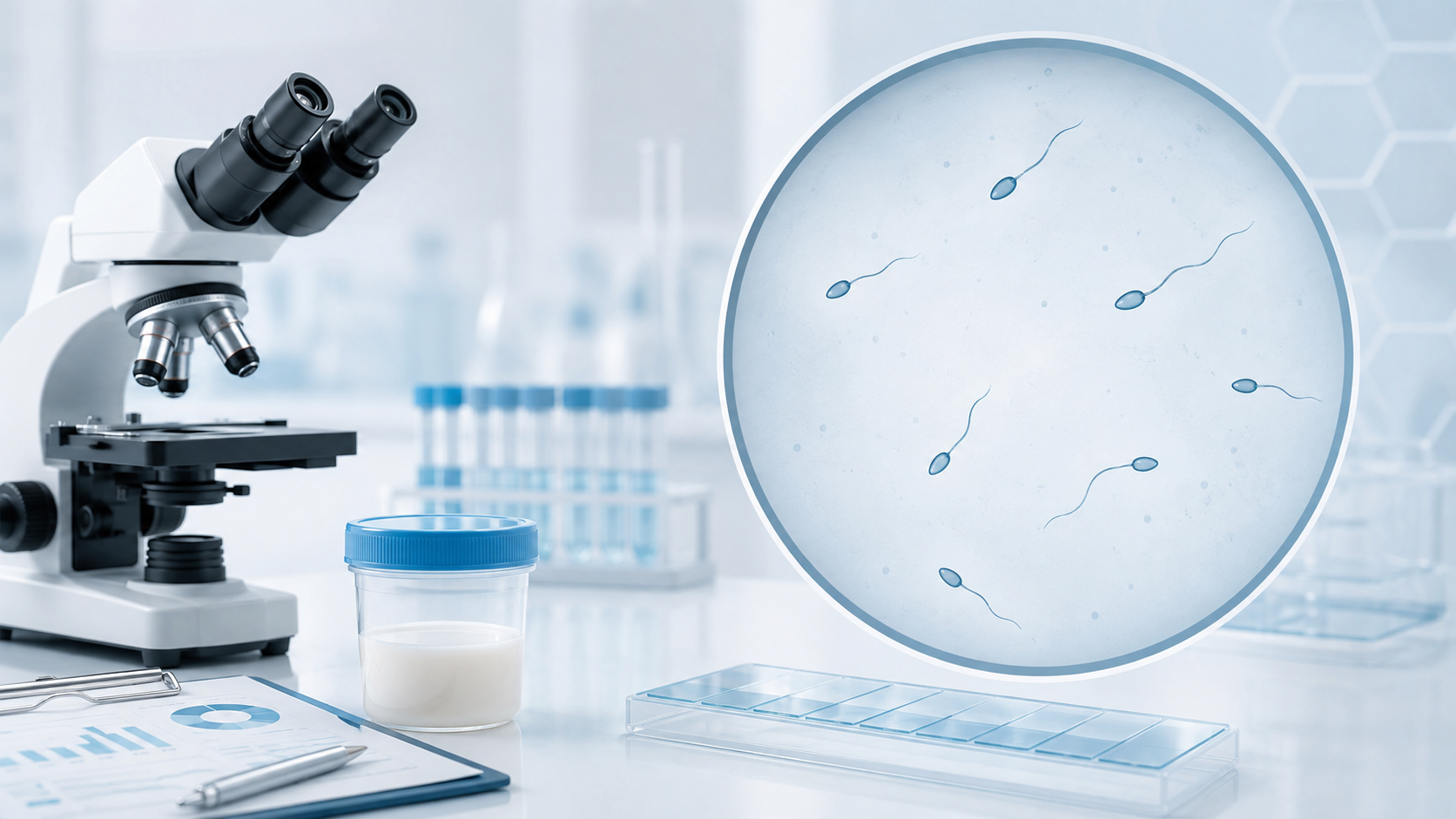
A genetic result can do more than give a diagnosis
In selected men with severe male-factor infertility, genetic testing can help explain the underlying cause, influence whether sperm retrieval is reasonable and identify information that may be relevant to future children.
Genetics is therefore most useful when it is interpreted alongside semen analyses, reproductive hormones, testicular examination, reproductive tract anatomy, previous treatments and the fertility circumstances of both partners.
Help identify the cause
Some chromosome abnormalities, Y-chromosome deletions and inherited conditions can produce recognisable male fertility patterns.
Help plan treatment
Certain genetic results can materially influence whether MicroTESE, surgical sperm retrieval, reconstruction or another fertility pathway should be considered.
Help plan for children
Some findings can be inherited. Genetic counselling or partner testing may therefore be relevant before assisted reproductive treatment.
Common genetic pathways
Male infertility genetic testing is not one single blood test. The most commonly relevant investigations assess different biological questions:
Karyotype looks at chromosome number and large structural chromosome changes.
Y-chromosome microdeletion testing looks for selected missing regions involved in sperm production.
CFTR testing may be relevant when the vas deferens is absent or certain forms of obstructive azoospermia are suspected.
Which genetic tests are used in male infertility?
The appropriate test depends mainly on whether the clinical pattern suggests impaired sperm production, a reproductive tract abnormality or another specific inherited condition.
Karyotype
A karyotype examines the number and large-scale structure of chromosomes. It can identify conditions such as Klinefelter syndrome and some structural chromosome rearrangements.
- Relevant in selected azoospermia
- Relevant in severe oligozoospermia
- Can identify 47,XXY Klinefelter syndrome
- Can identify selected translocations or rearrangements
Y-Chromosome Microdeletion
The Y chromosome contains regions that are important for sperm production. Selected deletions involving the AZF regions can cause severe oligozoospermia or non-obstructive azoospermia.
- Especially relevant with azoospermia
- Considered with very severe low sperm counts
- AZFa, AZFb and AZFc have different implications
- Some deletions can be passed to male offspring
CFTR Testing
CFTR variants can be associated with congenital absence or abnormal development of the vas deferens and therefore with some forms of obstructive azoospermia.
- Relevant when the vas deferens is absent
- May be relevant in selected unexplained obstruction
- Can influence counselling before IVF/ICSI
- Partner genetic assessment may also be recommended

Not everyone with infertility needs genetic testing
A mildly abnormal semen analysis does not automatically require a karyotype, Y-chromosome test or broad genetic panel.
Genetic testing becomes more important when the fertility pattern raises suspicion of significantly impaired sperm production or a congenital reproductive tract abnormality.
Selecting tests according to the clinical picture helps avoid investigations that are unlikely to change diagnosis or treatment.
When might genetic testing be considered?
The semen result is interpreted together with hormones, examination and reproductive history before deciding which genetic investigation is relevant.
Azoospermia
No sperm identified in the ejaculate. Assessment first considers whether the pattern is obstructive or reflects significantly impaired sperm production.
Very low sperm concentration
Severe oligozoospermia or cryptozoospermia may warrant genetic assessment, particularly when clinical findings suggest impaired testicular sperm production.
Small testes or raised FSH
These findings can support a sperm-production problem and may make chromosome or Y-chromosome assessment more relevant.
Absent vas deferens
Congenital absence or abnormality of the vas deferens can raise the possibility of a CFTR-related reproductive tract condition.
The exact genetic finding matters
Different abnormalities have very different implications. A genetic report should therefore be interpreted in the context of the man's diagnosis and the couple's reproductive plans.
Klinefelter syndrome — 47,XXY
Klinefelter syndrome is an important recognised genetic cause of impaired sperm production. Many affected men have azoospermia, smaller testes and altered reproductive hormone levels.
- Sperm are uncommon in the ejaculate
- Selected men may still have focal testicular sperm production
- MicroTESE may be discussed in appropriately assessed patients
- Long-term testosterone and endocrine health may also require review
AZF microdeletions
The clinical significance depends on which part of the AZF region is deleted. This can be especially important before planning surgical sperm retrieval.
- Complete AZFa or AZFb deletions carry a very poor sperm-retrieval outlook
- AZFc deletions have a different and more variable fertility pattern
- Sperm may sometimes be present in semen or testicular tissue with AZFc deletion
- A Y-chromosome deletion can be transmitted to a son conceived using affected sperm
CFTR-related vasal abnormalities
Some men with congenital absence of the vas deferens produce sperm normally but sperm cannot reach the ejaculate because the transport pathway did not develop normally.
Genetic assessment can help explain the diagnosis and can be important for reproductive counselling because CFTR variants can also be carried by the female partner.
Explore obstructive azoospermia →Translocations and chromosome rearrangements
Some men have the expected total amount of genetic material but part of one chromosome has exchanged position with another. These structural changes can affect sperm production or reproductive outcomes.
Where a clinically significant chromosome abnormality is identified, genetic counselling can help explain possible reproductive implications and whether additional assessment is appropriate.
Why genetic testing can matter before MicroTESE
MicroTESE is used in selected men with non-obstructive azoospermia to search microsurgically for small areas of sperm production within the testicle.
Before surgery, the diagnosis should be established as clearly as possible. Some genetic findings provide information about the likely biology of sperm production and can substantially change the discussion about whether an operation is appropriate.
This is one reason genetic assessment should occur as part of the diagnostic pathway before surgery, rather than as an afterthought following an unsuccessful retrieval.

What genetic testing cannot tell you
Genetic investigations can be very useful, but they do not replace a complete male fertility assessment.
A normal test does not exclude a genetic cause
Current clinical tests do not detect every genetic change that may influence sperm production. Many men with severe infertility still have no single identifiable genetic explanation.
A blood test cannot predict fertility by itself
Genetic findings need to be interpreted together with semen testing, reproductive hormones, examination and the couple's wider fertility circumstances.
Sperm DNA fragmentation is not the same test
Sperm DNA fragmentation testing assesses DNA damage within sperm. It is conceptually different from karyotype, Y-chromosome or CFTR genetic testing and is not automatically required during initial male fertility assessment.

Specialist interpretation of male fertility genetics
Dr Jack Crozier is a Brisbane urologist and fellowship-trained andrologist with a subspecialty practice in male infertility, azoospermia, reproductive microsurgery and surgical sperm retrieval.
Genetic results are considered alongside semen analyses, reproductive hormones, testicular examination, reproductive tract anatomy, previous surgery or treatment and the couple's reproductive priorities.
Where a clinically important heritable abnormality is identified, coordination with a genetic counsellor, fertility specialist or IVF team may form part of treatment planning.
Already had genetic testing?
Bring the complete report rather than only being told that the test was “normal” or “abnormal”.
Genetic reports
Bring copies of karyotype, Y-chromosome microdeletion, CFTR or other previous genetic results.
Fertility investigations
Bring all semen analyses, including reports showing azoospermia, cryptozoospermia or severe oligozoospermia.
Hormone results
FSH, LH and testosterone results provide important context when interpreting severe sperm-production abnormalities.
Related male fertility information
Azoospermia
Understand the difference between obstruction and impaired sperm production.
Obstructive Azoospermia
Learn about congenital, acquired and surgically treatable causes of obstruction.
MicroTESE
Microsurgical sperm retrieval for appropriately selected men with NOA.
Male Fertility Centre
Return to the complete male infertility and reproductive urology pathway.
Male infertility genetic testing FAQs
Does every man with infertility need genetic testing?
What genetic tests are commonly used for azoospermia?
What does a karyotype test look for?
What is a Y-chromosome microdeletion?
Does an AZFc deletion mean sperm cannot be found?
Why are AZFa and AZFb results important before MicroTESE?
Why would CFTR testing be performed in a man with infertility?
Can a genetic condition be passed to my children?
Does a normal genetic test mean my fertility should be normal?
Should genetic testing happen before MicroTESE?
Is sperm DNA fragmentation the same as genetic testing?
Can interstate or international patients have their results reviewed?
Have you been told you need genetic testing — or already received an abnormal result?
Specialist male fertility assessment can place the genetic result into the wider context of sperm production, reproductive anatomy, hormones and the available fertility pathways.