

Erectile Dysfunction • Brisbane
Erectile Dysfunction Assessment & Treatment in Brisbane
Difficulty getting or maintaining an erection is common and can have more than one cause. Specialist assessment can help identify contributing factors and explain the treatment pathways that may reasonably be considered.

Start with the problem
Erectile dysfunction is not one single condition
Some men have difficulty becoming fully erect. Others can achieve an erection but have difficulty maintaining it. The pattern of the problem can help identify what may be contributing.
Erectile dysfunction may relate to blood flow, general health, medications, hormones, nerves, previous pelvic treatment, psychological factors, penile conditions such as Peyronie’s disease, or a combination of these.
Possible contributors
What can cause erectile dysfunction?
More than one factor is often present. Assessment aims to understand the contributors that are relevant to you rather than assuming that every man has the same problem.
Blood flow & cardiovascular health
Diabetes, high blood pressure, high cholesterol, smoking, vascular disease and other cardiovascular risk factors can affect erection quality.
Medications
Some medicines can contribute to erection problems. Medication should not be stopped or changed without appropriate medical advice.
Hormonal factors
Testosterone or other hormonal factors may be relevant in selected men, particularly when erection problems occur with reduced libido or other hormonal symptoms.
Nerve-related causes
Neurological conditions, diabetes and previous pelvic or prostate treatment can affect the nerve pathways involved in erections.
Penile conditions
Peyronie’s disease, penile curvature, pain or previous penile surgery may affect erection quality or sexual function.
Psychological & relationship factors
Stress, anxiety, mood, relationship factors and performance concerns can contribute either alone or together with physical causes.
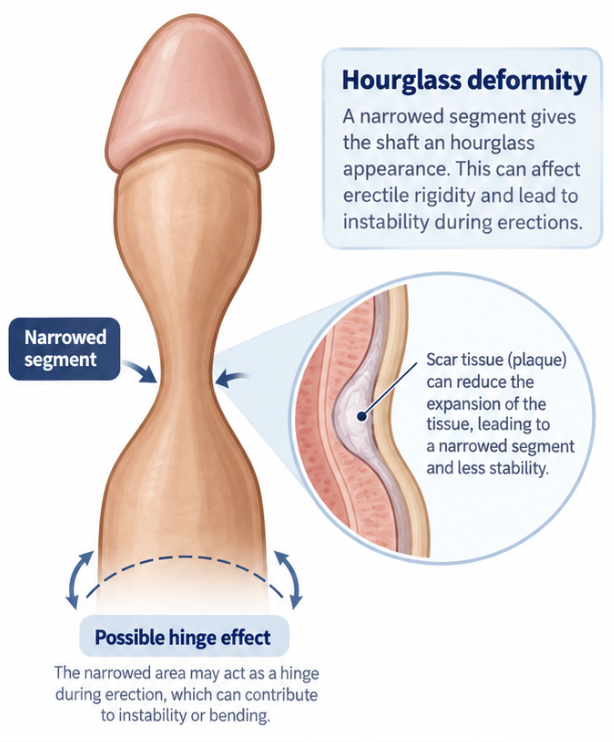
Penile shape + erectile function
Sometimes rigidity and penile shape need to be assessed together
Peyronie’s disease can cause curvature, narrowing or an hourglass deformity. In some men, structural change and erectile dysfunction occur together and may influence the treatment discussion.
Explore Peyronie’s diseaseYour assessment
What happens during an erectile dysfunction assessment?
The aim is to work out what is contributing to the problem before deciding which treatment options are reasonable to discuss.
Not every patient needs every investigation. Testing is guided by your symptoms, medical history, previous treatment and examination.
Request an AppointmentUnderstand the pattern
When the problem started, erection quality, morning or spontaneous erections, libido, ejaculation, previous treatment and the situations in which difficulty occurs.
Review your health
General health, cardiovascular risk factors, medications, previous pelvic or prostate treatment and relevant neurological or hormonal symptoms are considered.
Examination & selected tests
Examination and blood tests may be appropriate. Other investigations are considered only when they are likely to add useful information.
Discuss reasonable options
Management is matched to the likely cause, severity of the problem, previous treatment, general health and your priorities.
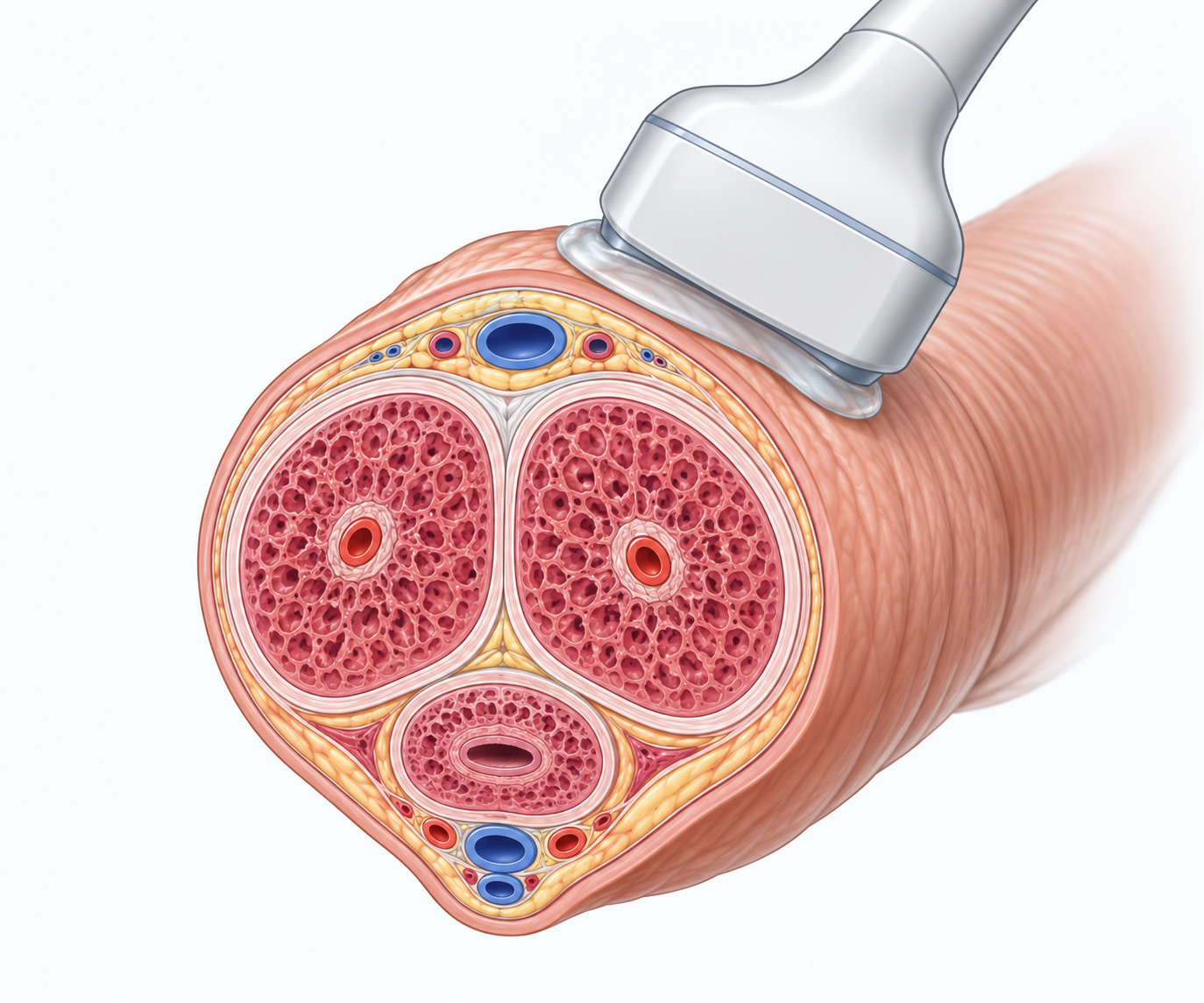
Selected investigation
Penile ultrasound and Doppler assessment are used selectively
Most men with erectile dysfunction do not require penile Doppler ultrasound. In selected situations, ultrasound assessment can add information about penile anatomy and vascular function when that information is likely to change the management discussion.
Investigation is guided by the clinical question rather than used routinely for every patient.
Treatment pathways
What treatments may be discussed?
Management is individual. Some men require only one approach, while others may consider different options over time.
Health & contributing factors
Cardiovascular risk, diabetes, smoking, sleep, weight, medication effects and psychological factors may be addressed where relevant.
Oral prescription treatment
Prescription medication may be considered for suitable patients after reviewing medical conditions, other medicines and potential contraindications.
ED tablets not working? See what happens nextVacuum erection devices
A vacuum device is a non-surgical option that may be used for sexual activity or in selected penile rehabilitation settings.
Penile injection therapy
Injection therapy may be discussed when oral treatment is unsuitable or has not provided adequate rigidity.
What if injections do not suit me?Hormonal treatment
Hormonal management is considered only when clinical assessment and appropriate testing identify a relevant hormonal problem.
Penile implant surgery
Implant surgery may be considered for appropriately selected men with significant erectile dysfunction after assessment and discussion of alternatives, risks and limitations.
Penile injection therapy
A direct treatment within the erectile tissue
Intracavernosal injection therapy may be considered when tablets are ineffective or unsuitable. Technique, dose, response and safety need to be taught and reviewed individually.
Read about penile injections for ED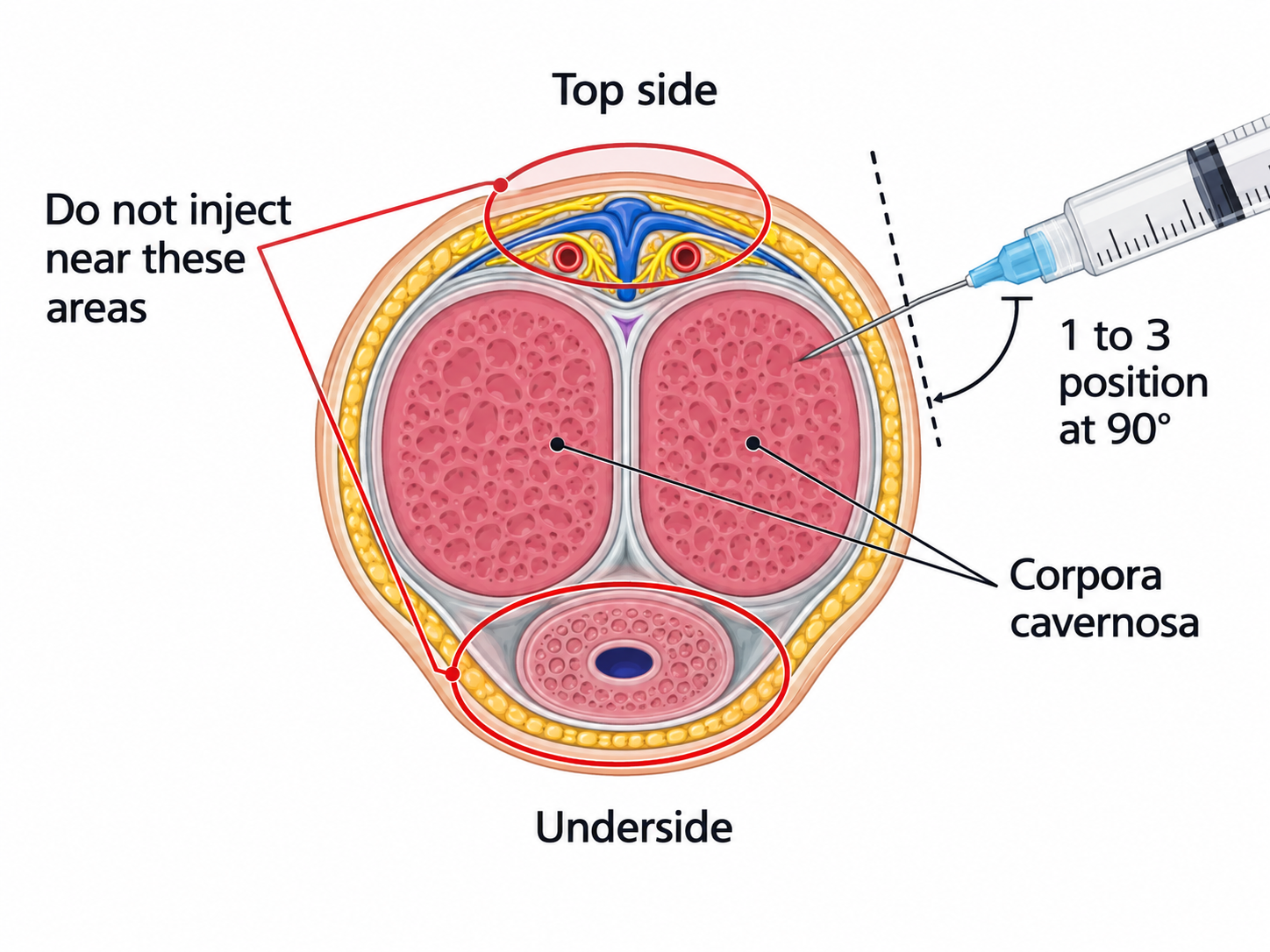
Prescription medicines and erectile dysfunction treatment may not be appropriate for everyone. In particular, some cardiovascular conditions and medicines can affect treatment safety. Individual medical review is important before starting or changing treatment.
After prostate cancer treatment
Erectile dysfunction after prostate treatment has its own pathway
Prostate surgery, radiotherapy and other prostate cancer treatments can affect erectile function in different ways. Recovery and treatment planning depend on the individual treatment history, baseline erections, nerve function, general health and response to rehabilitation or ED treatment.
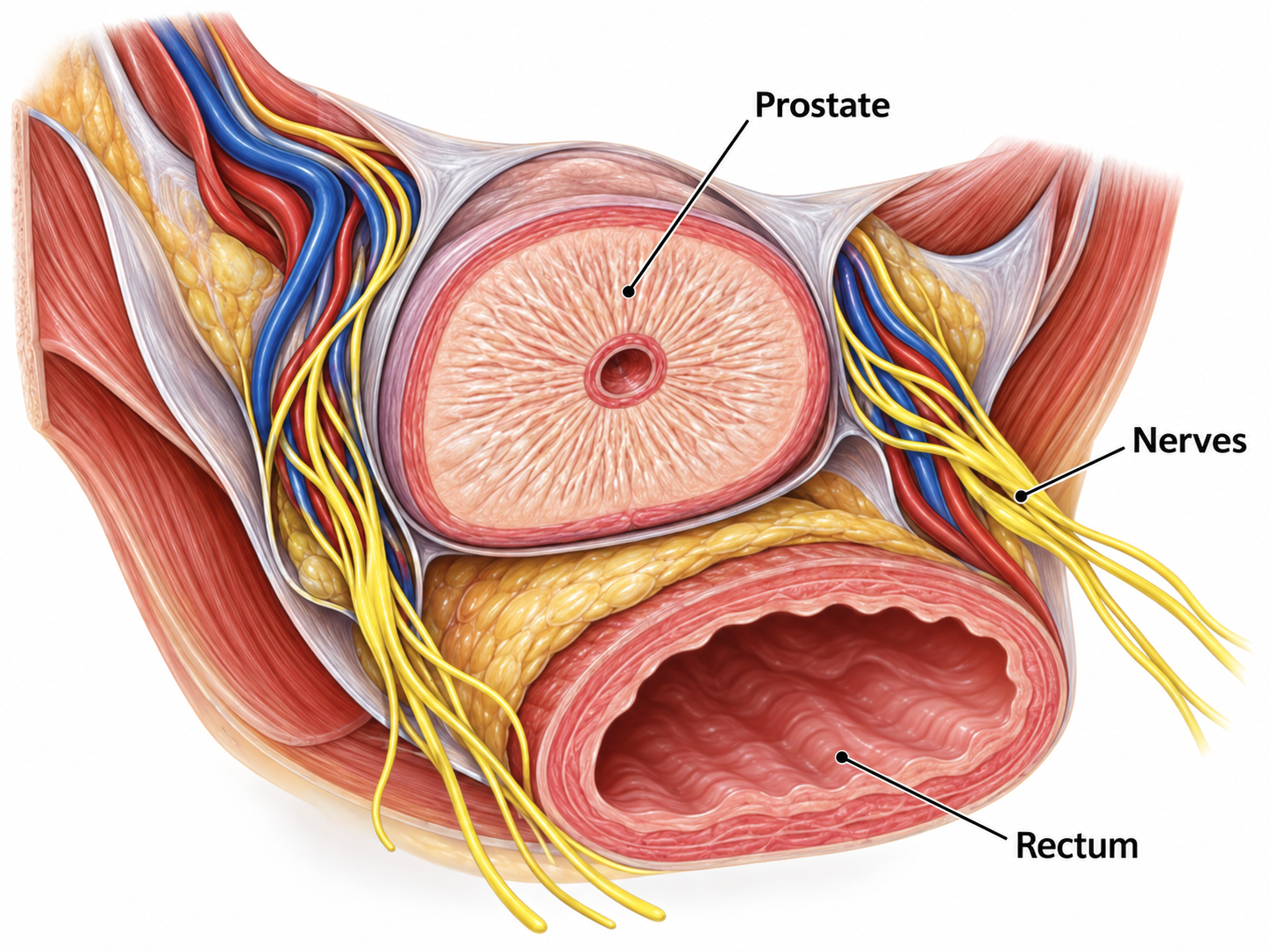
Why erections can change after surgery
The erectile nerves run immediately alongside the prostate
The neurovascular bundles involved in erectile function sit close to the prostate. Radical prostatectomy can therefore affect erections even when nerve-sparing surgery is technically possible. Recovery varies between individuals.
Read the radical prostatectomy ED guideErectile Dysfunction After Prostate Cancer Treatment
Understand erectile dysfunction after prostate surgery, radiotherapy or other prostate cancer treatment and how recovery and treatment pathways may differ.
Explore this pathwayErectile Dysfunction After Radical Prostatectomy
A focused guide to erection recovery, penile rehabilitation, tablets, vacuum therapy, injections and treatment escalation after radical prostatectomy.
Read the prostatectomy guidePenile Implant After Prostatectomy
Information for men with persistent erectile dysfunction after radical prostatectomy who are considering penile implant surgery, including timing, expectations and prior pelvic surgery.
Explore implant after prostatectomyPatient tool
Not sure what to discuss next?
The ED Assessment & Treatment Discussion Guide asks a small number of questions about your erection problem and highlights information that may be useful to discuss during a consultation.
It does not diagnose the cause of erectile dysfunction or recommend a particular treatment.
Open the ED Discussion Guide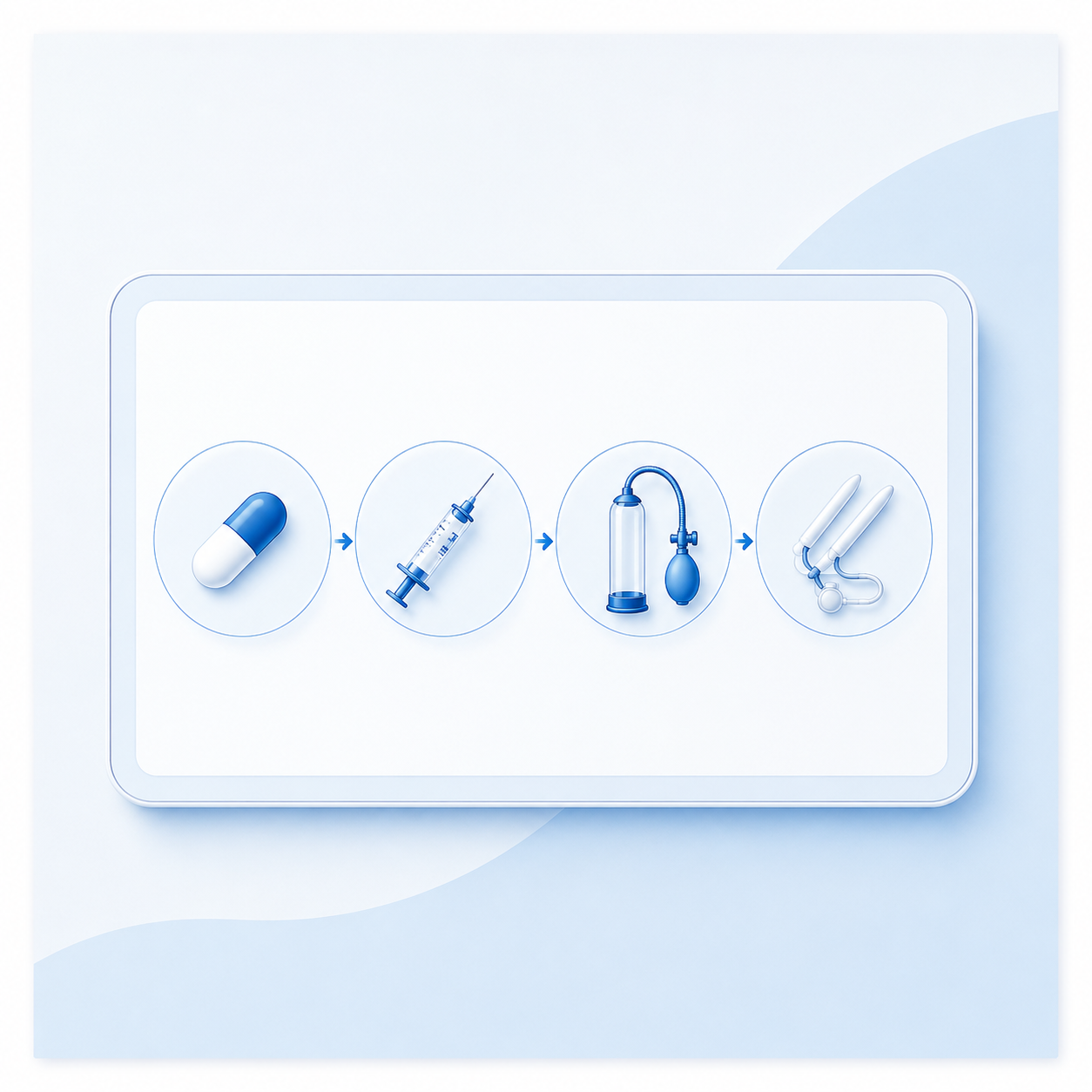

Specialist care
Erectile dysfunction assessment with Dr Jack Crozier
Dr Jack Crozier is a Brisbane urologist and fellowship-trained andrologist whose subspecialty practice includes erectile dysfunction, Peyronie’s disease, penile implant surgery and reconstructive andrology.
His advanced andrology fellowship at University College London Hospitals included penile prosthetic surgery, Peyronie’s disease surgery, male infertility and reconstructive andrology.
- FRACS-qualified Urological Surgeon
- Advanced Andrology Fellowship — UCLH, London
- Consultant Urologist — Princess Alexandra Hospital
- Brisbane, interstate and international patients
Frequently asked questions
Erectile dysfunction FAQs
Is erectile dysfunction a normal part of ageing?
Erectile dysfunction becomes more common with age, but persistent erection problems should not automatically be dismissed as normal. Assessment may identify vascular, metabolic, medication-related, hormonal, neurological, penile or psychological contributors.
Can erectile dysfunction be related to heart health?
Yes. In some men, erectile dysfunction can occur alongside cardiovascular risk factors or vascular disease. General health, blood pressure, diabetes, cholesterol and other risk factors may therefore form part of an assessment.
Does erectile dysfunction mean my testosterone is low?
Not necessarily. Testosterone is only one possible contributor. Hormonal testing is most useful when the history or symptoms suggest that a hormonal problem may be relevant.
If tablets have not worked, do I need a penile implant?
No. Previous treatment response is only one part of the decision. Depending on the individual situation, other non-surgical or surgical options may be considered before penile implant surgery.
Read: ED Tablets Not Working — What Happens Next?What if penile injections work but I do not want to keep using them?
Whether a treatment is acceptable and sustainable matters as well as whether it can produce an erection. Pain, dislike of needles, inconvenience, variable response or preference for a different approach may all be reasons to discuss alternatives.
Explore the injection pathwayWhen should a penile implant enter the discussion?
Implant surgery may reasonably enter the discussion when significant erectile dysfunction remains problematic despite appropriate non-surgical treatment, when those treatments are unsuitable or unacceptable, or when an appropriately counselled patient prefers a surgical pathway after understanding the alternatives, limitations and risks.
Read: When Should You Consider a Penile Implant?Is a penile implant better than penile injections?
Neither option is automatically better for every patient. Injection therapy avoids surgery but requires treatment before sexual activity. A penile implant requires an operation and provides mechanical rigidity without an injection before sex. Individual priorities and medical factors matter.
Compare penile implant and injection pathwaysWhat if I have erectile dysfunction and penile curvature?
Erectile function and penile deformity should be assessed together. Peyronie’s disease can affect penile shape and may influence which management pathways are reasonable to discuss.
Does erectile dysfunction after prostatectomy always recover?
Recovery varies considerably between patients. Baseline erectile function, age, nerve preservation, general health and the nature of treatment can influence recovery. Some men improve over time, while others require ongoing ED treatment.
Read about ED after radical prostatectomyCan a penile implant be considered after radical prostatectomy?
Penile implant surgery may be considered for selected men with persistent significant erectile dysfunction after prostatectomy when other treatments have not provided satisfactory function, are unsuitable or are not acceptable after appropriate counselling.
Explore penile implant after prostatectomyCan I start assessment if I live outside Brisbane?
For selected interstate and international patients, review of existing investigations and an initial consultation may be possible before travelling. Whether this is appropriate depends on the individual clinical situation.
Next step
Not sure why your erections have changed?
A structured assessment can help clarify the pattern of erectile dysfunction, possible contributing factors and which management options may be reasonable to discuss.
Medical information disclaimer: This page provides general educational information and does not provide individual medical advice, diagnosis or a treatment recommendation. Erectile dysfunction can have multiple causes and appropriate investigations and treatment vary between individuals. Prescription medicines, medical devices and surgical procedures have potential risks, contraindications and limitations that should be discussed during an individual consultation.
Do not start, stop or change prescribed medication based on information on this page. Seek urgent medical care for urgent or severe symptoms. An erection persisting for four hours or longer requires urgent medical assessment.