

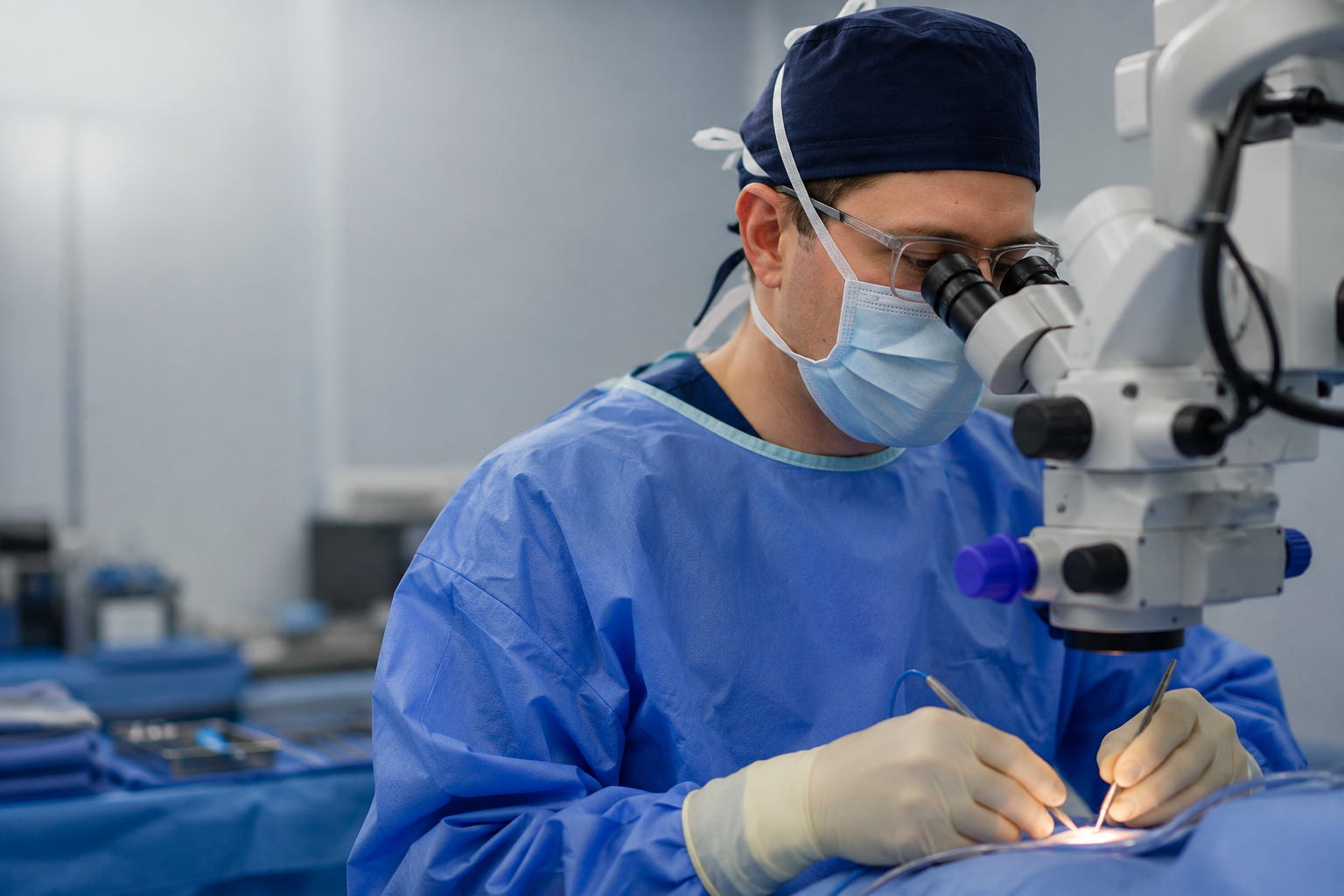
Penile Cancer Assessment & Management
Specialist assessment of suspected or confirmed penile cancer, including diagnosis, penile-preserving surgery, groin lymph-node staging and reconstruction where clinically appropriate.
Treatment is tailored to the location, depth and pathology of the tumour rather than assuming that every penile cancer requires the same operation.
A penile lesion does not automatically mean cancer
Many penile skin changes are caused by benign conditions. Persistent sores, growths, bleeding, unexplained colour or skin changes, or an abnormal biopsy should nevertheless be assessed appropriately.
Diagnosis should not be made from photographs or appearance alone. Examination and, where indicated, pathology are important before selecting treatment.
What can penile cancer look like?
Penile cancer can have several appearances, and benign conditions can sometimes look similar.
A sore that does not heal or repeatedly breaks down should be assessed.
A new raised, firm, warty or enlarging area on the glans, foreskin or penile skin.
Persistent thickening, redness, discolouration or another unexplained change.
Unexplained bleeding, discharge or an abnormality beneath the foreskin warrants review.
New or worsening phimosis can sometimes conceal an underlying lesion.
Enlarged lymph nodes in the groin require assessment when penile cancer is suspected or confirmed.
How is suspected penile cancer assessed?
Treatment should not be selected from appearance alone. Diagnosis, local tumour extent, pathology and the status of the groin lymph nodes can all change management.
Previous pathology, clinical photographs, imaging, operation reports and specialist correspondence can be useful when a diagnosis has already been made.

Examination
The penile lesion, foreskin, glans, surrounding genital tissue and both groins are assessed.
Biopsy & pathology
Tissue diagnosis may be required to confirm cancer and define pathological features that influence both penile and lymph-node treatment.
Local staging
Examination is central. MRI or ultrasound may be useful in selected situations when deeper invasion or the feasibility of organ-preserving surgery is uncertain.
Groin assessment
Both groins are examined and the need for surveillance, surgical staging or treatment is determined separately from the operation on the penis.
Explore the treatment pathway relevant to you
Penile cancer treatment is not one operation. These dedicated pages explain the major decisions in more detail.
Penile-Preserving Surgery
Understand when penile tissue may be preserved and how circumcision, local excision, resurfacing, glansectomy and more extensive surgery fit together.
- Which cancers may allow preservation?
- How tumour depth changes surgery
- When partial penectomy may still be necessary
Glans Resurfacing
Organ-preserving surgery for selected PeIN and superficial disease affecting the glans.
- Partial or total resurfacing
- Skin-graft reconstruction
- Final pathology and surveillance
Glansectomy & Neoglans Reconstruction
Selected invasive cancers confined to the glans can sometimes be treated while preserving the penile shaft.
- Partial versus total glansectomy
- Neoglans reconstruction
- Urination, erections and sensation
Groin Lymph Node Staging
Learn why normal-feeling groins can still require assessment and how sentinel-node staging differs from therapeutic lymph-node surgery.
- Clinically node-negative groins
- Dynamic sentinel node biopsy
- Inguinal and pelvic lymph-node pathways
Penile Cancer Reconstruction After Surgery
Reconstruction may be relevant after resurfacing, glansectomy, partial penile surgery or previous cancer treatment that has affected penile skin, the urethral opening, wound healing or function.
Does penile cancer always require removal of the penis?
No. When adequate cancer treatment can be achieved safely, penile-preserving treatment may be considered.
The operation generally becomes more extensive as disease extends from the penile surface into deeper structures.
PeIN & very superficial disease
Management can include circumcision, selected local treatments or surgical excision depending on the location, extent and previous treatment.
Extensive or recurrent PeIN involving the glans can sometimes be treated with resurfacing.
Glans resurfacing →Circumcision or local excision
Disease confined to the foreskin may sometimes be treated by circumcision.
Selected small cancers can be removed with an appropriate margin while preserving surrounding penile tissue.
Glansectomy
When cancer is too deep for surface treatment but remains confined to the glans, partial or total glansectomy may allow the penile shaft to be preserved.
Glansectomy & reconstruction →Partial or total penectomy
More extensive tumours may require removal of part of the penile shaft to achieve adequate cancer clearance.
Total penectomy is generally reserved for disease that cannot be treated adequately with a less extensive operation.
The groin lymph nodes need their own treatment plan
Penile cancer most commonly spreads first to the inguinal lymph nodes in the groin. Importantly, a normal-feeling groin does not completely exclude microscopic disease.
No suspicious nodes can be felt
Primary tumour pathology is used to estimate the risk of occult lymph-node spread.
Selected higher-risk tumours may require surgical staging, including dynamic sentinel node biopsy where appropriate expertise is available.
Enlarged or abnormal nodes
Suspicious nodes generally require targeted assessment and, where appropriate, image-guided tissue confirmation.
Confirmed nodal disease may require therapeutic inguinal lymph-node surgery and, in selected situations, pelvic or multimodal cancer treatment.
Cancer control comes first — but function also matters
When more than one oncologically appropriate treatment is available, the likely effects on urination, penile tissue, sexual function and reconstruction can also form part of decision-making.
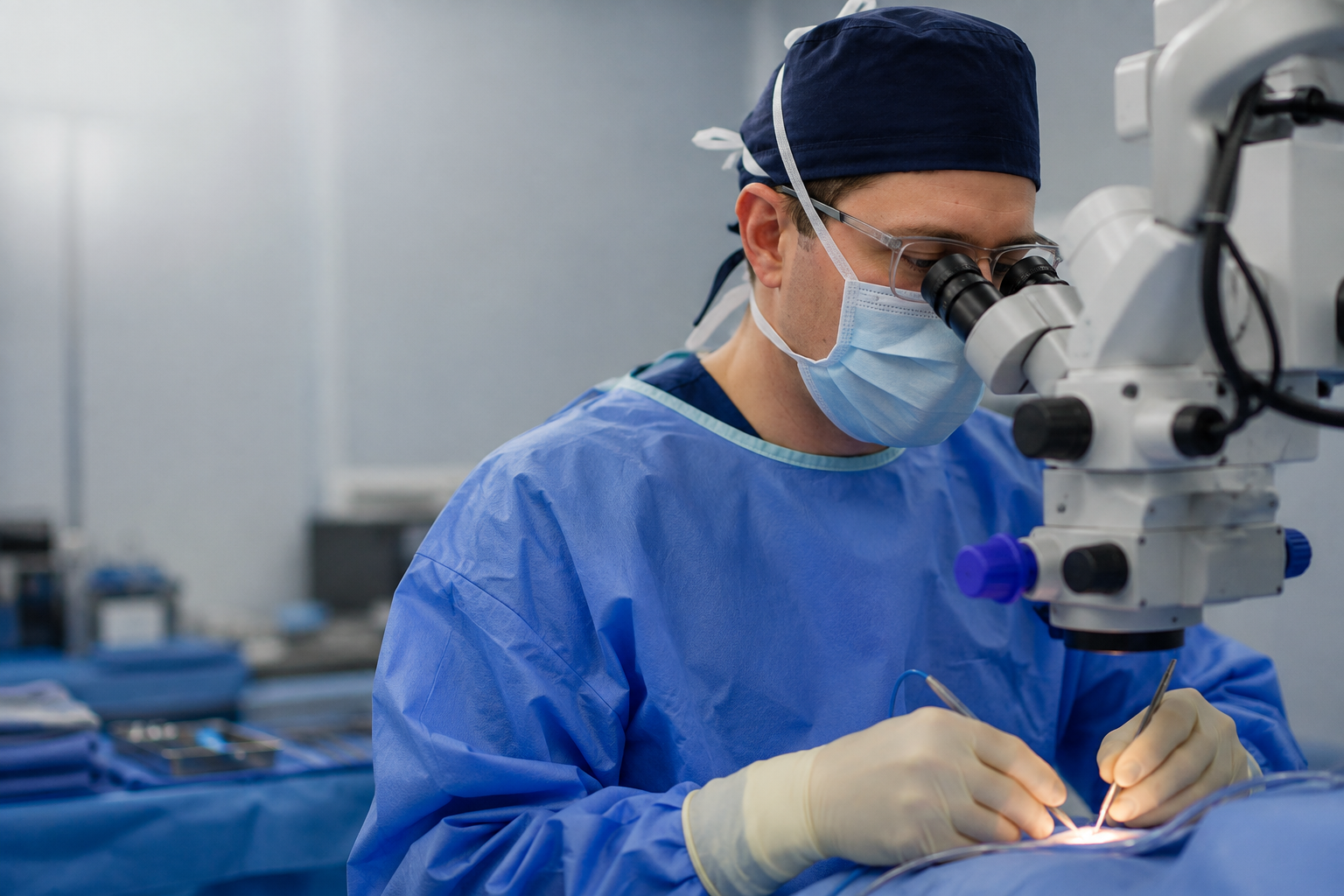
Penile tissue
Preservation of the glans or shaft can be considered when appropriate cancer treatment can still be achieved.
Urination
Treatment planning can consider the likely position of the urethral opening, urinary stream and risk of later narrowing.
Sexual function
Penile surgery can affect sensation, erections, penile length, penetration and sexual confidence to varying degrees.
When treatment involves more than penile surgery
Some patients have cancer involving the groin or pelvic lymph nodes, extensive local disease or disease elsewhere in the body.
These situations can require coordinated treatment involving urology, medical oncology, radiation oncology, radiology and pathology.
Depending on the stage and individual situation, management may involve:
- inguinal lymph-node surgery
- pelvic lymph-node treatment
- systemic anti-cancer therapy
- radiotherapy or chemoradiotherapy in selected circumstances
- combined or sequential treatment
Follow-up after penile cancer
Follow-up depends on the primary tumour, the treatment received, whether penile tissue was preserved and the lymph-node stage.
Penile examination
The treated area is reviewed for healing, recurrence, skin changes, scarring and urinary problems.
Groin surveillance
Follow-up of the inguinal lymph nodes is tailored to previous staging, pathology and treatment.
Function & reconstruction
Urination, sexual function, wound healing and reconstructive concerns can also be reviewed.
Travelling to Brisbane for a penile cancer opinion?
Patients who already have a diagnosis can provide relevant records before major travel arrangements are made where appropriate.
Useful information can include:
- penile biopsy or pathology reports
- previous operation reports
- CT, MRI, PET or ultrasound reports and images
- groin lymph-node biopsy results
- oncology correspondence
- previous specialist letters
An in-person examination or further investigations may still be required before a definitive treatment recommendation can be made.

Explore the penile cancer treatment cluster
Penile-Preserving Surgery
Compare the surgical options according to the location and depth of penile cancer.
Glans Resurfacing
Detailed information about surface-preserving surgery for PeIN and selected superficial disease.
Glansectomy & Neoglans Reconstruction
Learn about treatment of selected invasive cancers confined to the glans.
Groin Lymph Node Staging
Understand cN0 staging, sentinel-node biopsy and therapeutic groin surgery.
Penile Cancer Reconstruction
Learn about skin grafting, neoglans reconstruction, urinary reconstruction and revision after cancer surgery.
Penile & Testicular Cancer Hub
Return to the broader specialist cancer pathway.
Questions about penile cancer
Does every penile lesion need a biopsy?
No. Investigation depends on the appearance and possible diagnosis. Biopsy is particularly important when malignancy is suspected, the diagnosis is uncertain or pathology is needed to determine treatment.
Does penile cancer always mean part of the penis must be removed?
No. Selected superficial and localised penile cancers can sometimes be treated with circumcision, local excision, glans resurfacing, glansectomy or another penile-preserving approach. Deeper or more extensive cancer may require partial or total penectomy.
What is penile-preserving surgery?
Penile-preserving surgery describes treatments that aim to remove or appropriately control the cancer while retaining uninvolved penile tissue when this can be achieved without compromising cancer treatment.
What is glans resurfacing?
Glans resurfacing removes abnormal surface tissue while preserving the deeper glans. A graft is commonly used to reconstruct the exposed surface.
What is a glansectomy?
Glansectomy removes part or all of the glans. Selected cancers confined to the glans can sometimes be treated this way while retaining the penile shaft.
Why are the groin lymph nodes important?
Penile cancer most commonly spreads first to the inguinal lymph nodes. Tumour pathology and groin findings determine whether surveillance, surgical staging or treatment should be considered.
Can scans exclude microscopic cancer in normal-feeling groin nodes?
Routine imaging cannot reliably exclude very small microscopic nodal deposits when the groins are clinically normal. Higher-risk primary tumours can therefore require a separate surgical staging pathway.
Can reconstruction be performed after penile cancer surgery?
Potentially. Reconstruction can range from skin grafting and neoglans reconstruction to urethral, scar or more complex genital reconstruction depending on the tissue removed and previous treatment.
Can penile cancer come back after penile-preserving treatment?
Yes. Local recurrence can occur in retained penile tissue. Appropriate surveillance is therefore particularly important after organ-preserving treatment.
Is it reasonable to seek another opinion before major penile cancer surgery?
A further specialist opinion can be reasonable where available treatment options have substantially different implications for cancer treatment, penile preservation, lymph-node management, urinary function or reconstruction.
Can I be assessed if I live interstate or overseas?
Potentially. Existing pathology, imaging, operation reports and specialist correspondence can often be reviewed as part of preliminary planning. Further examination or staging may still be necessary before treatment can be confirmed.

Dr Jack Crozier
Dr Jack Crozier is a Brisbane urologist with advanced fellowship experience in uro-oncology, andrology and reconstructive urology.
His practice includes penile cancer, penile-preserving surgery, testicular and paratesticular tumours and complex genital reconstruction. Treatment planning considers cancer management together with urinary, sexual and reconstructive implications where relevant.
Concerned about a penile lesion or already have a diagnosis?
Assessment can help clarify the diagnosis, local extent of disease, groin lymph-node pathway and whether penile-preserving surgery, reconstruction or a more extensive cancer treatment plan should be considered.
Medical information disclaimer: This page provides general educational information and does not replace individual medical advice, diagnosis, multidisciplinary cancer review or informed consent. A website cannot determine whether a penile lesion is cancer or which treatment is appropriate. Management depends on clinical examination, pathology, tumour location and depth, disease stage, groin lymph-node findings, previous treatment, general health and individual circumstances. Penile-preserving surgery, reconstructive surgery, lymph-node surgery and other cancer treatments have potential benefits, limitations and risks that require individual assessment. Seek urgent medical attention for severe bleeding, rapidly worsening infection, severe pain or significant deterioration in your condition.