

Vasectomy in Brisbane
A permanent contraceptive procedure that interrupts the tubes carrying sperm from the testicles.
Understand how vasectomy works, what to expect from surgery and recovery, why semen testing afterwards is essential, and what fertility options may remain if circumstances change in the future.
A vasectomy is not immediately effective
Sperm can remain within the reproductive tract after surgery. Continue alternative contraception until your post-vasectomy semen analysis has been completed and you have been advised that contraception can be stopped.
What does a vasectomy actually change?
Vasectomy prevents sperm travelling from the testicles into the semen. It does not remove the testicles and ordinarily does not alter testosterone production, erections or orgasm.
Sperm pathway
Each vas deferens is divided and occluded so sperm can no longer reach the ejaculate.
Sexual function
Vasectomy does not normally alter libido, erections or orgasm because testosterone production and erectile anatomy are not removed.
Ejaculation
Most semen comes from the prostate and seminal vesicles. The appearance and volume of ejaculation therefore usually change very little.

Think of vasectomy as permanent
Vasectomy is most appropriate when you are comfortable that you do not wish to conceive biological children naturally in the future.
Circumstances can change over time. Relationships, family plans and reproductive goals may be different several years after surgery.
Vasectomy reversal is possible in selected men, but it cannot guarantee return of sperm or future pregnancy. Reversal should therefore not be treated as a simple backup plan when deciding whether to have a vasectomy.
How does a vasectomy work?
There are two vas deferens — one from each testicle. These small muscular tubes transport sperm from the testicle towards the urethra.
During vasectomy each vas is identified through a small scrotal opening. It is divided and occluded using the planned surgical technique.
The testicles remain in place and continue producing testosterone. Sperm production may also continue, but sperm can no longer pass normally into the ejaculate.
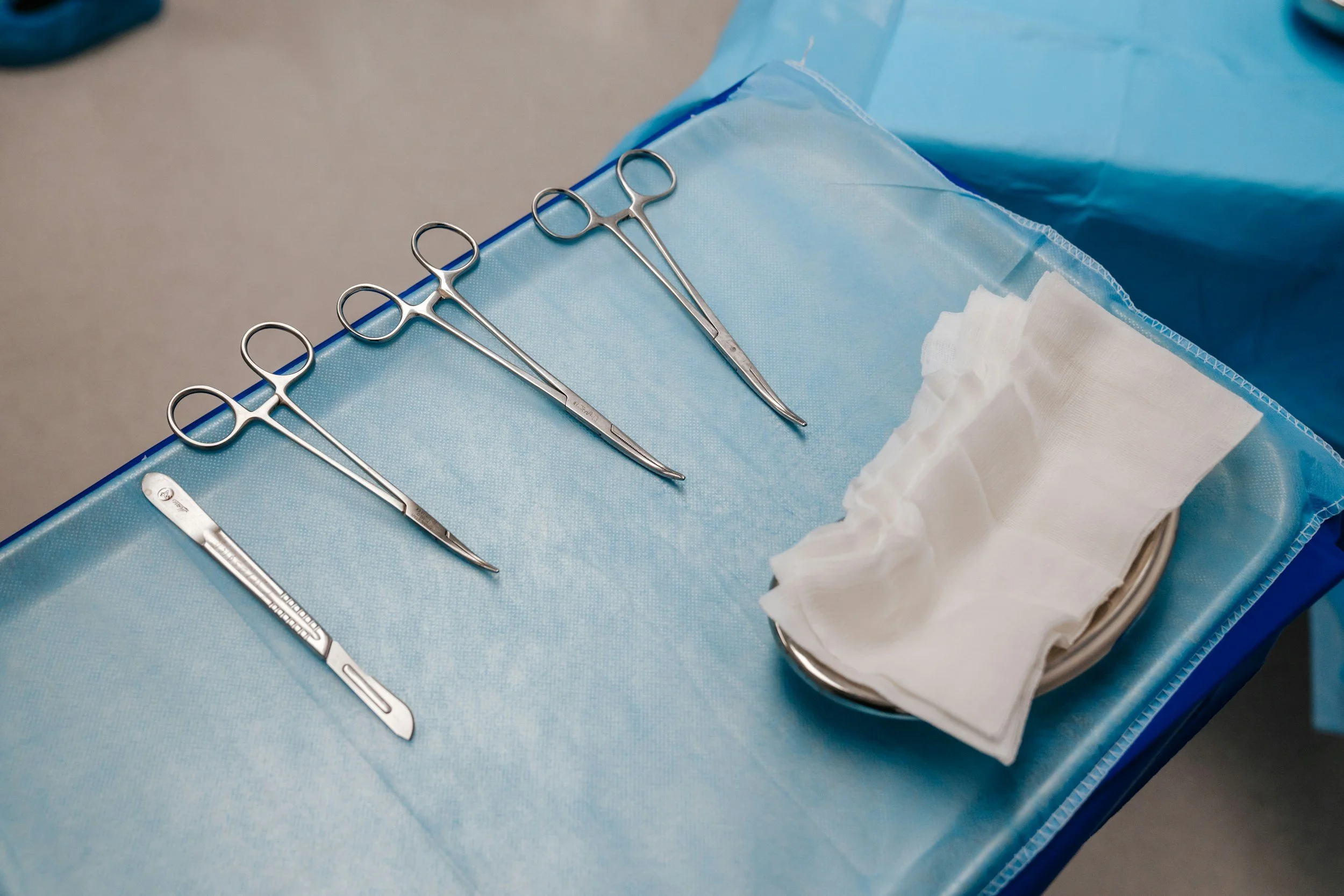
Your vasectomy journey
Individual instructions vary according to your medical history, surgical setting and recovery.
Consultation
Review your medical history, fertility plans, previous surgery, medications and expectations.
Vasectomy
Each vas deferens is identified, divided and occluded.
Recovery
Short-term tenderness, bruising and swelling can occur.
Continue contraception
A vasectomy does not make you immediately infertile.
Semen test
Post-vasectomy semen analysis determines whether sperm remain in the ejaculate.
Vasectomy involves more than the operation itself
Good vasectomy care includes appropriate preparation, postoperative recovery and confirmation of the result with semen testing.

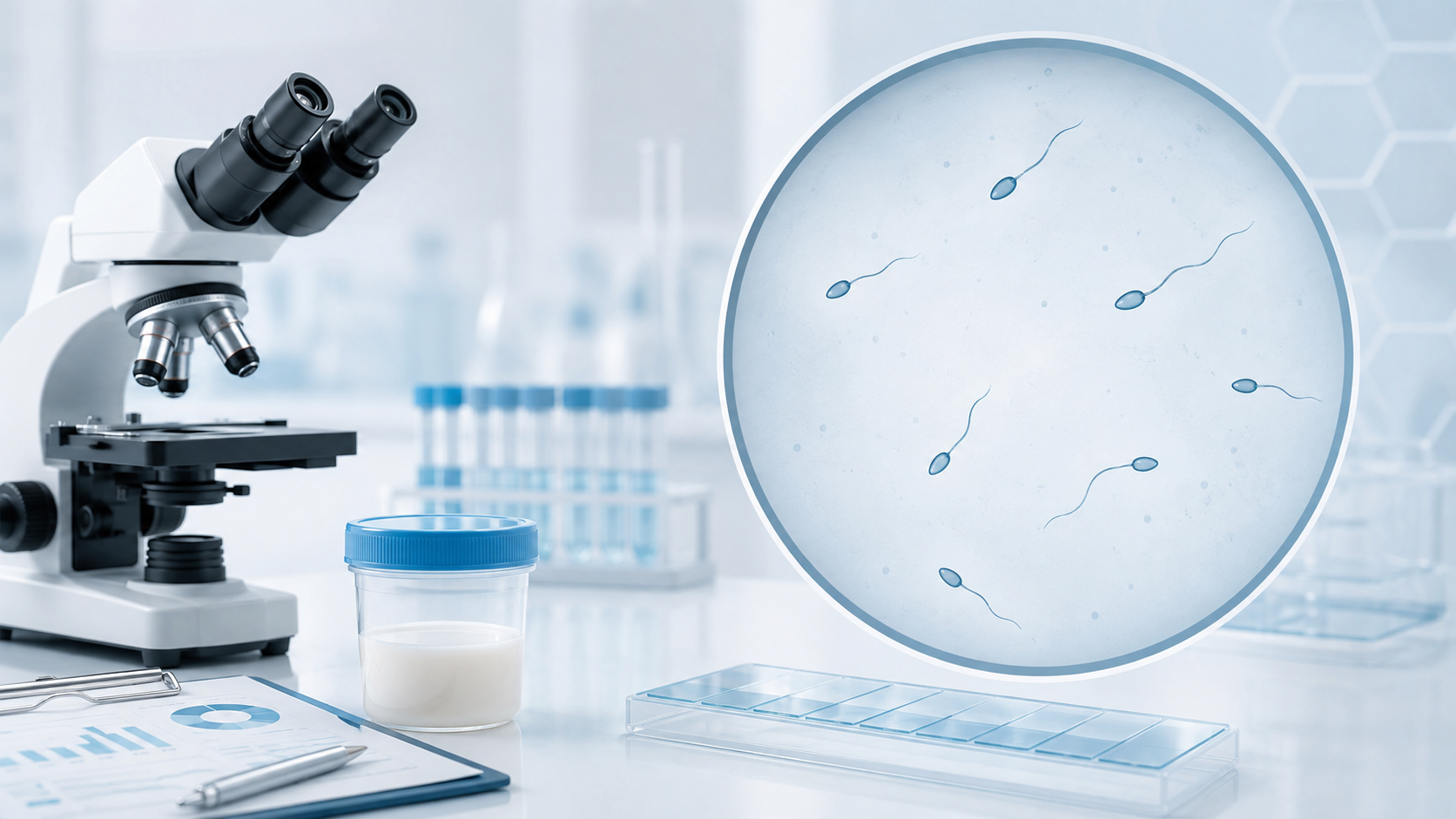
The semen test is an essential part of vasectomy care
Sperm already present beyond the vasectomy site can remain in the reproductive tract after surgery.
A semen analysis is therefore arranged later to determine whether sperm remain.
Testing is commonly arranged at approximately three months, although you should follow the timing and laboratory instructions provided specifically to you.
Continue alternative contraception until you have been advised it is safe to stop.
What should I expect during recovery?
Some scrotal tenderness, bruising and swelling can occur following vasectomy and usually improve with time.
Specific advice regarding showering, supportive underwear, exercise, work, sexual activity and pain relief will depend on your procedure and individual circumstances.

Possible risks and limitations
Vasectomy is commonly performed, but all surgical procedures carry potential risks and no contraceptive procedure has a zero failure rate.
Bruising & swelling
Temporary scrotal bruising, swelling and tenderness can occur after surgery.
Bleeding or haematoma
More significant bleeding can occasionally result in a collection of blood within the scrotum.
Infection
Infection of the wound or surrounding tissues can occur.
Sperm granuloma
A small inflammatory lump can form around sperm leaking from the divided vas.
Persistent pain
A small proportion of men can develop ongoing scrotal discomfort after vasectomy.
Failure or recanalisation
Rarely, the pathway remains open or reconnects. This is one reason post-vasectomy semen testing is important.
What vasectomy does not usually change
Testosterone
Vasectomy does not remove the testicles, so testosterone production continues.
Erections
The procedure does not interrupt the penile blood vessels or nerves responsible for erections.
Orgasm & ejaculation
Orgasm continues and semen is still produced. Sperm account for only a small proportion of ejaculate volume.
What if I want children after vasectomy?
Vasectomy should be approached as permanent contraception. However, reproductive options may exist if your circumstances change later.
Vasectomy reversal
Microsurgical reconstruction can reconnect the sperm pathway in selected men and may allow sperm to return to the semen.
Explore Vasectomy Reversal →Sperm retrieval + IVF/ICSI
Sperm can sometimes be obtained directly from the epididymis or testicle for assisted reproductive treatment.
Explore Sperm Retrieval →
Vasectomy within a broader reproductive-urology service
Dr Jack Crozier is a Brisbane urologist and fellowship-trained andrologist with a subspecialty practice in male reproductive medicine and reproductive surgery.
This allows discussions around permanent contraception to also consider future fertility preservation, vasectomy reversal and sperm retrieval where those issues are relevant.
Frequently asked questions
Is a vasectomy immediately effective?
No. Residual sperm remain within the reproductive tract after the procedure. Continue alternative contraception until semen testing has been completed and you have been advised that contraception can be stopped.
When is semen testing performed after vasectomy?
Testing is commonly arranged at approximately three months after the procedure. Follow the specific timing and laboratory instructions provided to you.
Does vasectomy reduce testosterone?
No. The testicles remain in place and continue producing testosterone.
Will I still ejaculate after vasectomy?
Yes. Most seminal fluid comes from the prostate and seminal vesicles rather than sperm from the testicles, so ejaculation generally appears essentially unchanged.
Can vasectomy cause erectile dysfunction?
Vasectomy does not interrupt the penile blood supply or erectile nerves and is not expected to cause erectile dysfunction.
Can a vasectomy fail?
Although uncommon, persistent sperm or reconnection of the sperm pathway can occur. This is one reason semen testing after surgery is important.
Can a vasectomy be reversed?
Microsurgical vasectomy reversal is possible in selected men, but return of sperm and future pregnancy cannot be guaranteed.
What if I am unsure whether I want more children?
If there is meaningful uncertainty about future biological parenthood, delaying permanent contraception and discussing alternatives is reasonable.
Does vasectomy protect against sexually transmitted infections?
No. Vasectomy is a contraceptive procedure and does not provide protection against sexually transmitted infections.
Considering permanent male contraception?
A consultation can clarify the procedure, recovery, post-vasectomy semen testing, risks and future fertility considerations before you make a permanent decision.