

Urinary Incontinence After Prostate Radiotherapy
Urinary leakage after prostate radiotherapy can have more than one cause. Stress incontinence, bladder urgency, radiation-related bladder changes and urethral narrowing can occur alone or together.
The treatment pathway therefore starts by identifying which problem is causing the leakage — particularly in men who have had both prostate surgery and radiotherapy.

Why can urinary leakage occur after prostate radiotherapy?
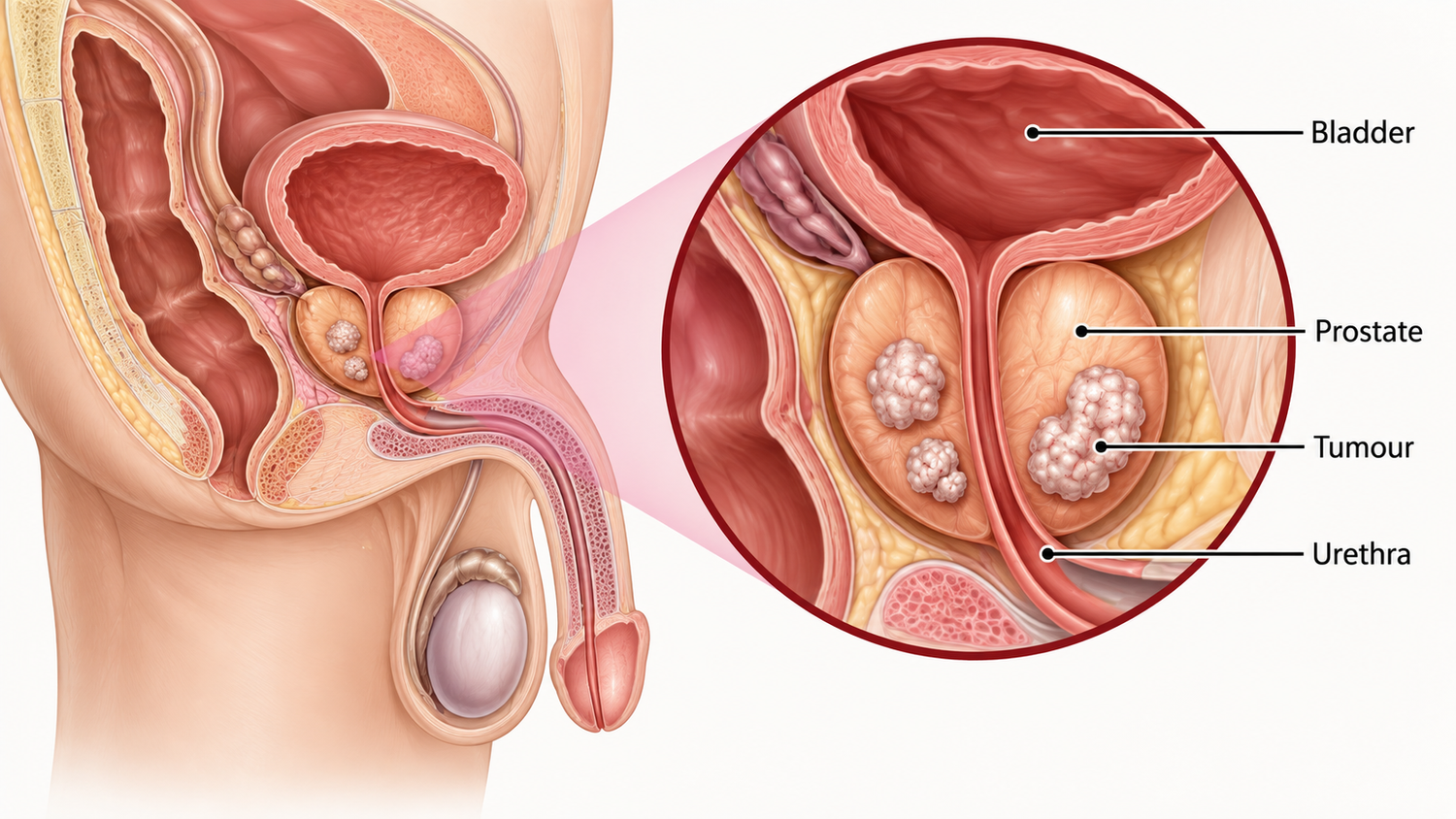
Radiotherapy treats prostate cancer by delivering energy to the prostate or prostate bed. Nearby structures can also be affected, including the bladder outlet, urinary sphincter, urethra and bladder.
Radiation can produce inflammation, fibrosis and changes in tissue elasticity and blood supply. These effects can alter bladder storage, urinary sphincter function or urethral calibre.
The situation is particularly important after radical prostatectomy followed by adjuvant or salvage radiotherapy, because continence mechanisms may already have been altered by surgery before radiation is given.
What type of urinary problem is present?
Symptoms after radiotherapy can overlap. Some represent true sphincter-related stress incontinence, while others reflect bladder or urethral problems.
Leakage with activity
Urine loss with coughing, standing, lifting, walking or exercise suggests stress urinary incontinence from inadequate outlet resistance.
Sudden urgency and accidents
Urgency, frequency and leakage before reaching the toilet may reflect bladder overactivity or radiation-related storage dysfunction.
Stress + urgency
Some men have both sphincter weakness and bladder urgency. Treating only one component may leave the other symptoms unchanged.
Weak flow or difficulty emptying
Radiation can contribute to urethral or bladder-neck narrowing. Obstruction should be recognised before continence surgery.
Blood, pain or irritation
Haematuria, bladder pain and irritative urinary symptoms can occur with radiation-related bladder disease and warrant appropriate assessment.
Leakage during orgasm
Climacturia can coexist with broader post-treatment continence problems and should be considered separately from everyday stress leakage.

How severe is the urinary leakage?
If the main problem is stress urinary incontinence, its severity helps guide treatment.
Assessment may consider daily pad use, pad saturation, leakage during physical activity, night-time symptoms and the effect on work, exercise and quality of life.
Formal pad-weight testing can sometimes add useful objective information.
How is incontinence after radiotherapy assessed?
Define the leakage pattern
Stress leakage, urgency leakage, climacturia and continuous leakage are considered separately.
Review cancer treatment
It matters whether radiation was the primary prostate treatment or was given after radical prostatectomy as adjuvant or salvage therapy.
Assess severity
Pad use, activity-related leakage and overall bother help quantify stress incontinence.
Assess the urethra and bladder neck
Cystoscopy can identify stenosis, stricture, radiation-related tissue changes and other pathology relevant to surgery.
Evaluate bladder function when needed
Urodynamic testing may be useful when urgency, impaired storage, poor emptying or the cause of leakage remains uncertain.

What treatments are available?
The best treatment depends on whether the main problem is stress urinary incontinence, urgency, obstruction, radiation-related bladder dysfunction or a combination.
Pelvic-floor treatment
Pelvic-floor muscle training may help optimise sphincter and pelvic-floor control, particularly when stress leakage is present.
Treat urgency separately
Bladder training and bladder-directed medication may be appropriate where urgency or overactive-bladder symptoms are important contributors.
Address urethral narrowing
Significant urethral stricture or bladder-neck stenosis should generally be addressed before definitive anti-incontinence surgery is planned.
Artificial urinary sphincter
AUS is the principal surgical option to discuss when bothersome stress urinary incontinence persists following prostate radiotherapy.
Male sling
Sling surgery is generally less favoured after radiotherapy because outcomes are poorer than in non-radiated men.
Continence products
Pads and other continence products may remain appropriate during assessment, conservative treatment or when surgery is not desired.
Artificial urinary sphincter after radiotherapy
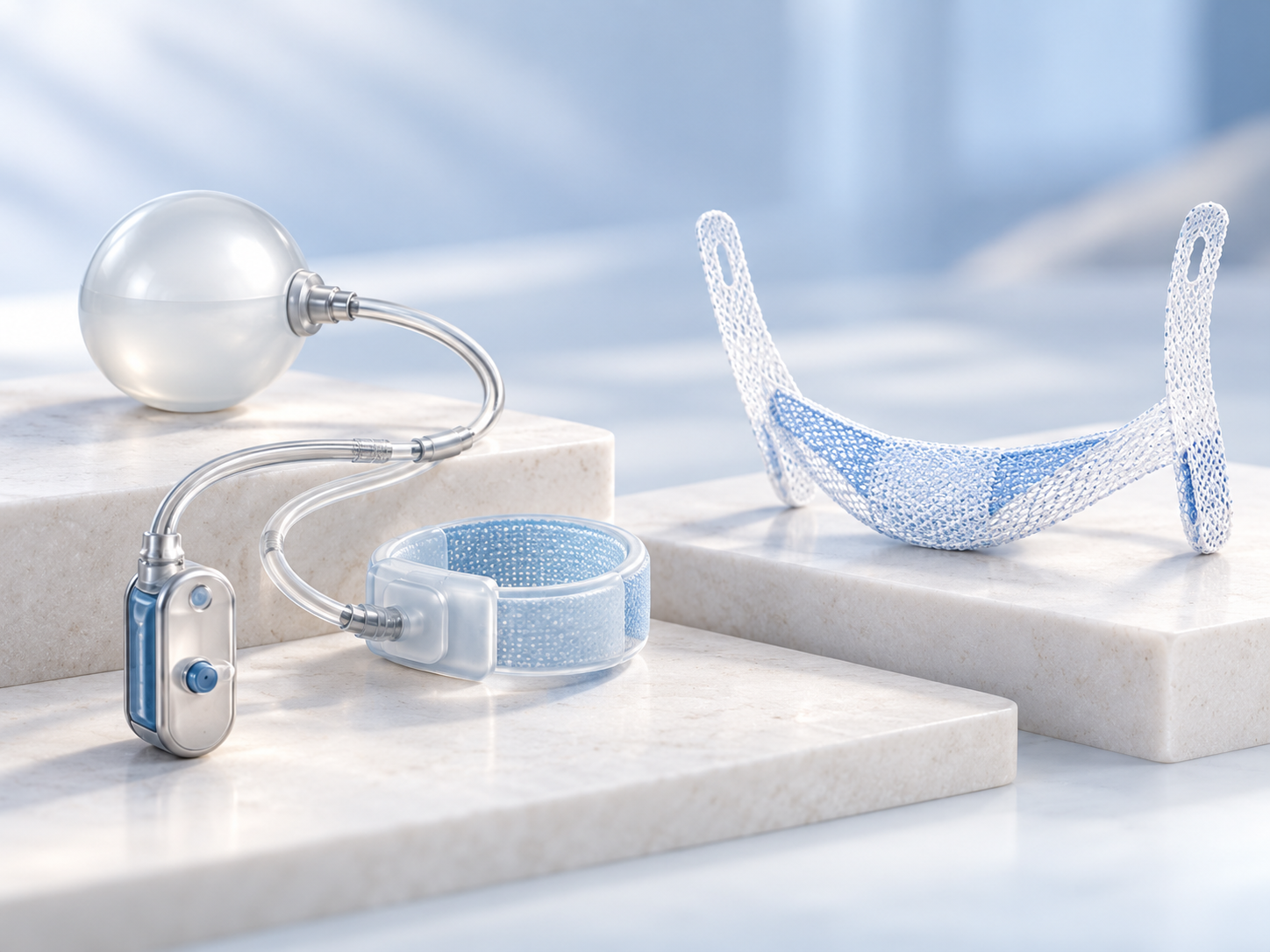
When a man with stress urinary incontinence after primary, adjuvant or salvage prostate radiotherapy is seeking surgical treatment, an artificial urinary sphincter is generally preferred over a male sling.
The device uses a fluid-filled cuff around the urethra. A small pump in the scrotum allows the cuff to open temporarily when the patient wants to urinate.
Previous radiation does not prevent AUS surgery, but it changes the risk profile.
Can a male sling be used after radiotherapy?
Previous pelvic radiotherapy is associated with poorer male sling outcomes compared with otherwise similar non-radiated patients.
For this reason, current guideline-based treatment generally favours an artificial urinary sphincter when a radiated man requires surgery for stress urinary incontinence.
There may be highly selected situations in which sling surgery is discussed — for example where leakage is limited, urethral and bladder assessment is favourable and AUS operation is not preferred or practical.
How does radiotherapy affect continence surgery?
Tissue quality
Radiation can cause fibrosis and reduced tissue vascularity, which may alter healing and long-term urethral resilience.
AUS erosion risk
Previous radiotherapy is associated with a higher risk of AUS complications and revision, particularly urethral erosion.
Sling effectiveness
Radiation is associated with lower sling effectiveness and an increased likelihood of treatment failure.
Urethral stenosis
Radiation-related urethral or bladder-neck narrowing may need treatment before continence surgery can safely proceed.
Bladder dysfunction
Urgency, reduced storage capacity or altered bladder compliance may affect both symptoms and expectations after outlet surgery.
Longer-term surveillance
Implant surgery in radiated tissue should be viewed as a long-term treatment pathway in which future reassessment or revision may be required.
Primary radiotherapy vs surgery followed by radiotherapy
Radiation without prostatectomy
Urinary symptoms may relate more to bladder urgency, radiation cystitis, urethral narrowing or other radiation-related changes.
True stress urinary incontinence can occur, but the mechanism should be confirmed before continence surgery is considered.
Prostatectomy followed by radiotherapy
Radical prostatectomy already changes urinary sphincter anatomy. Subsequent adjuvant or salvage radiotherapy can further alter periurethral and bladder tissues.
This combination is particularly relevant when assessing persistent stress incontinence and planning AUS surgery.
When should urinary symptoms after radiotherapy be reviewed?
Blood in the urine
Visible haematuria after prostate cancer treatment should not simply be assumed to be caused by radiotherapy and may require investigation.
Progressive weak urinary flow
Increasing difficulty passing urine may indicate urethral or bladder-neck narrowing.
Increasing pad use
Worsening leakage deserves reassessment rather than assuming it represents an inevitable consequence of cancer treatment.
Pain, infection or retention
Painful urination, recurrent infection or inability to empty the bladder requires appropriate medical review.

Treatment should focus on the problem that matters to you
Some men are most troubled by exercise-related leakage. Others are limited by urgency, frequent toilet access, pad dependence, haematuria or a combination of symptoms.
The objective of assessment is not simply to identify whether radiation occurred, but to determine which current urinary problem is limiting quality of life and which treatments are realistically likely to improve it.
Related information
Incontinence after radiotherapy FAQ
Can prostate radiotherapy cause urinary incontinence?
Yes. Urinary symptoms after radiotherapy can include stress incontinence, urgency, frequency and other bladder or urethral problems. The mechanism should be identified before treatment is selected.
Why does radiotherapy affect the urinary system?
The prostate, bladder outlet, urethra and urinary sphincter are anatomically close together. Radiation can lead to inflammation, fibrosis and changes in tissue elasticity or blood supply in these areas.
Can urinary leakage develop after prostate surgery and salvage radiotherapy?
Yes. Radical prostatectomy alters the continence mechanism, and subsequent radiotherapy can further change periurethral and bladder tissues. Both treatments are relevant when assessing later urinary leakage.
What operation is usually preferred after radiotherapy?
For men with bothersome stress urinary incontinence after primary, adjuvant or salvage prostate radiotherapy who are seeking surgery, an artificial urinary sphincter is generally preferred over a male sling.
Can I have an artificial urinary sphincter after radiotherapy?
Yes. Previous radiotherapy does not automatically prevent AUS implantation. However, radiation increases the risk of complications such as urethral erosion and future revision, which should be discussed before surgery.
Can I have a male sling after radiotherapy?
Sling surgery may occasionally be discussed in highly selected men, but previous radiotherapy is associated with poorer sling outcomes. AUS is generally preferred when a radiated patient requires surgical treatment of stress urinary incontinence.
Does an artificial urinary sphincter treat urgency?
No. AUS surgery primarily treats stress urinary incontinence caused by inadequate outlet resistance. Urgency and bladder overactivity may require separate bladder-directed treatment.
Why might I need cystoscopy before continence surgery?
Cystoscopy can assess the urethra and bladder neck for narrowing, radiation-related tissue changes or other abnormalities that may influence continence surgery.
Does blood in the urine after radiotherapy need investigation?
Visible blood in the urine should be appropriately evaluated rather than automatically attributed to previous radiotherapy, because other urinary-tract causes can also produce haematuria.
Urinary leakage after radiotherapy needs the right diagnosis before the right operation
Stress incontinence, urgency, radiation-related bladder dysfunction and urethral narrowing can produce similar symptoms but require different treatment pathways.
If stress urinary incontinence is confirmed and surgery is being considered, previous radiotherapy becomes an important part of deciding whether an artificial urinary sphincter is appropriate.
Medical information: This page provides general educational information and does not diagnose the cause of urinary leakage or recommend a particular treatment for an individual patient. Treatment after prostate radiotherapy depends on the type and severity of incontinence, previous prostate surgery, radiation treatment, bladder and urethral function, previous urinary procedures, general health and individual priorities.
Surgical outcomes and risks vary. Previous pelvic radiation can affect both treatment success and complication risk. Individual benefits, limitations, alternatives and potential complications should be discussed as part of specialist assessment and informed consent.