

Urine Leakage After Prostatectomy — Post-Prostatectomy Incontinence
Urinary leakage is common after radical prostatectomy and often improves as the urinary sphincter and pelvic-floor system recover.
When leakage remains bothersome, the important questions are what type of incontinence is present, whether recovery is continuing, how severe the leakage is and whether another bladder or urethral problem is contributing.

Why does urine leak after prostatectomy?
During radical prostatectomy the prostate is removed and the bladder is reconnected to the urethra.
This changes the anatomy of the bladder outlet and places greater reliance on the remaining urinary sphincter and pelvic-floor muscles for continence.
In the early postoperative period, healing, temporary weakness and altered muscle coordination can all contribute to urinary leakage.
Continence often improves as recovery progresses. In some men, however, sphincter-related leakage remains significant and persistent.
How long does incontinence last after prostatectomy?
Continence is usually not immediate after catheter removal. Recovery varies considerably between men.
Improvement commonly occurs over the first several months and may continue during the first year after surgery.

Leakage can be substantial initially and pads are commonly required.
Many men notice progressive improvement in pad use and activity-related leakage.
If bothersome stress leakage is not improving despite appropriate conservative management, further treatment can be discussed.
Persistent bothersome stress incontinence should prompt discussion of surgical treatment options.

What type of incontinence do you have?
Identifying when leakage occurs is important because sphincter-related stress incontinence and bladder urgency are different problems.
Some men have one predominant pattern. Others have mixed symptoms.
Stress urinary incontinence
Leakage occurs with standing, walking, coughing, lifting, exercise or other increases in abdominal pressure.
Urgency incontinence
Leakage follows a sudden compelling need to urinate and may occur with frequency or difficulty delaying urination.
Mixed incontinence
Some men have both stress leakage and bladder urgency. Treating the urinary outlet does not automatically treat urgency symptoms.
Pelvic-floor exercises after prostatectomy
Pelvic-floor muscle training is commonly used during early continence recovery after radical prostatectomy.
The goal is to improve recruitment and coordination of the muscles supporting urinary sphincter function.
Technique matters. Simply performing very large numbers of contractions does not necessarily mean the correct muscles are being used.


What should be assessed when leakage persists?
Leakage pattern
Stress leakage, urgency leakage and leakage associated with sexual activity should be distinguished.
Severity
Pad number, how wet the pads become and the activities that trigger leakage help quantify the problem.
Recovery trajectory
Continued improvement is different from continence that has remained unchanged for several months.
Previous treatment
Radiation, bladder-neck narrowing, urethral stricture and previous continence surgery can influence planning.
Bladder and urethral function
Flow testing, residual urine, cystoscopy or urodynamics may be useful in selected situations.
What treatments are available?
Treatment ranges from conservative continence rehabilitation during recovery through to surgery when persistent sphincter-related stress leakage remains sufficiently bothersome.
Pelvic-floor rehabilitation
Pelvic-floor muscle training and specialist physiotherapy can support continence recovery.
Continence products
Pads and protective underwear can allow normal activity while recovery continues.
Bladder-directed treatment
Urgency and urgency-related leakage may require separate assessment and bladder treatment.
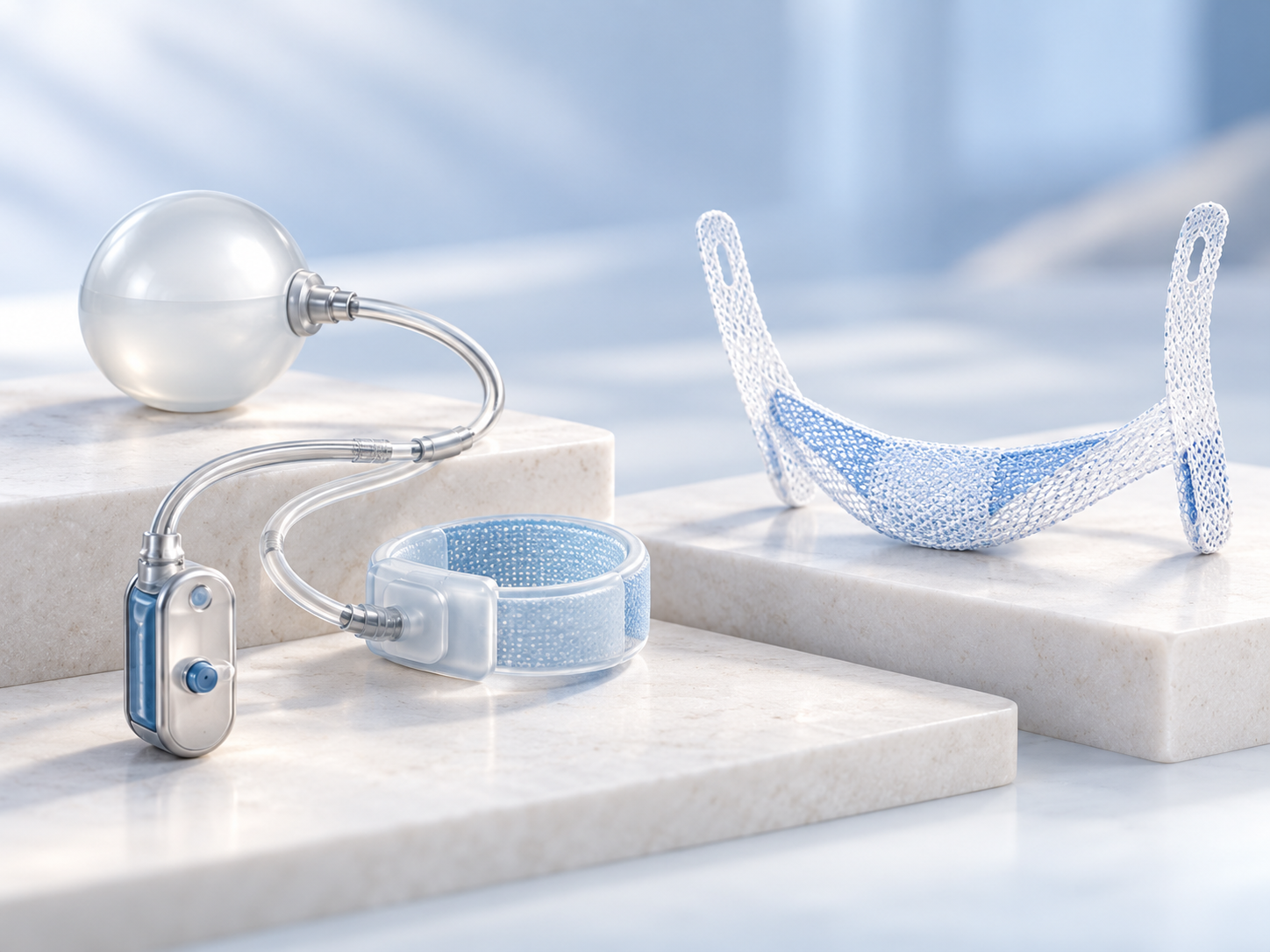
Male sling
A male sling may be considered in appropriately selected men with persistent mild-to-moderate stress urinary incontinence.
Artificial urinary sphincter
An artificial urinary sphincter is an established option for selected men with more significant sphincter-related stress incontinence.
Climacturia treatment
Men who are dry during ordinary activity but leak at orgasm may need a different treatment pathway.
When should continence surgery be discussed?
Surgery becomes relevant when stress urinary incontinence remains bothersome despite recovery and appropriate conservative treatment.
Procedure selection is based on more than pad count.
Leakage severity
Mild, moderate and severe stress leakage may lead to different surgical discussions.
Radiation history
Previous pelvic radiotherapy can affect tissue quality and treatment selection.
Urethral health
Stricture, bladder-neck narrowing or previous urethral reconstruction can change planning.
Bladder function
Urgency, storage problems and poor emptying should be understood before increasing outlet resistance.
What if I only leak urine during sex or orgasm?
Some men regain good daytime continence but continue to leak urine during sexual arousal or at orgasm.
Urine leakage specifically associated with orgasm is known as climacturia.
This should be distinguished from significant everyday stress urinary incontinence because the treatment pathway can be different.
What if erectile dysfunction is also present?
Erectile dysfunction and urinary incontinence commonly occur together after radical prostatectomy and should be considered together when prosthetic surgery is being planned.
Erectile function
Persistent erectile dysfunction may progress from tablets or injections to penile implant surgery when less-invasive treatment no longer provides an acceptable result.
Continence before implant surgery
If penile implant surgery is being considered while urinary leakage remains significant, continence should also be reviewed before operative planning is finalised.
When should persistent leakage be assessed?
Recovery has plateaued
Leakage remains similar month after month rather than continuing to improve.
Several pads are still needed
Ongoing substantial pad use may indicate clinically significant stress urinary incontinence.
Activity remains limited
Walking, golf, running, lifting or gym activity continues to produce troublesome leakage.
Urgency is prominent
Sudden urgency or urgency-related accidents may indicate an additional bladder-storage problem.
Previous radiotherapy
Pelvic radiation can influence tissue quality and continence-surgery selection.
Surgery is being considered
The leakage mechanism, urethra and relevant bladder factors should be assessed before treatment is selected.
Related information
Incontinence after prostatectomy FAQ
Is urinary leakage normal after prostatectomy?
Urinary leakage is common immediately after catheter removal. Continence often improves during postoperative recovery, although the timing varies between men.
How long does incontinence last after prostate surgery?
Improvement commonly occurs over the first several months and may continue during the first year.
Can pelvic-floor exercises help?
Pelvic-floor muscle training is commonly used during early postoperative continence rehabilitation and can help some men recover urinary control.
Why do I leak when standing or exercising?
Leakage during standing, coughing, lifting or exercise is typical of stress urinary incontinence and often reflects reduced sphincter resistance after prostatectomy.
Why do I leak with a sudden urge to urinate?
Leakage following a sudden compelling urge may represent urgency urinary incontinence or bladder overactivity.
When can surgery be considered?
Surgical discussion may be reasonable from around six months when bothersome stress incontinence is not improving despite conservative treatment. Persistent bothersome stress incontinence at around one year should prompt discussion of surgical options.
What is a male sling?
A male sling is a continence operation that supports the urethral outlet and may be considered in appropriately selected men with mild-to-moderate stress incontinence.
What is an artificial urinary sphincter?
An artificial urinary sphincter is an implanted continence device using a cuff around the urethra and a manually operated pump. It is an established treatment for selected men with significant stress urinary incontinence.
Does previous radiotherapy affect continence surgery?
Yes. Previous pelvic radiation can affect tissue quality and is important when selecting a continence operation and discussing potential risks.
What is climacturia?
Climacturia means involuntary urine leakage at orgasm. It can occur after prostatectomy even when daytime continence is otherwise good.
Is urinary leakage still limiting daily life?
Persistent leakage after prostatectomy can reflect stress incontinence, bladder urgency or a combination of problems. Assessment can clarify whether recovery is still progressing and which treatment pathways are reasonable to discuss.
Medical information: This page provides general educational information and does not diagnose the cause of urinary leakage or recommend a particular treatment for an individual patient. Recovery after prostatectomy varies. Treatment depends on the type and severity of incontinence, time since treatment, previous radiotherapy or urethral surgery, bladder function and individual clinical circumstances.
Website appointment requests are not suitable for emergencies. Seek prompt medical assessment for inability to pass urine, significant haematuria, fever or severe infection, severe pain or another acute urinary concern.