

Climacturia Treatment After Prostatectomy
Treatment for urine leakage during orgasm depends on more than the leakage itself. The most useful approach considers whether climacturia is isolated, whether daytime stress incontinence is also present, and whether erectile dysfunction is affecting sexual recovery.
Many men can begin with simple measures such as emptying the bladder before sex, pelvic-floor rehabilitation or a penile variable-tension loop. Surgery is generally reserved for selected men with additional continence or erectile problems.

There is no single climacturia treatment
The term climacturia describes urine leakage associated with orgasm. It does not tell us how severe the leakage is or whether another post-prostatectomy problem is also present.
A man who is otherwise dry, has reliable erections and loses a few drops at orgasm has a very different treatment discussion from a man who uses several urinary pads each day and also has severe erectile dysfunction.
This is why treatment usually starts by defining the complete urinary and sexual pattern before deciding how far treatment needs to escalate.
Which treatment pathway may fit?
Treatment can be thought of in four broad groups. These are not rigid categories, but they help explain why different men may receive very different recommendations.
Emptying the bladder before sex, adjusting fluid timing, using a condom or towel, and modifying sexual positioning may be sufficient when leakage is mild.
Pelvic-floor muscle training can form part of post-prostatectomy continence rehabilitation and may help men with climacturia.
A loop placed around the penis can provide temporary urethral compression during sexual activity in selected men.
Surgery is considered mainly when significant daytime stress leakage or erectile dysfunction creates a separate indication for an operation.
How climacturia treatment can be escalated
Reduce bladder volume before sexual activity
Urinating shortly before sex is one of the simplest measures because it reduces the amount of urine available to leak at orgasm.
Review pelvic-floor function
Correct pelvic-floor contraction and coordination can be reviewed as part of post-prostatectomy rehabilitation.
Consider temporary mechanical control
A penile variable-tension loop can be considered when leakage remains predictable and bothersome despite simple measures.
Assess wider stress urinary incontinence
Men who also leak with standing, coughing, exercise or movement may need a formal male continence assessment.
Coordinate treatment if severe ED is also present
When penile implant surgery is already being considered, continence and climacturia should be discussed before the operation so the sexual and urinary problems can be planned together.
Emptying the bladder before sex
Emptying the bladder immediately before sexual activity is one of the simplest strategies for climacturia.
It does not change the underlying continence mechanism. Instead, it reduces the quantity of urine stored in the bladder when orgasm occurs.
Some men also find that avoiding a large fluid intake immediately before sex helps. This does not require deliberate dehydration or restricting normal daily fluid intake.
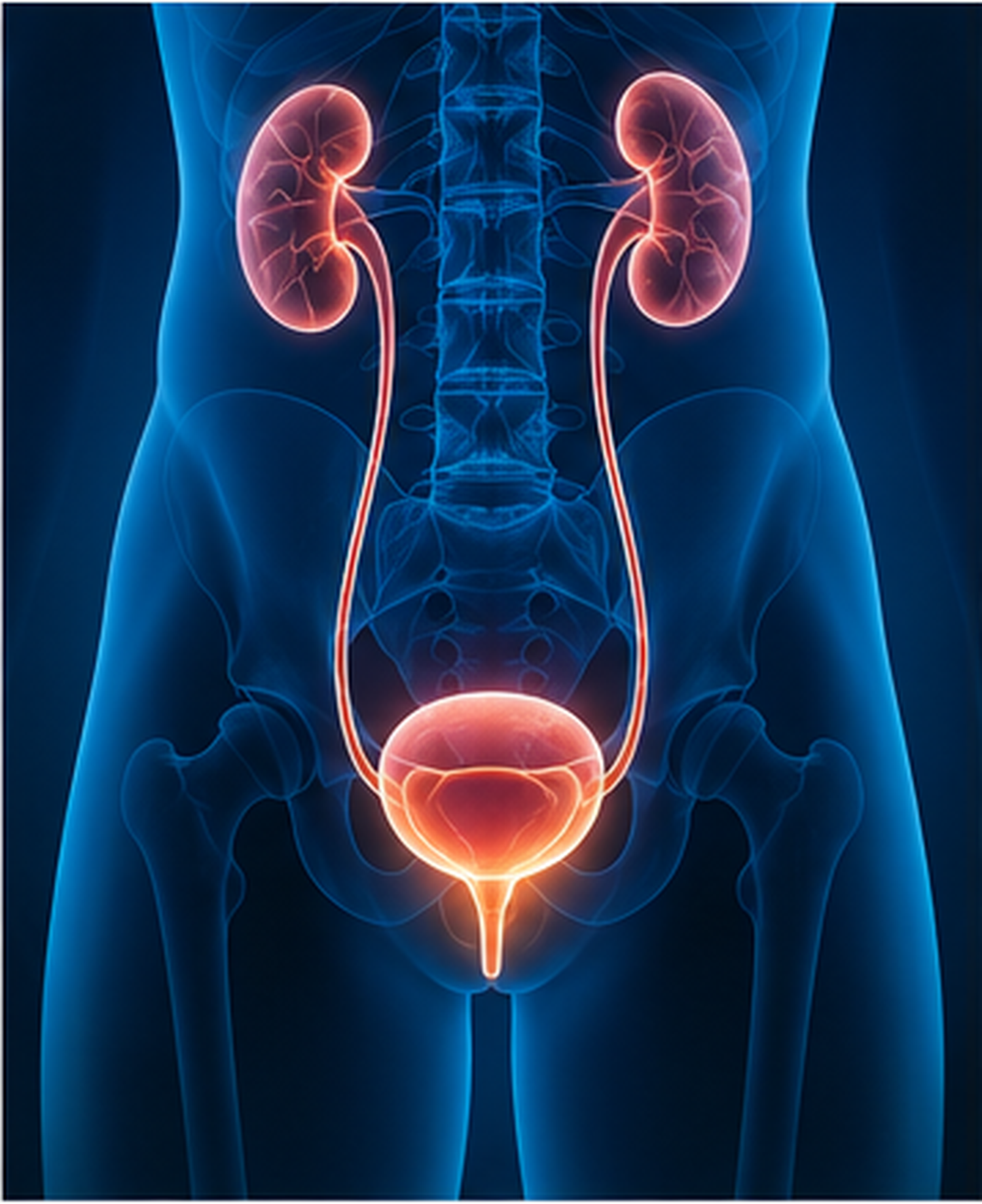
Can pelvic-floor exercises help climacturia?
Pelvic-floor muscle training is commonly used during continence rehabilitation after radical prostatectomy.
The aim is not simply to perform large numbers of pelvic-floor contractions. Technique, timing, coordination and the ability to recruit the appropriate muscles are important.
Published evidence specifically for climacturia is limited, but pelvic-floor rehabilitation is a reasonable conservative treatment and is included in guideline-based management of bothersome sexual-activity incontinence.
Penile variable-tension loops for climacturia
A penile variable-tension loop is a non-surgical device that applies controlled compression around the penis during sexual activity.
How it works
Compression can increase resistance around the urethra and reduce urine leakage during arousal or orgasm.
When it may suit
It may be useful when climacturia is predictable, bothersome and not severe enough to justify invasive continence treatment.
Safe use matters
A constriction device should not be excessively tight or left in place for prolonged periods. Discomfort, numbness or colour change are reasons to remove it.
What if I also leak urine during the day?
Climacturia can occur alone, but it can also be one part of persistent sphincter-related urinary leakage after prostatectomy.
Isolated climacturia
Practical strategies, pelvic-floor rehabilitation and a penile loop are usually more relevant than continence surgery.
Stress incontinence also present
A formal continence assessment may be appropriate. Selected men with suitable anatomy and leakage severity may discuss male sling surgery.
Severe stress incontinence
An artificial urinary sphincter may be discussed when significant stress urinary incontinence persists after prostate treatment.
Can continence surgery improve climacturia?
Yes, in selected men — particularly when surgery is already indicated because of persistent daytime stress urinary incontinence.
Male sling
Male sling surgery may be discussed in selected men with appropriate stress incontinence severity and anatomy.
Improvement in climacturia has also been reported after sling surgery when climacturia coexists with stress urinary incontinence.
Artificial urinary sphincter
An artificial urinary sphincter is an established treatment for selected men with persistent male stress urinary incontinence.
When climacturia occurs as part of that broader sphincter-related leakage pattern, sexual-activity leakage may also improve.
Climacturia treatment when a penile implant is being considered
Severe erectile dysfunction and climacturia can occur together after radical prostatectomy. This creates a different treatment situation because penile implant surgery may already be required for erectile dysfunction.
First define the ED problem
Penile implant surgery is considered because erections are inadequate, not because climacturia exists.
Review continence beforehand
Pad use, activity-related leakage and climacturia should be documented before implant surgery so urinary symptoms are not overlooked.
Consider combined planning selectively
In selected men already undergoing inflatable penile prosthesis surgery, specialised adjunctive techniques have been described to improve climacturia.
What is the Mini-Jupette approach?
The Mini-Jupette is a specialised adjunctive continence technique described in men who have climacturia or mild stress incontinence and are already undergoing inflatable penile prosthesis surgery for erectile dysfunction.
A graft or sling-like material is positioned so that inflation of the penile prosthesis increases compression beneath the urethra during sexual activity.
Published series and systematic reviews have reported improvement in climacturia, but the evidence is based on relatively small studies and the technique is not a routine first-line operation for isolated climacturia.
What should be assessed before choosing treatment?
Timing of leakage
Is leakage limited to orgasm, does it occur during arousal, or is it also present with daily physical activity?
Volume and bother
A few drops and complete bladder emptying are treated differently from large-volume leakage that prevents sexual activity.
Daytime pad use
Pad use helps estimate whether a wider stress continence problem remains.
Erectile function
Natural erections, tablets, injections and whether an implant is being considered can materially change the treatment pathway.
Previous radiation
Radiation can affect tissue quality and is particularly relevant if continence surgery is being considered.
Urethral and bladder history
Stricture, bladder-neck narrowing, urgency or poor emptying may require investigation before increasing outlet resistance surgically.
Does climacturia always need to be eliminated completely?
Not necessarily. Treatment success is individual.
For some men, reducing the volume enough that sex is no longer stressful is a satisfactory result. Others have severe or highly bothersome leakage and want to explore further options.
The decision to escalate treatment should therefore reflect bother, relationship impact, erectile function, daytime continence and the risks of the treatment being considered.
Related post-prostatectomy information
Climacturia treatment FAQ
What is the first treatment for climacturia?
Initial management usually focuses on simple measures such as emptying the bladder before sexual activity, pelvic-floor rehabilitation and practical containment strategies.
Can climacturia improve without surgery?
Yes. Some men improve as continence recovers after prostatectomy, while others can manage persistent leakage with bladder emptying, pelvic-floor therapy or mechanical strategies.
Can pelvic-floor physiotherapy treat climacturia?
Pelvic-floor muscle training is a reasonable conservative treatment and may help some men, particularly when climacturia occurs together with residual stress urinary leakage.
What is a penile variable-tension loop?
It is a temporary constriction device positioned around the penis during sexual activity. Controlled compression can reduce urine passing through the urethra during orgasm in selected men.
Do I need a male sling for climacturia?
Not necessarily. A male sling is mainly a treatment for selected men with stress urinary incontinence. It becomes more relevant when climacturia occurs together with a wider stress leakage problem.
Can an artificial urinary sphincter treat climacturia?
An artificial urinary sphincter is primarily used for significant male stress urinary incontinence. Men treated for this broader continence problem may also experience improvement in climacturia.
Does a penile implant cure climacturia?
A penile implant primarily treats erectile rigidity. It should not be assumed to cure climacturia by itself. Urinary continence and sexual-activity leakage should be assessed separately when implant surgery is planned.
What is Mini-Jupette surgery?
Mini-Jupette describes a specialised adjunctive technique used in selected men with climacturia or mild stress leakage who are already undergoing inflatable penile prosthesis surgery for erectile dysfunction. Evidence comes mainly from relatively small surgical series.
Can I have climacturia treatment if I am otherwise dry?
Yes. Men who are dry during normal daily activities may still find climacturia bothersome. Conservative strategies and a penile loop may be more relevant than continence surgery in this situation.
When should I see a urologist about climacturia?
Assessment is reasonable when leakage remains bothersome, interferes with intimacy, occurs together with ongoing daytime incontinence or erectile dysfunction, or when you are considering continence or penile implant surgery.
Is climacturia still affecting intimacy?
Treatment can range from simple bladder-emptying and pelvic-floor strategies through to continence or erectile surgery in selected men. The appropriate pathway depends on whether climacturia is isolated or part of a wider post-prostatectomy continence and sexual-function problem.
Medical information: This page provides general educational information and does not recommend a specific climacturia treatment for an individual patient. Management depends on the severity and timing of urinary leakage, erectile function, previous prostate treatment, urethral and bladder factors, treatment goals and individual clinical circumstances.
Website appointment requests are not suitable for emergencies. Seek appropriate medical assessment for inability to pass urine, significant blood in the urine, fever or severe infection, severe pain or another acute urinary problem.