

Penile Injections for ED — What If They Don’t Suit Me?
Penile injections can produce reliable erections for many men. But they are not necessarily the right long-term treatment for everyone.
Pain, difficulty injecting, an inconsistent response, prolonged erections or simply wanting a less medicalised approach to intimacy are reasonable reasons to reassess your treatment.

The short answer
If penile injections do not work reliably, cause troublesome side effects or make sexual activity feel too planned or medicalised, you do not necessarily need to keep using them.
The first step is to determine whether your injection treatment can reasonably be improved. If it cannot — or you simply do not want to continue injections — other established ED treatments can be considered.
Why might penile injections stop being the right treatment?
Penile injections act directly on erectile tissue and can work when tablets have not provided sufficient rigidity. Effectiveness, however, is only one part of choosing a long-term treatment.
Pain or discomfort
Some men find the needle uncomfortable. Others experience aching, burning or discomfort associated with the medication or erection.
Loss of spontaneity
Preparing medication, injecting and waiting for an erection can make intimacy feel more procedural.
Variable response
Dose, technique, medication handling and progression of the underlying ED can affect reliability.
Prolonged erections
An excessive response can produce an erection that lasts much longer than intended and may become priapism.
Bruising or fibrosis
Repeated injections can occasionally be associated with bleeding, bruising or localised areas of scarring.
Your priorities changed
A treatment can be medically effective but still be unsuitable for your lifestyle, relationship or personal preferences.
Penile injections are one ED treatment — not the end of the pathway
Erectile dysfunction treatment can be reassessed even after several therapies have already been tried.
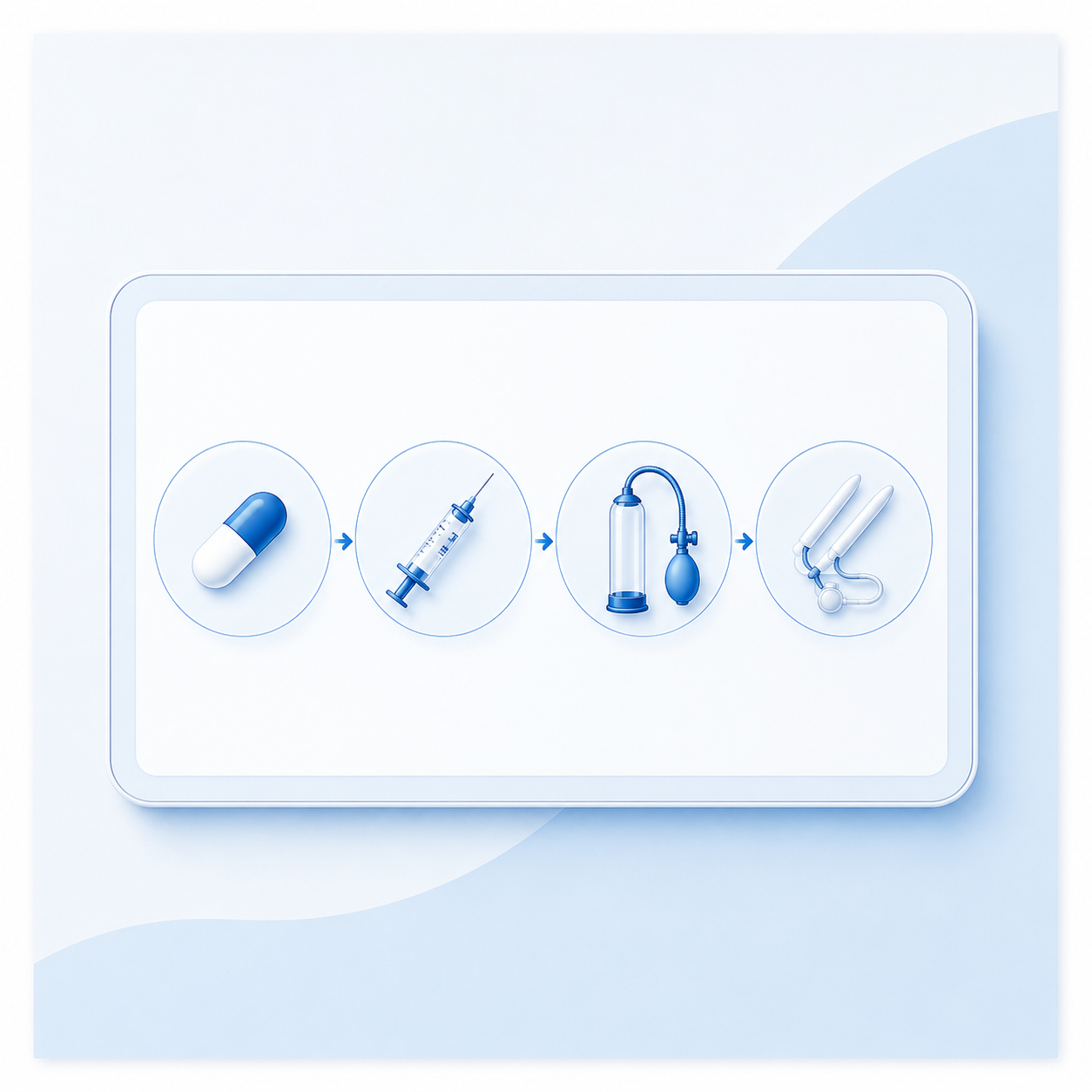
Depending on the cause and severity of your ED, treatment discussions can include:
- reviewing how ED tablets were previously used
- optimising injection technique or dose where appropriate
- vacuum erection therapy
- managing relevant medical or hormonal contributors
- considering psychosexual or relationship factors where relevant
- discussing penile implant surgery for selected men
Sometimes the injection can be improved
A disappointing erection after an injection does not automatically mean injection therapy has failed.
A specialist review may consider:
- the medication being used
- the prescribed dose
- how the medication is stored and prepared
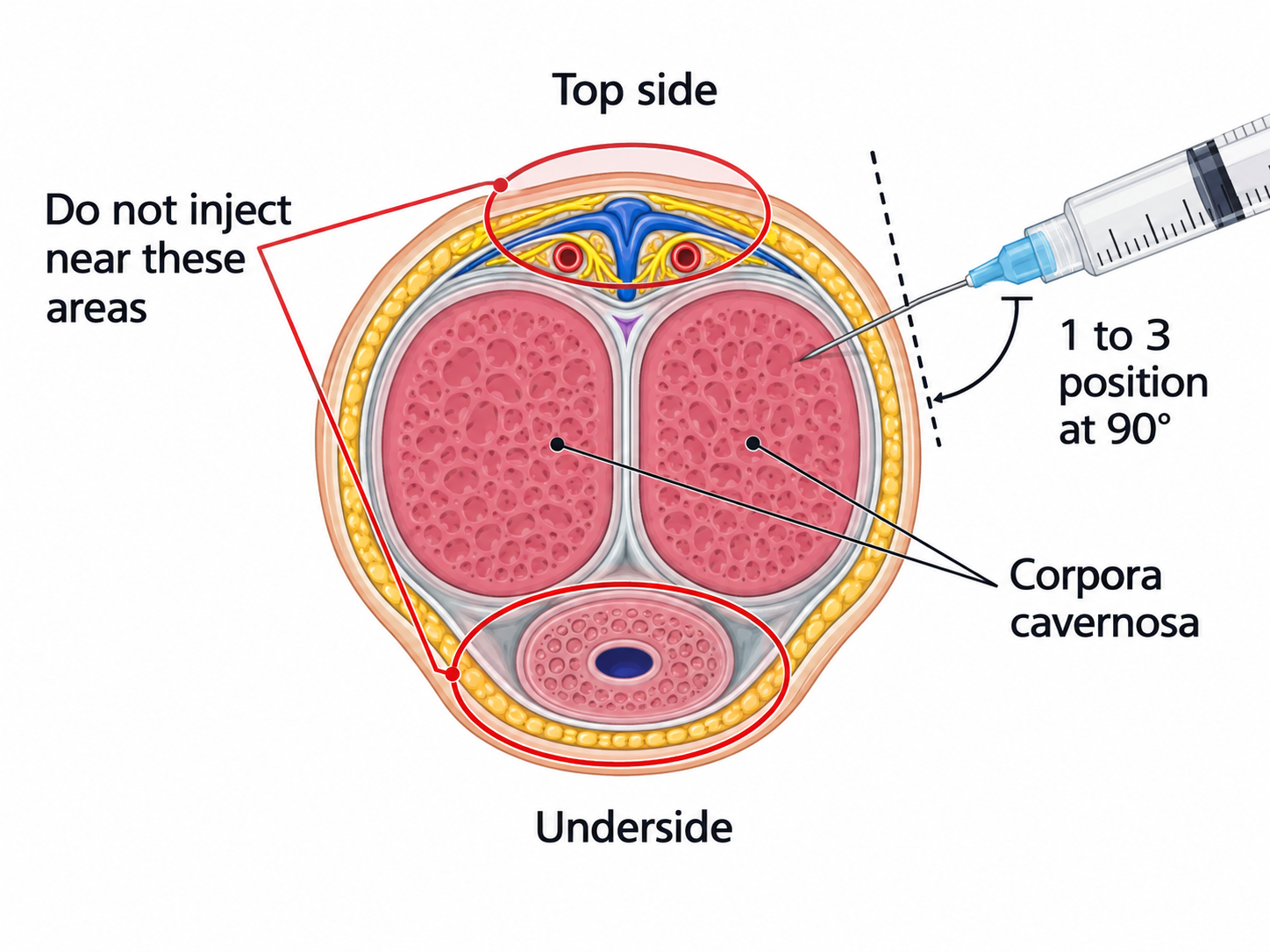
- injection technique and injection site
- how quickly the erection develops
- whether sufficient rigidity is achieved
- how long the erection lasts
- penile pain, bruising or areas of firmness
- anticoagulant or antiplatelet medication
- whether the underlying ED has progressed
In some men, supervised dose adjustment or technique review is enough. In others, it becomes clear that injections are no longer the treatment they want to use.
An erection lasting around four hours requires urgent assessment
A prolonged erection following an ED injection can become ischaemic priapism.
If an erection persists for approximately four hours — or becomes increasingly painful or is clearly not resolving before then — seek urgent medical assessment.
If immediate advice from your treating clinician is unavailable, attend the nearest emergency department.
What happens if injections genuinely do not suit you?
The next treatment should reflect both the severity of your erectile dysfunction and what you actually want from sexual function.
Understand the underlying ED
Review severity, onset, medical conditions, previous prostate or pelvic treatment and other contributing factors.
Confirm whether the injections are optimised
Dose, technique and medication choice should be reviewed before an otherwise useful treatment is labelled ineffective.
Identify what you dislike about injections
Poor rigidity, pain, needles, planning, anxiety and prolonged erections are different problems and may lead to different decisions.
Compare realistic alternatives
Treatment can be modified or replaced depending on your goals, health, anatomy and previous treatment response.
What can I use instead of penile injections?
There is no single correct answer. The appropriate option depends on why injections are unsuitable and which treatments you have already tried.
Revisit oral medication
If tablets were previously unsuccessful, it can occasionally be useful to review the dose, medication, timing and circumstances in which they were taken.
Tablets are not appropriate for every patient and can interact with some medications.
Vacuum erection device
A vacuum device creates negative pressure to draw blood into the penis. A constriction ring can then help maintain the erection.
This avoids injections and systemic medication but still requires preparation before sexual activity.
Address contributing factors
Cardiovascular disease, diabetes, smoking, prescribed medication, hormonal abnormalities and psychological or relationship factors may contribute to erectile dysfunction.
Penile implant surgery
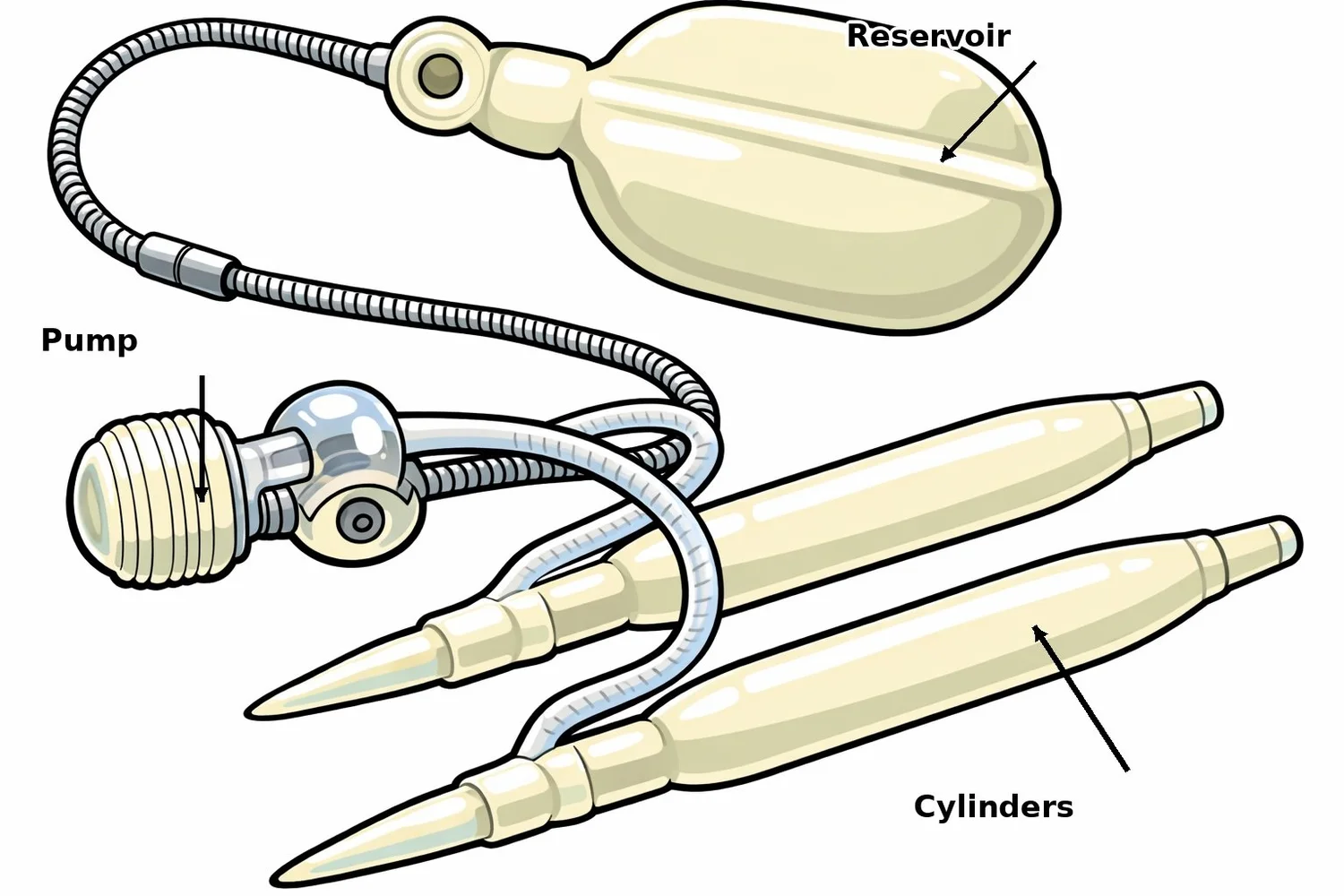
A penile implant is an implanted device that provides mechanical penile rigidity when required.
It does not require an injection or ED tablet immediately before sexual activity.
It may be considered when non-surgical treatments are ineffective, unsuitable, poorly tolerated or no longer acceptable.
Explore Penile Implant SurgeryInjections, vacuum therapy or penile implant?
For many men, the practical differences between treatments are just as important as whether a treatment is capable of producing an erection.
| Consideration | Penile injections | Vacuum device | Penile implant |
|---|---|---|---|
| Preparation before sex | Yes | Yes | Device already implanted |
| Needle required | Yes | No | No injections after recovery |
| Medication each time | Yes | No | No |
| Requires surgery | No | No | Yes |
| Important limitation | Needle use, discomfort, variable response and prolonged erection | Preparation, constriction ring and mechanical feel | Surgical risks, recovery and long-term device considerations |
| May suit | Men comfortable self-injecting who achieve a reliable response | Men wanting a non-drug and non-surgical option | Selected men seeking a surgical solution when conservative treatment is unsatisfactory |
When does a penile implant become worth discussing?
For some men, the important question is no longer: “Can injections produce an erection?”
It becomes: “Is this how I want to manage erections for the long term?”
Penile implant surgery may become relevant when significant ED remains problematic and less-invasive treatment is ineffective, poorly tolerated, unsuitable or unacceptable.
- tablets no longer provide adequate rigidity
- penile injections are unreliable
- injection pain or needle anxiety is significant
- troublesome prolonged erections have occurred
- sexual activity feels excessively planned around treatment
- you want to understand a more predictable mechanical option

What if my ED started after prostate cancer treatment?
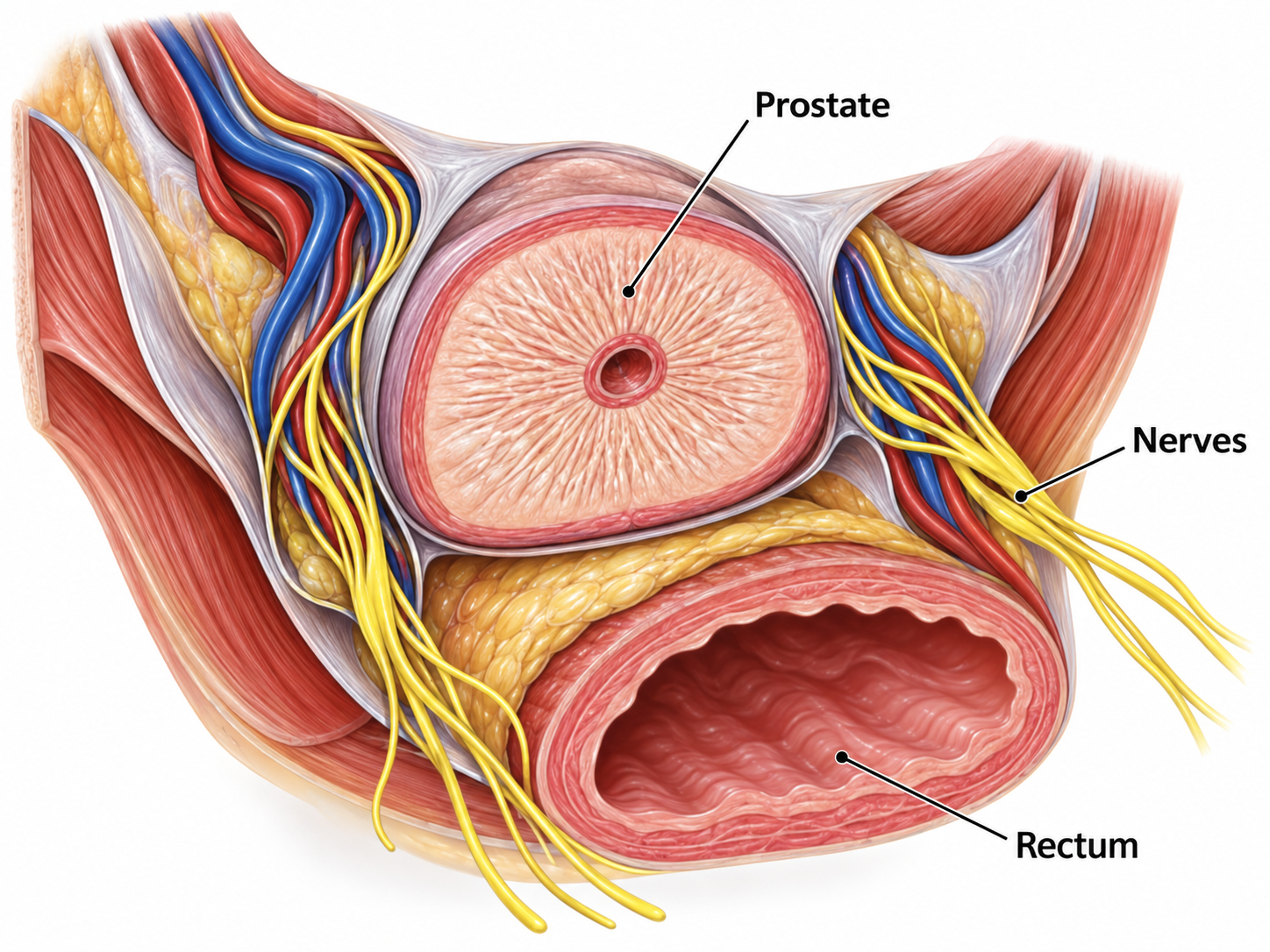
Erectile dysfunction after radical prostatectomy, radiotherapy or other pelvic cancer treatment can behave differently from milder ED.
Tablets may provide limited benefit when the neurological or vascular pathways needed for natural erections have been substantially affected.
Penile injections may produce useful rigidity because they act directly on the erectile tissue.
If injections are ineffective or become unacceptable, it is reasonable to discuss whether further conservative treatment remains worthwhile or whether penile implant surgery better matches your priorities.
What happens at an appointment?
The purpose is not automatically to keep you using injections or to move you towards surgery. It is to establish why your current treatment is unsatisfactory and which options remain reasonable.
Review the ED
When it started, severity, likely cause and its impact on sexual activity.
Review treatment
Tablets, injections, devices and other treatments already tried.
Assess injections
Medication, dose, technique, rigidity, erection duration and side effects.
Define priorities
Reliability, spontaneity, avoiding needles, avoiding surgery and other preferences.
Build a plan
Continue, modify or replace injection treatment depending on your circumstances.
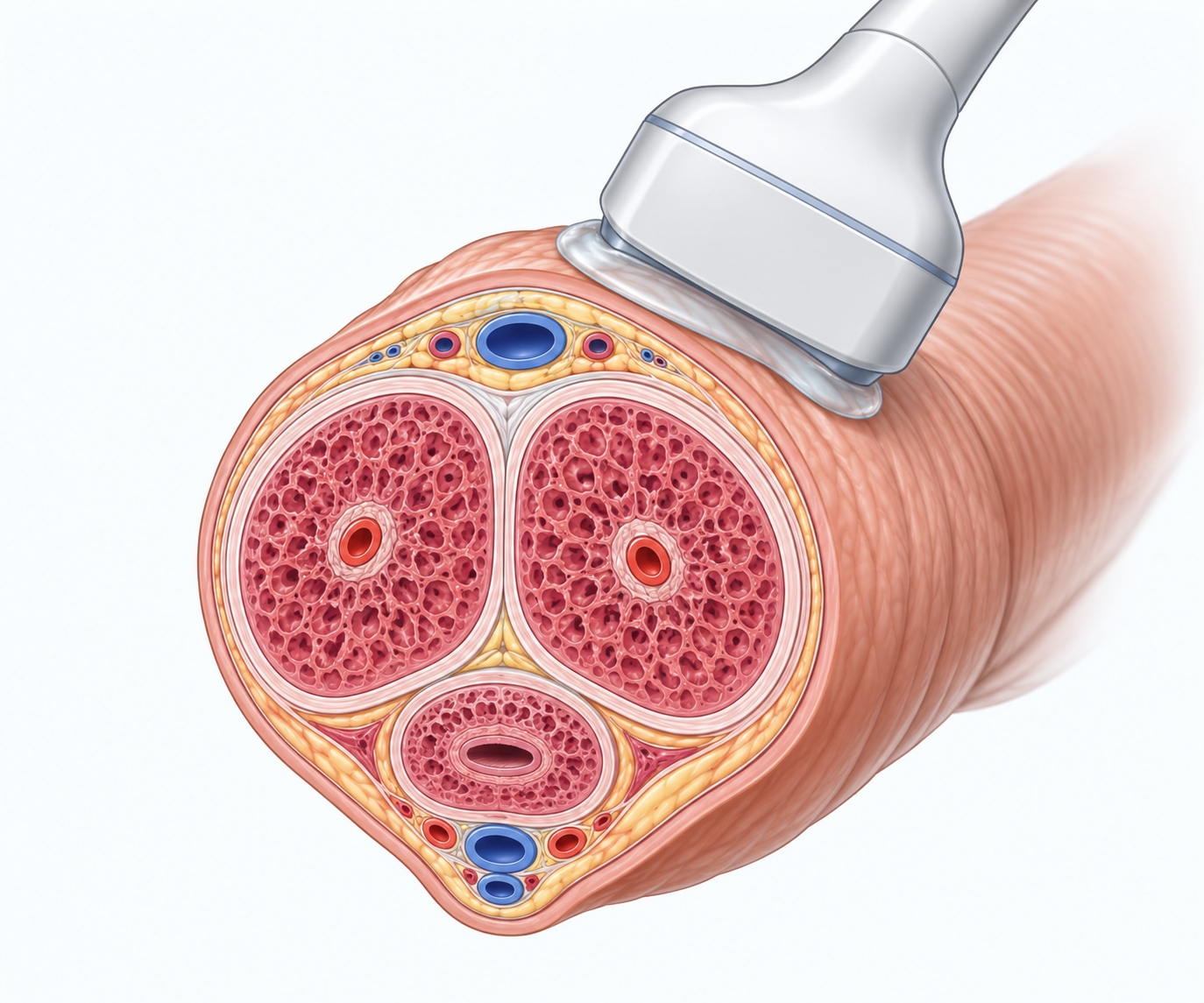
When might penile ultrasound add useful information?
Penile Doppler ultrasound is not required simply because a man uses injections. In selected situations, however, ultrasound can help assess penile vascular response, erectile tissue and anatomy when the result is likely to change the treatment discussion.
The investigation should answer a specific clinical question rather than being used routinely for every patient with erectile dysfunction.
Specialist assessment when ED treatment is no longer satisfactory
Erectile dysfunction that has progressed beyond tablets and injections can require a more detailed discussion than simply moving from one medication to another.
Dr Jack Crozier is a Brisbane urologist and fellowship-trained andrologist whose subspecialty practice includes erectile dysfunction, penile implant surgery, Peyronie’s disease and reconstructive andrology.
His advanced andrology fellowship at University College London Hospitals included penile prosthetic surgery, penile reconstruction, Peyronie’s disease surgery and complex andrology.
This allows erectile function, previous pelvic treatment, penile anatomy, fibrosis, deformity and potential surgical treatment to be considered within the same assessment.
Penile injection FAQs
Yes. A reduced response may occur because of injection technique, medication dose, medication handling or progression of the underlying erectile dysfunction. The treatment should be reviewed before simply increasing the dose yourself.
Effectiveness is not the only consideration. If needles, preparation, anxiety or loss of spontaneity make injection therapy unacceptable, it is reasonable to discuss other options.
Localised fibrosis or scarring can occur with intracavernosal injection treatment. New lumps, firm areas, curvature or other penile changes should be assessed.
Dose changes should follow the instructions of the clinician supervising your injection treatment. Excess medication can cause a prolonged erection and potentially priapism.
Penile implant surgery may be considered in appropriately selected men with established erectile dysfunction when non-surgical treatments are ineffective, unsuitable, poorly tolerated or no longer acceptable after appropriate assessment and counselling.
A penile implant primarily treats erectile rigidity. It does not directly restore libido, sensation, orgasm or ejaculation that has already been affected by another medical condition or treatment.
Penile injections are commonly considered after radical prostatectomy. When tablets and injections do not provide an acceptable long-term solution, penile implant surgery may also become part of the treatment discussion.
An erection persisting for approximately four hours requires urgent medical assessment, particularly if it is painful or clearly not resolving. Attend an emergency department if immediate specialist advice is unavailable.
Anticoagulant and antiplatelet medication may influence bruising or bleeding risk. Do not stop prescribed medication without medical advice. Your medications and ED treatment should instead be reviewed together.
If injections are becoming the problem rather than the solution, it may be time to reassess your ED treatment.
Specialist assessment can determine whether injection therapy can be improved, whether another non-surgical treatment remains reasonable, or whether penile implant surgery should enter the discussion.
This page provides general educational information and does not replace individual medical advice, diagnosis or informed consent. Erectile dysfunction has multiple potential causes and treatment suitability varies between patients. Medical treatments and surgery have potential risks, limitations and alternatives. Seek urgent medical assessment for a prolonged or painful erection that is not resolving.