

Medical Expulsive Therapy for Ureteric Stones
Some ureteric stones can be given time to pass naturally. Medical expulsive therapy uses medication — usually an alpha-blocker — to help selected stones travel through the ureter while avoiding an immediate procedure.
It is not appropriate for every stone. Stone size and location, pain, infection, urinary obstruction and kidney function all need to be considered before deciding whether observation with medical expulsive therapy is a reasonable option.

Medical expulsive therapy is not a substitute for urgent treatment of an infected or clinically significant obstruction. Seek urgent medical care if stone symptoms are accompanied by fever, chills or rigors, significant illness, difficulty passing urine, worsening uncontrolled pain or other concerning deterioration.
Learn about blocked or infected kidney stones →Which ureteric stones are most likely to benefit?
The potential value of medical expulsive therapy is not the same for every stone.
Distal Stones Around 5–10 mm
The clearest evidence for alpha-blocker medical expulsive therapy is for stones in the lower or distal ureter, particularly stones greater than approximately 5 mm that remain potentially passable.
Very Small Ureteric Stones
Smaller stones frequently have a good chance of passing without a procedure. Medication may still be considered in selected circumstances, but the additional benefit can be smaller when spontaneous passage is already very likely.
Upper, Larger or Persistent Stones
Increasing stone size, a more proximal position, persistent obstruction or ongoing symptoms can reduce the attractiveness of prolonged conservative management and make active treatment more relevant.
What is medical expulsive therapy?
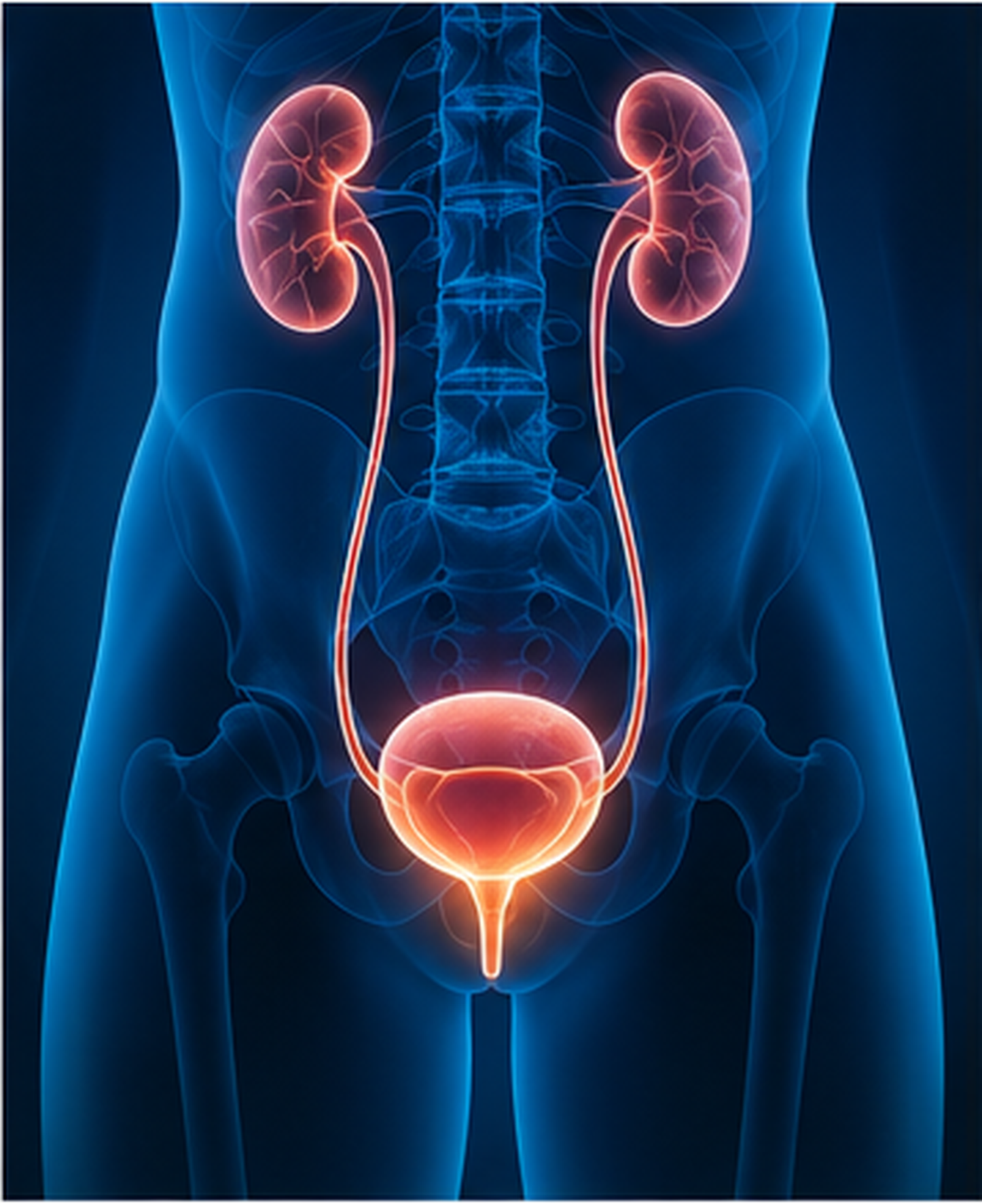
A ureteric stone is a kidney stone that has moved from the kidney into the ureter — the narrow muscular tube that carries urine down to the bladder.
If the stone has a reasonable chance of passing and there is no complication requiring immediate stone removal, a period of observation may be appropriate.
Medical expulsive therapy, or MET, adds medication intended to relax ureteric smooth muscle and make passage of a suitable stone easier.
Alpha-blockers
Alpha-blockers are the medications most commonly used for medical expulsive therapy. Tamsulosin is one familiar example. Use for ureteric stone passage is an off-label indication and should be considered in the context of the individual patient.
Who may be suitable for medical expulsive therapy?
MET only makes sense when giving the stone time to pass is itself considered clinically reasonable.
Passable Stone Size
The stone needs to have a realistic chance of passing without active removal. Increasing stone size generally reduces the likelihood of spontaneous passage.
Favourable Location
Stones that have progressed toward the bladder generally have a better chance of passage. The strongest evidence for MET is for distal ureteric stones.
Pain Is Controlled
Conservative management becomes much less attractive when renal colic remains severe despite appropriate pain treatment.
No Significant Infection
An obstructed kidney associated with infection can require urgent drainage and should not simply be managed with a prolonged trial of stone passage.
Kidney Function Is Safe
Kidney function, the severity of obstruction and whether the patient has one or two functioning kidneys all influence whether observation is appropriate.
Follow-Up Is Possible
A trial of passage should not become indefinite observation. Symptoms, stone passage and kidney drainage may need reassessment.
Why does the position of the stone matter?
A CT scan can identify both the size of the stone and where it is sitting within the ureter. These are two of the most important factors when deciding whether to allow time for natural passage.
Proximal Stone
The stone remains closer to the kidney and still has a longer distance to travel. Alpha-blocker therapy can be considered in selected small stones, although the evidence is less compelling than for distal stones.
Mid-Ureteric Stone
Some stones in the middle ureter can be safely given time to pass when symptoms and kidney drainage remain acceptable.
Distal Ureteric Stone
This is the group in which international guideline evidence for alpha-blocker medical expulsive therapy is strongest, particularly around the 5–10 mm range.
A practical way to think about stone size
This is a simplified guide rather than a treatment prescription. Exact management depends on the scan and clinical situation.
What do current international guidelines say?
Recommendations are similar but not identical, which is why MET should be considered in the context of the individual stone rather than applied automatically.
2026 Urolithiasis Guideline
Greatest expected benefit: distal ureteric stones 5–10 mm.
The EAU recommends offering alpha-blockers as one treatment option for suitable patients with distal ureteric stones in this range who are appropriate for conservative management.
2026 Surgical Stones Guideline
Distal ureter: alpha-blocker MET for stones ≤10 mm.
The AUA recommends approximately 30 days of MET for suitable distal stones and states that treatment may also be offered to selected patients with middle or proximal ureteric stones ≤10 mm.

What does tamsulosin actually do?
Alpha receptors are present in smooth muscle within the ureter. Alpha-blocking medication can reduce ureteric smooth-muscle tone and may help a suitable stone travel through the lower urinary tract.
Tamsulosin is one alpha-blocker commonly considered for this purpose. Other medications within the same drug class have also been studied.
MET does not dissolve most kidney stones. The aim is to assist passage of an existing ureteric stone while the body moves it toward the bladder.
Uric acid stones can sometimes be treated with urine alkalinisation in selected circumstances. That is a different process from simply using an alpha-blocker to assist stone passage.
What happens while waiting for the stone to pass?
Confirm the Stone
Imaging establishes the stone's size and location and assesses whether the kidney is obstructed.
Make Sure Observation Is Safe
Pain, infection, kidney function, obstruction and individual circumstances are considered before choosing conservative management.
Use Medication Where Appropriate
An alpha-blocker may be offered when the potential benefit outweighs the limitations or possible side effects.
Watch for Stone Passage
The stone may be seen in the urine or collected with a stone strainer. A retrieved stone can potentially be sent for stone analysis.
Review if It Does Not Pass
Continued symptoms, ongoing obstruction or failure of the stone to pass should trigger reassessment rather than an indefinite wait.
How long should medical expulsive therapy be tried?
Conservative treatment is not intended to continue indefinitely. The 2026 AUA guideline uses a treatment period of approximately 30 days when alpha-blocker MET is offered.
The appropriate duration for an individual patient depends on the stone, symptoms, obstruction and clinical progress.
When does a kidney stone need surgery? →Can alpha-blockers cause side effects?
Yes. Alpha-blockers are widely used medications, but they are not appropriate for every patient. The potential benefits and risks need to be considered before treatment.
Dizziness
Some patients can feel dizzy or light-headed, particularly when standing.
Lower Blood Pressure
Blood-pressure effects may be particularly relevant in people already taking antihypertensive medication.
Ejaculatory Change
Some alpha-blockers can temporarily alter ejaculation while the medication is being taken.
Medication Interactions
Existing medications and medical conditions should be reviewed before an alpha-blocker is commenced.

When should medical expulsive therapy be stopped or reconsidered?
Developing complications changes the treatment pathway.
Fever or Infection
Infection associated with urinary obstruction may require urgent drainage rather than further observation.
Uncontrolled Pain
Persistent or recurrent severe pain despite appropriate treatment is a reason to reconsider conservative management.
Kidney Function Deteriorates
Evidence that obstruction is adversely affecting kidney function requires prompt reassessment.
Persistent Vomiting
Ongoing vomiting, inability to maintain hydration or clinical deterioration may require further assessment.
Significant Ongoing Obstruction
Persistent clinically important obstruction can favour active treatment rather than prolonged stone passage.
The Stone Is Not Passing
Failure of an appropriate trial of passage should prompt a review of ureteroscopy, shock-wave treatment or another stone pathway.
What treatment comes next?
Failure of medical expulsive therapy does not automatically mean one specific operation. The next option depends on the stone's size, position, density, symptoms and urinary anatomy.
Ureteroscopy & Laser Stone Surgery
A fine telescope is passed through the natural urinary tract to reach the stone. The stone can then be removed or fragmented using laser energy where appropriate.
- Direct access to the stone
- Common treatment for ureteric stones
- Temporary stent may sometimes be used
Shock Wave Lithotripsy
Externally generated shock waves can fragment selected urinary stones so that the resulting pieces can pass through the urinary tract.
- No endoscope placed into the kidney
- Suitable only for selected stones
- Success depends on size, location and density
Kidney Stone Treatment Options
Compare spontaneous passage, shock-wave lithotripsy, ureteroscopy, PCNL and urgent urinary drainage.
- Understand the main treatment pathways
- See how stone location changes treatment
- Learn when active removal may be appropriate

How do I know whether the stone has actually passed?
Complete resolution of pain does not always prove that a ureteric stone has passed or that kidney drainage has returned to normal.
If the stone is physically seen or collected in the urine, this can provide useful confirmation. The stone may also be suitable for laboratory analysis.
Depending on the original stone, obstruction and clinical course, follow-up imaging may be recommended to confirm stone passage and resolution of obstruction.
Passing the stone does not explain why it formed
Medical expulsive therapy treats the immediate problem of a stone travelling through the ureter. It does not remove the underlying tendency to develop kidney stones.
Recurrent or higher-risk stone formers may benefit from stone analysis, blood testing and specialised urine testing to identify potentially modifiable risk factors.
Explore Kidney Stone PreventionMedical Expulsive Therapy FAQs
What is medical expulsive therapy for kidney stones?
Medical expulsive therapy is medication used during a period of conservative management to help a suitable ureteric stone pass naturally. Alpha-blockers are the drug class most commonly used for this purpose.
Is tamsulosin used to help pass ureteric stones?
Yes. Tamsulosin is an alpha-blocker that may be considered to facilitate passage of selected ureteric stones. Its use for stone passage is off-label and it is not appropriate for every patient or every stone.
What size stone benefits most from tamsulosin?
Current European guideline evidence suggests that the greatest benefit is likely in distal ureteric stones greater than about 5 mm, particularly in the 5–10 mm range. Stone location, symptoms, obstruction and individual clinical circumstances are also important.
Will tamsulosin dissolve my kidney stone?
No. Alpha-blockers do not dissolve most urinary stones. Their purpose in MET is to help a suitable stone travel through the ureter. Selected uric acid stones can sometimes be treated with urinary alkalinisation, which is a different treatment strategy.
How long can I wait for a ureteric stone to pass?
The appropriate duration depends on stone size and location, symptoms, urinary obstruction and kidney function. The 2026 AUA guideline describes approximately 30 days of alpha-blocker MET for appropriate ureteric stones. Observation should be reconsidered sooner if complications develop.
Should I drink as much water as possible to force the stone out?
Maintaining appropriate hydration is sensible, but attempting to rapidly force very large volumes of fluid is not a substitute for appropriate assessment of a painful or obstructing ureteric stone. Individual advice may differ, particularly when vomiting, obstruction or other medical conditions are present.
Can I use medical expulsive therapy if my kidney is obstructed?
Some ureteric stones cause a degree of obstruction and can still be managed conservatively in carefully selected patients. The severity and persistence of obstruction, kidney function, pain and infection risk are important. Significant or complicated obstruction may require active treatment.
Can I take tamsulosin if I have a fever with a kidney stone?
Fever or significant illness with a suspected obstructing stone requires urgent medical assessment. An infected obstructed urinary system may need urgent drainage with a ureteric stent or nephrostomy rather than continued medical expulsive therapy.
What happens if the stone does not pass?
The stone can be reassessed according to its size, location, symptoms and degree of obstruction. Active treatment may include ureteroscopy and laser stone surgery or shock-wave lithotripsy for selected stones.
Do I need another scan after the pain disappears?
Sometimes. Resolution of pain alone does not always prove that the stone has passed or that obstruction has resolved. Follow-up imaging may therefore be appropriate depending on the original stone and clinical situation.
Have you been told to wait for a ureteric stone to pass?
Existing imaging can be reviewed to assess the size and position of the stone, the degree of urinary obstruction and whether observation, medical expulsive therapy or active treatment may be appropriate.
This information is general educational information and does not replace individual medical advice. Medical expulsive therapy is not appropriate for every ureteric stone. Treatment depends on stone size and location, symptoms, obstruction, infection, kidney function, medications, other medical conditions and individual clinical circumstances. Alpha-blockers used to facilitate ureteric stone passage are used off-label for this indication.
Clinical content informed by contemporary international kidney-stone guidance including the European Association of Urology Guidelines on Urolithiasis 2026 and the American Urological Association Surgical Management of Kidney and Ureteral Stones Guideline 2026.