


MicroTESE in Australia for International Patients
If you have non-obstructive azoospermia or have previously had an unsuccessful sperm retrieval, your assessment can often begin before you travel to Brisbane.
You do not need to book flights before making contact. The first step is to clarify your diagnosis, previous investigations and likely treatment pathway.
Start with the diagnosis — not the flight booking
MicroTESE is primarily used in selected men with non-obstructive azoospermia, where sperm production within the testicle is severely reduced and may occur only in small isolated areas.
Not every man with a zero sperm count requires MicroTESE. Azoospermia can occur because sperm production is reduced, because sperm are blocked from reaching the ejaculate, because of hormonal suppression, or for other reasons.
For international patients, the aim is therefore to understand the likely cause and review useful existing investigations before major travel arrangements are made.

International MicroTESE assessment may be considered in several situations
Suitability depends on the cause of azoospermia, previous treatment, genetics, hormonal findings, examination and the fertility goals of you and your partner.
No sperm found because production appears severely reduced
MicroTESE may be considered when azoospermia is due to impaired sperm production rather than a blockage.
Previous unsuccessful TESE or TESA
Previous sperm retrieval does not automatically determine whether further surgery is appropriate. The previous procedure and findings should be reviewed before considering another attempt.
Selected genetic or testicular conditions
Some men with conditions associated with markedly impaired sperm production may still be candidates for surgical sperm retrieval. Other genetic findings can make retrieval inappropriate.
IVF or ICSI planning where surgical sperm retrieval is required
The timing of sperm retrieval may need to be planned with the fertility specialist and embryology laboratory, particularly when treatment is occurring across different countries.
Important: MicroTESE is not required simply because a semen analysis reports azoospermia. Establishing whether the problem is obstructive or non-obstructive is an important part of assessment.

What records are useful?
You do not need every document before requesting an assessment. When available, these records can help clarify your fertility pathway.
From overseas assessment to returning home
The exact pathway varies between patients, but international treatment generally involves the following stages.
Start an international enquiry
Tell the rooms where you live, that you are seeking assessment for azoospermia or MicroTESE, and whether you are already working with a fertility or IVF clinic.
Review your existing investigations
Relevant semen analyses, hormones, genetics, specialist letters and previous sperm retrieval information can be considered where available.
Specialist assessment
The objective is to clarify the likely cause of azoospermia, whether additional testing is required and whether MicroTESE is a reasonable treatment to consider.
Coordinate the IVF and embryology plan
If surgical sperm retrieval is appropriate, the retrieval strategy should be planned with the fertility team and laboratory involved in your treatment.
Travel to Brisbane
Once the likely clinical pathway is sufficiently clear, the consultation, any required investigation, surgery and early postoperative review can be planned.
Recovery and return home
Your postoperative plan should include wound care, activity advice, fertility laboratory results and how follow-up will occur after you leave Brisbane.
Your sperm retrieval should fit your wider fertility plan
MicroTESE is not an isolated fertility treatment. If sperm are retrieved, they are generally intended for assisted reproductive treatment such as IVF with ICSI.
This makes coordination with the fertility specialist and embryology laboratory particularly important for patients travelling from overseas.
Do not assume you need to organise everything before making contact
The appropriate length and structure of your stay depends on your diagnosis, whether additional examination or investigations are required, the timing of fertility treatment and your recovery.
Some semen, hormone, genetic and fertility investigations may be able to be completed before travelling.
Examination or additional testing may still be necessary before a definitive procedure can be confirmed.
Surgical timing may need to incorporate fertility laboratory or IVF arrangements.
Return travel should be planned only after appropriate postoperative timing has been discussed.
There is no single postoperative flying timeframe that is appropriate for every international MicroTESE patient. Your travel timing should be discussed as part of your individual treatment plan.
What happens after MicroTESE?
MicroTESE is a sperm-retrieval procedure, not a guarantee that sperm will be found or that IVF will result in pregnancy.
The fertility laboratory determines the next step
Retrieved sperm may potentially be used with ICSI or cryopreserved, depending on the number and quality of sperm and the laboratory and fertility treatment plan.
Finding sperm does not guarantee fertilisation, embryo development, pregnancy or live birth.
The result should be reviewed rather than simply repeating surgery
The operative findings, previous investigations, genetics and fertility goals can be reviewed to understand whether any further sperm retrieval is reasonable.
Alternative fertility and family-building pathways can also be discussed with the treating fertility team where appropriate.
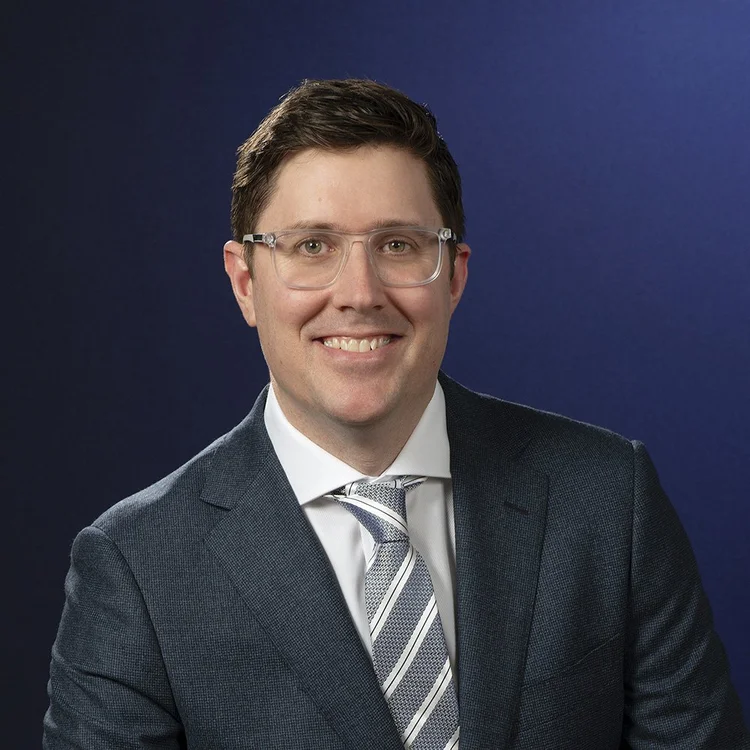
Dr Jack Crozier
Dr Jack Crozier is a Brisbane urologist and fellowship-trained andrologist with a subspecialty practice in male reproductive medicine and reproductive microsurgery.
His advanced andrology fellowship experience at University College London Hospitals included male infertility, surgical sperm retrieval, reproductive microsurgery and complex andrological surgery.
International MicroTESE care is planned around the underlying cause of azoospermia, previous investigations and the patient's wider fertility treatment rather than treating the sperm retrieval procedure in isolation.
Are you the patient or the referring fertility specialist?
International patients can contact the practice directly. Referring clinicians can use the dedicated clinician pathway.
Begin your MicroTESE assessment before arranging major travel
Tell the rooms where you live, that you are seeking assessment for azoospermia or MicroTESE, and whether you already have a fertility or IVF specialist.
Refer an international patient
Clinicians can refer patients requiring specialist assessment for non-obstructive azoospermia, MicroTESE or complex surgical male fertility care.
Understand your fertility pathway
Questions patients commonly ask before travelling
Can I begin the assessment before travelling to Australia?
Where clinically appropriate and permitted, previous fertility records and investigations may be reviewed and an initial consultation may be possible before travel. An in-person examination or additional investigation may still be required before treatment is confirmed.
I have azoospermia. Does that mean I need MicroTESE?
No. Azoospermia can occur for several reasons. MicroTESE is mainly considered for appropriately selected men with non-obstructive azoospermia. Men with obstruction or a reversible hormonal cause may have a different treatment pathway.
Can I have MicroTESE after a failed TESE or TESA?
Sometimes. The previous procedure, operative findings, laboratory results, hormones, genetics and underlying cause of azoospermia should be reviewed before deciding whether another retrieval procedure is reasonable.
Does a high FSH mean MicroTESE will not work?
FSH provides useful information about testicular function but cannot reliably determine by itself whether small areas of sperm production remain. It should be interpreted alongside the rest of the fertility assessment.
Will I need genetic testing before MicroTESE?
Genetic assessment is commonly relevant in non-obstructive azoospermia. Certain genetic findings can affect the likely cause, implications for future children and whether surgical sperm retrieval should be considered. The tests required depend on the individual situation.
Can you work with my IVF clinic in my home country?
Where clinically and logistically appropriate, planning can involve the patient's fertility specialist and IVF team. Cross-border transport, storage or use of reproductive material requires specific laboratory and regulatory arrangements and cannot be assumed without confirming the individual pathway.
Does my partner need to travel to Brisbane with me?
Not necessarily. Whether your partner needs to travel depends on where IVF treatment will occur, how sperm retrieval is being coordinated and your personal support needs. This should be clarified before booking travel.
How long will I need to remain in Brisbane?
There is no single timeframe for every international patient. The expected stay depends on whether consultation or additional investigation is required before surgery, the treatment plan, your recovery and the timing of postoperative review.
Can I fly home immediately after MicroTESE?
Return travel should not be assumed before surgery. Appropriate timing depends on the procedure, your recovery and your individual health circumstances. Discuss your proposed return flight before making inflexible arrangements.
What happens if no sperm are found?
The surgical and laboratory findings can be reviewed together with your genetics, hormones, previous procedures and fertility goals. In selected circumstances another approach may be considered, while for others further sperm retrieval may have a very low expected benefit. Alternative fertility options can also be discussed with your fertility team.
Can I receive cost information before travelling?
Once the likely clinical pathway has been established, the rooms can advise how relevant estimates are obtained. Surgical, hospital, anaesthetic, pathology and fertility laboratory services may involve separate providers and separate charges.
Have you been told that no sperm were found in your semen?
An international assessment can help clarify why azoospermia has occurred, whether further investigations are required and whether MicroTESE should form part of your fertility treatment plan before you make major travel arrangements.
Medical information disclaimer: This page provides general educational and travel-planning information and does not replace individual medical advice, diagnosis or informed consent. MicroTESE is not appropriate for every person with azoospermia, and sperm retrieval cannot be guaranteed. Finding sperm does not guarantee fertilisation, embryo development, pregnancy or live birth. Suitability for consultation, telehealth, surgery, international travel and coordination with an overseas fertility service depends on the patient's individual clinical circumstances and applicable professional, laboratory, legal and administrative requirements. Do not start, stop or change prescribed medication based on information on this website. Patients with urgent medical concerns should seek appropriate urgent medical care where they are located.