

Electroejaculation in Brisbane
A specialist procedure used to obtain semen in selected men who cannot ejaculate normally, including some men with spinal cord injury and neurological ejaculatory dysfunction.
Electroejaculation is usually considered within a broader fertility pathway rather than as an isolated procedure. The aim is to obtain sperm safely and then determine how the sample can best be used for fertility treatment.
What is electroejaculation?
Electroejaculation, often shortened to EEJ, is a method of obtaining an ejaculate when the normal neurological pathways involved in ejaculation are not functioning adequately.
During the procedure, a specialised probe positioned in the rectum delivers controlled electrical stimulation near the nerves involved in seminal emission and ejaculation.
The resulting semen is collected and assessed by the fertility laboratory. Depending on sperm number, movement and the wider fertility circumstances, the sample may potentially be used for insemination, IVF or ICSI, or frozen for later treatment.

When might electroejaculation be considered?
Electroejaculation is primarily a semen-retrieval procedure for selected men with anejaculation. It is not a routine treatment for every abnormal semen analysis or every form of male infertility.
Spinal cord injury
Neurological interruption of the ejaculation pathways can make ejaculation difficult or impossible even when sperm production continues.
Other neurological conditions
Selected central or peripheral neurological disorders may interfere with emission or ejaculation and require a specialist reproductive assessment.
Anejaculation
Men who consistently produce no antegrade or retrograde ejaculate may require investigation of neurological, medication-related and other possible causes.
Failed vibratory stimulation
In men with spinal cord injury, electroejaculation may be considered when appropriately performed penile vibratory stimulation has not produced a useful sample.
Fertility preservation
In selected situations the aim may be to obtain and freeze sperm for future reproductive treatment rather than use the sample immediately.
Before surgical retrieval
Where appropriate, assisted ejaculation can avoid or delay the need to retrieve sperm directly from the epididymis or testicle.
A stepwise semen-retrieval pathway
For many men with spinal cord injury who cannot ejaculate, management begins with the least invasive suitable method before progressing to more invasive sperm retrieval.
Penile Vibratory Stimulation
PVS uses controlled vibration to trigger the spinal ejaculation reflex. It is generally the first assisted ejaculation technique considered in appropriately selected men with spinal cord injury.
→Electroejaculation
EEJ may obtain an ejaculate when vibratory stimulation is unsuccessful or unsuitable. It is performed in a controlled specialist setting with appropriate monitoring.
→Surgical Sperm Retrieval
If usable sperm cannot be obtained through ejaculation, sperm may sometimes be retrieved directly from the epididymis or testicle for IVF/ICSI.
The electroejaculation procedure
The exact protocol is individualised according to neurological level, sensation, previous autonomic dysreflexia, bladder management and the fertility laboratory plan.
Preparation
The team confirms the fertility plan, medications, urinary health, neurological history and whether specific autonomic-dysreflexia precautions are required.
Positioning & monitoring
You are positioned safely and observations are monitored. Men at risk of autonomic dysreflexia require an individual blood-pressure monitoring and management plan.
Controlled stimulation
A specialised rectal probe delivers controlled stimulation in the region of the prostate and seminal vesicles to trigger seminal emission and ejaculation.
Semen collection
Antegrade semen is collected into a sterile container. A retrograde fraction from the bladder may also need to be assessed in selected patients.
Laboratory assessment
The fertility laboratory assesses the sample and determines how many useful moving sperm are available for the planned reproductive treatment.
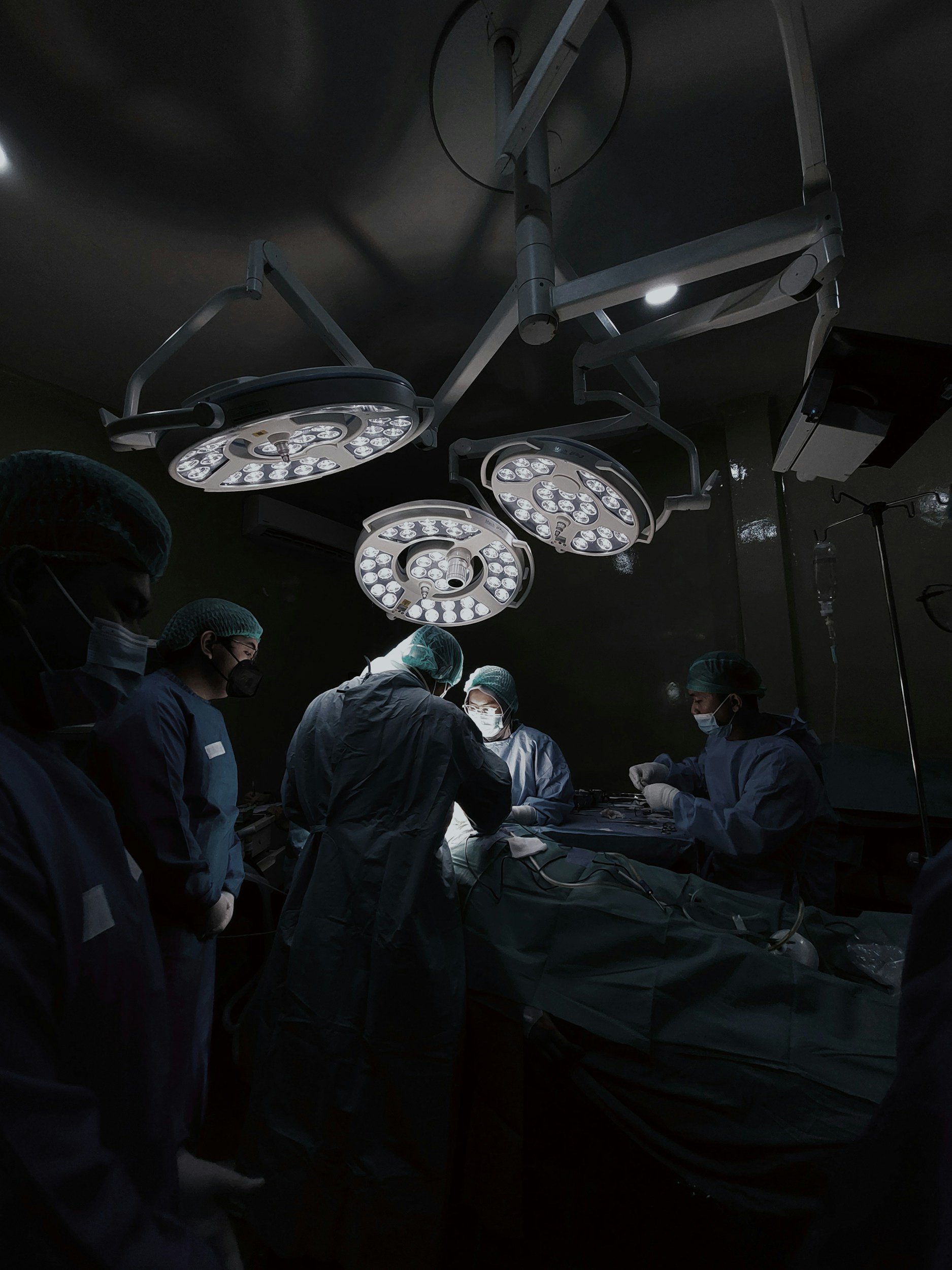
Will I need an anaesthetic?
Anaesthetic requirements are not the same for every patient and depend partly on neurological level and retained pelvic sensation.
Reduced sensation
Some men with spinal cord injury have little or no sensation from the stimulation and may not require a general anaesthetic.
Preserved sensation
When pelvic or rectal sensation is preserved, stimulation may be uncomfortable and sedation or anaesthesia may be appropriate.
Individual planning
Other medical conditions, positioning requirements, autonomic risk and the procedural setting also influence the anaesthetic plan.
Autonomic dysreflexia and spinal cord injury
Men with spinal cord injury at or above approximately T6 can be at risk of autonomic dysreflexia during stimulation below the level of the injury.
Electroejaculation can provide a sufficiently strong stimulus to trigger a sudden rise in blood pressure. This is why a history of autonomic dysreflexia should be identified before the procedure and why monitoring and prevention planning matter.
Autonomic dysreflexia can be a medical emergency
The presence or absence of obvious symptoms does not reliably predict the blood-pressure response. Patients at risk require an individual specialist protocol rather than attempting assisted ejaculation without appropriate medical planning.

Why may the bladder need to be prepared?
During electroejaculation, semen does not always travel entirely forward through the urethra. A proportion can pass backwards into the bladder.
When this is expected, the fertility and urology teams may prepare the bladder before stimulation and may collect urine afterwards to look for additional sperm.
The exact technique depends on the fertility laboratory protocol, bladder management and the individual patient's circumstances.
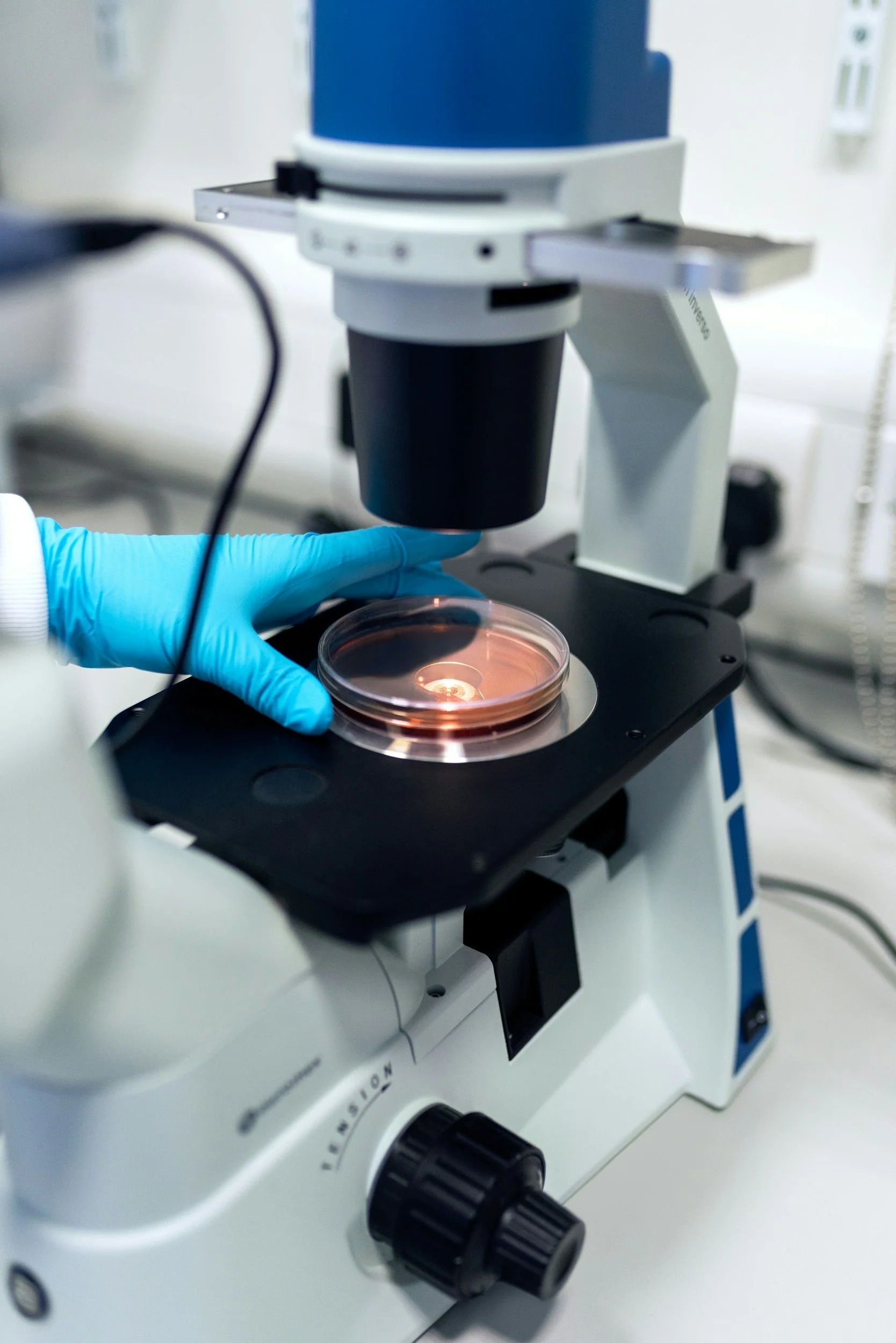
Obtaining an ejaculate is only the first step
Men with spinal cord injury often continue to produce sperm, but semen quality can differ from that seen in men without neurological injury. Sperm movement and viability may be reduced even when sperm concentration is relatively preserved.
The fertility laboratory therefore assesses the actual sample rather than assuming which reproductive treatment will be required in advance.
PVS vs electroejaculation vs surgical sperm retrieval
These approaches are not interchangeable. The most appropriate method depends on neurological function, previous attempts, sperm quality and the intended fertility treatment.
| Feature | Penile Vibratory Stimulation | Electroejaculation | Surgical Sperm Retrieval |
|---|---|---|---|
| Main aim | Trigger the natural spinal ejaculation reflex. | Produce seminal emission using controlled electrical stimulation. | Retrieve sperm directly from the epididymis or testicle. |
| Invasiveness | Least invasive. | Procedural but avoids testicular surgery. | Requires a surgical sperm-retrieval procedure. |
| Typical place in SCI pathway | Usually considered first when clinically appropriate. | Often considered if PVS is unsuccessful or unsuitable. | Considered when assisted ejaculation does not provide adequate usable sperm or another indication exists. |
| Anaesthesia | Usually none. | Depends on sensation and individual circumstances. | Depends on the retrieval technique. |
| Fertility treatment | Depends on the semen sample obtained. | Depends on the semen sample obtained. | Commonly coordinated with IVF/ICSI. |
| Autonomic dysreflexia | Important consideration in high-level SCI. | Important consideration in high-level SCI. | Neurological and anaesthetic risks still require assessment. |
What information is useful before the procedure?
Neurological history
The level and completeness of a spinal cord injury, sensation, spasticity and previous autonomic dysreflexia are important to discuss.
Bladder management
Tell the team whether you void spontaneously, catheterise, have an indwelling catheter or have recurrent urinary infections.
Fertility plan
Clarify whether the sample is being obtained for analysis, freezing, IUI or an IVF/ICSI treatment cycle.
Medications
Bring an up-to-date medication list, including blood-thinning medicines and medications used for bladder, blood pressure, spasticity or sexual function.
Urinary symptoms
New urinary infection symptoms, catheter problems or changes in bladder function should be identified before a planned procedure.
Laboratory coordination
Fertility-laboratory timing and specimen handling should be arranged before the day of retrieval rather than afterwards.
Recovery is usually relatively short
Recovery depends partly on whether sedation or anaesthesia was required and whether catheterisation or other bladder preparation was performed.

What are the possible risks?
The individual risk profile depends on neurological function, sensation, bladder management, anaesthetic requirements and other medical conditions.
Autonomic dysreflexia
A potentially dangerous blood-pressure response can occur in susceptible patients with spinal cord injury.
Rectal discomfort
Temporary discomfort, irritation or minor bleeding can occur following probe placement and stimulation.
Urinary infection
Urinary instrumentation or catheterisation can carry a risk of urinary infection.
Anaesthetic effects
Sedation or anaesthesia, where required, carries its own individual risks and recovery requirements.
Retrograde ejaculation
Some semen can pass into the bladder, which may require additional collection and laboratory processing.
No usable sperm
Producing an ejaculate does not guarantee that sufficient motile or viable sperm will be available for the intended fertility treatment.

Fertility after neurological injury can cross two subspecialties
Men with spinal cord injury may have reproductive issues involving erection, ejaculation and semen quality while simultaneously requiring specialist management of bladder emptying, catheterisation, urinary infection or autonomic dysreflexia.
Dr Jack Crozier's practice includes both male reproductive urology and neuro-urology, allowing these issues to be considered together when relevant to an individual patient.
Related fertility & neuro-urology pathways
Frequently asked questions
Is electroejaculation the first treatment after spinal cord injury?
Not usually. When clinically suitable, penile vibratory stimulation is generally considered first because it is less invasive. Electroejaculation may be considered if vibratory stimulation is unsuccessful or unsuitable.
Does electroejaculation involve surgery on the testicles?
No. Electroejaculation attempts to produce an ejaculate using controlled stimulation. This differs from surgical sperm retrieval, where sperm are obtained directly from the epididymis or testicle.
Is electroejaculation painful?
This depends substantially on neurological function and retained pelvic sensation. Some men with spinal cord injury have little or no sensation during stimulation, whereas men with preserved sensation may require sedation or anaesthesia.
Why is autonomic dysreflexia important?
Men with higher spinal cord injuries can develop a sudden and potentially dangerous rise in blood pressure in response to stimulation below the injury level. Electroejaculation can be a trigger, so patients at risk require appropriate assessment, monitoring and an individual management plan.
Can semen go into the bladder during electroejaculation?
Yes. Retrograde passage of semen can occur. When clinically relevant, the bladder can be prepared before the procedure and urine collected afterwards so the fertility laboratory can look for additional sperm.
Can sperm from electroejaculation be used for IUI?
Sometimes. Whether IUI is reasonable depends on the number and quality of motile sperm after laboratory preparation and on the fertility circumstances of the other partner. IVF or ICSI may be more appropriate when the usable sperm number or motility is limited.
Does a spinal cord injury stop sperm production?
Not necessarily. Many men with spinal cord injury continue to produce sperm. The major problems may instead involve inability to ejaculate and reduced sperm motility or viability.
What if electroejaculation does not obtain usable sperm?
Further options depend on the reason for failure and the wider fertility plan. Surgical sperm retrieval from the epididymis or testicle may be considered in selected men.
Can sperm obtained by electroejaculation be frozen?
Potentially. Whether cryopreservation is appropriate depends on how many usable sperm are obtained, sperm quality, the fertility-treatment plan and laboratory recommendations.
Should my partner's fertility be assessed as well?
Yes. The most appropriate use of retrieved sperm depends not only on the male factor but also on reproductive age, ovarian reserve and other fertility factors affecting the person providing the eggs.
Unable to ejaculate and planning biological fatherhood?
Assessment can clarify whether penile vibratory stimulation, electroejaculation, surgical sperm retrieval or another pathway is appropriate, while also considering semen quality, autonomic risk and the fertility circumstances of both partners.