

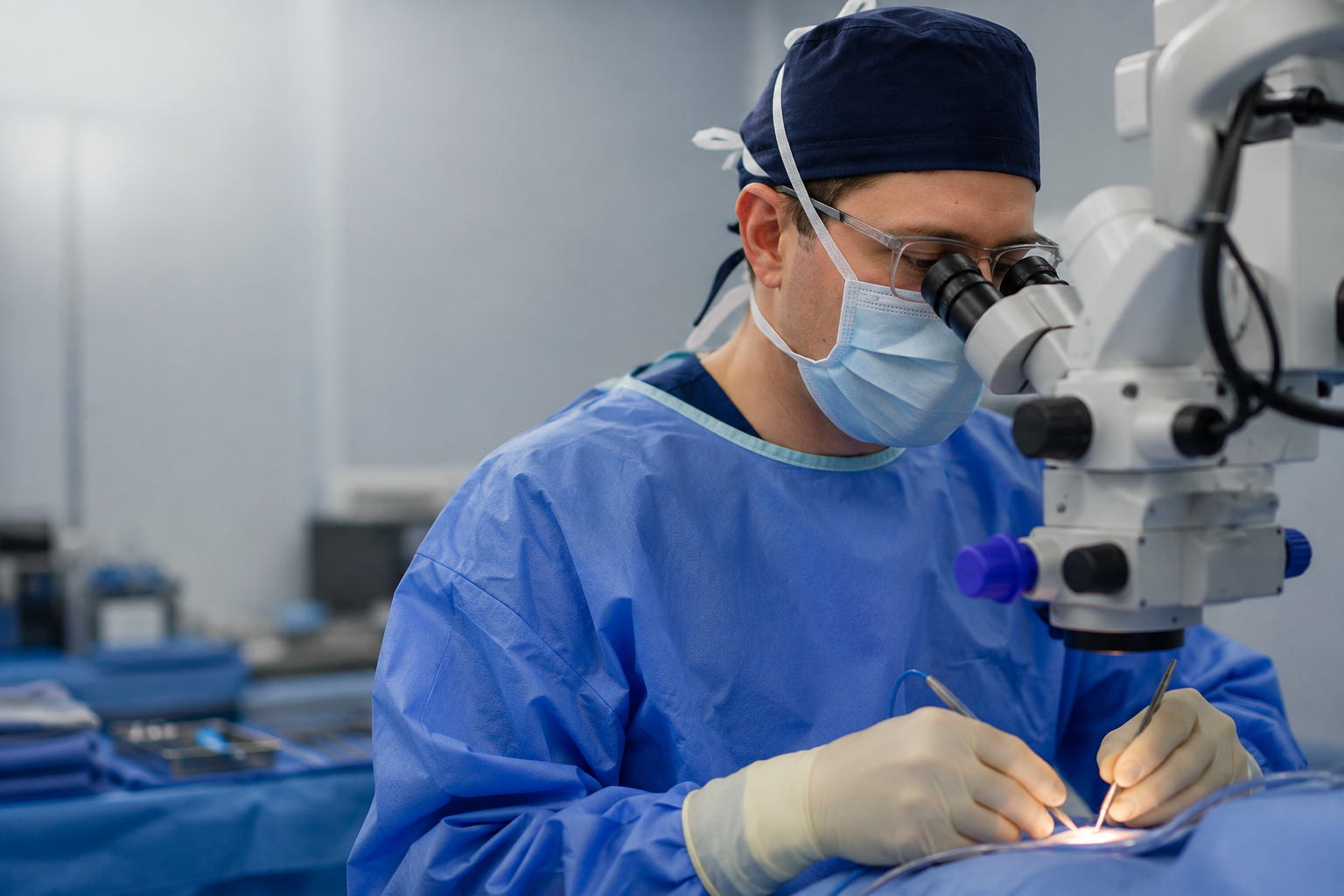
Glansectomy & Neoglans Reconstruction for Penile Cancer
Selected penile cancers that invade the glans can sometimes be treated by removing part or all of the glans while preserving the penile shaft.
Reconstruction can then create a new surface at the end of the penis — often called a neoglans — commonly using a skin graft.
What is a glansectomy?
The glans is the head of the penis. When an invasive penile cancer is confined to the glans, it may sometimes be possible to remove the affected glans tissue while leaving the underlying penile shaft in place.
This operation is called a glansectomy.
Depending on the location and extent of the tumour, part of the glans or the whole glans may need to be removed.
The end of the preserved shaft can then be reconstructed, commonly with a skin graft, to form a new surface or neoglans.
Its role is to achieve adequate cancer removal while preserving the penile shaft when the tumour remains confined to an anatomically suitable area.

When is glansectomy considered?
Glansectomy usually enters the discussion when disease extends deeper than can appropriately be treated by resurfacing or a small local excision, but still remains sufficiently confined to the glans for the shaft to be preserved.
PeIN / superficial disease
Selected disease confined to the surface may be treated with local therapy or glans resurfacing.
Glansectomy
Selected invasive disease confined to the glans may be treated while preserving the shaft.
Partial penectomy
More extensive resection may be required when the tumour invades deeper penile structures.
Total penectomy
Occasionally required when a large local tumour cannot be safely treated with a lesser operation.
Who may be suitable for glansectomy?
Glansectomy is generally considered for selected invasive tumours located within the glans when adequate cancer clearance can be achieved without removing the penile shaft.
Features that may support glansectomy include:
- invasive tumour confined predominantly to the glans
- no clear involvement of the corpora cavernosa
- disease too deep or extensive for resurfacing alone
- ability to achieve an appropriate surgical margin
- anatomy suitable for reconstruction
- willingness to undergo careful penile and groin follow-up
Glansectomy may not be sufficient when:
- cancer clearly invades the corpora cavernosa
- disease extends substantially into the shaft
- adequate margins cannot be achieved with glansectomy
- a large local recurrence cannot be managed safely with further organ-preserving surgery
- tissue quality makes reconstruction unsuitable
Cancer clearance takes priority over preserving the glans or penile length.
How is the extent of the cancer assessed?
Treatment cannot be selected from appearance alone.
Planning may include:
- clinical examination of the penis and glans
- review of biopsy pathology
- assessment of tumour position and size
- examination of both groins
- review of previous operations or topical treatments
- MRI or ultrasound in selected cases when the depth of local invasion is uncertain
- additional staging according to the tumour and lymph-node risk
These are the main erectile bodies within the shaft. Clear involvement usually changes the surgical discussion toward a more extensive resection.
Partial or total glansectomy?
The extent of glans removal is determined by the tumour rather than by a fixed preference for one operation.
Partial glansectomy
Part of the glans is removed while uninvolved glans tissue is retained.
This may be possible when the tumour is localised and an appropriate cancer margin can be achieved without removing the entire glans.
Reconstruction is tailored to the resulting defect.
Total glansectomy
The glans is removed while the penile shaft is preserved when oncologically appropriate.
A new surface is then created over the distal end of the preserved shaft, commonly using a split-thickness skin graft.
The urethral opening is reconstructed as part of the procedure.
How is glansectomy performed?
The exact operation is tailored to the tumour, its location and the depth of tissue that needs to be removed.
The broad surgical sequence is:
Define the tumour
The location and extent of the tumour are reviewed and the planned surgical margin is defined before resection.
Remove the affected glans
Part or all of the glans is removed according to the extent and depth of the cancer while preserving the penile shaft when this remains oncologically appropriate.
Prepare the penis for reconstruction
The preserved erectile tissues and urethral opening are carefully prepared so the distal penis can be reconstructed.
Reconstruct the neoglans
A skin graft or another appropriate reconstructive technique is used to create a new distal penile surface and functional urethral opening.
What is a neoglans?
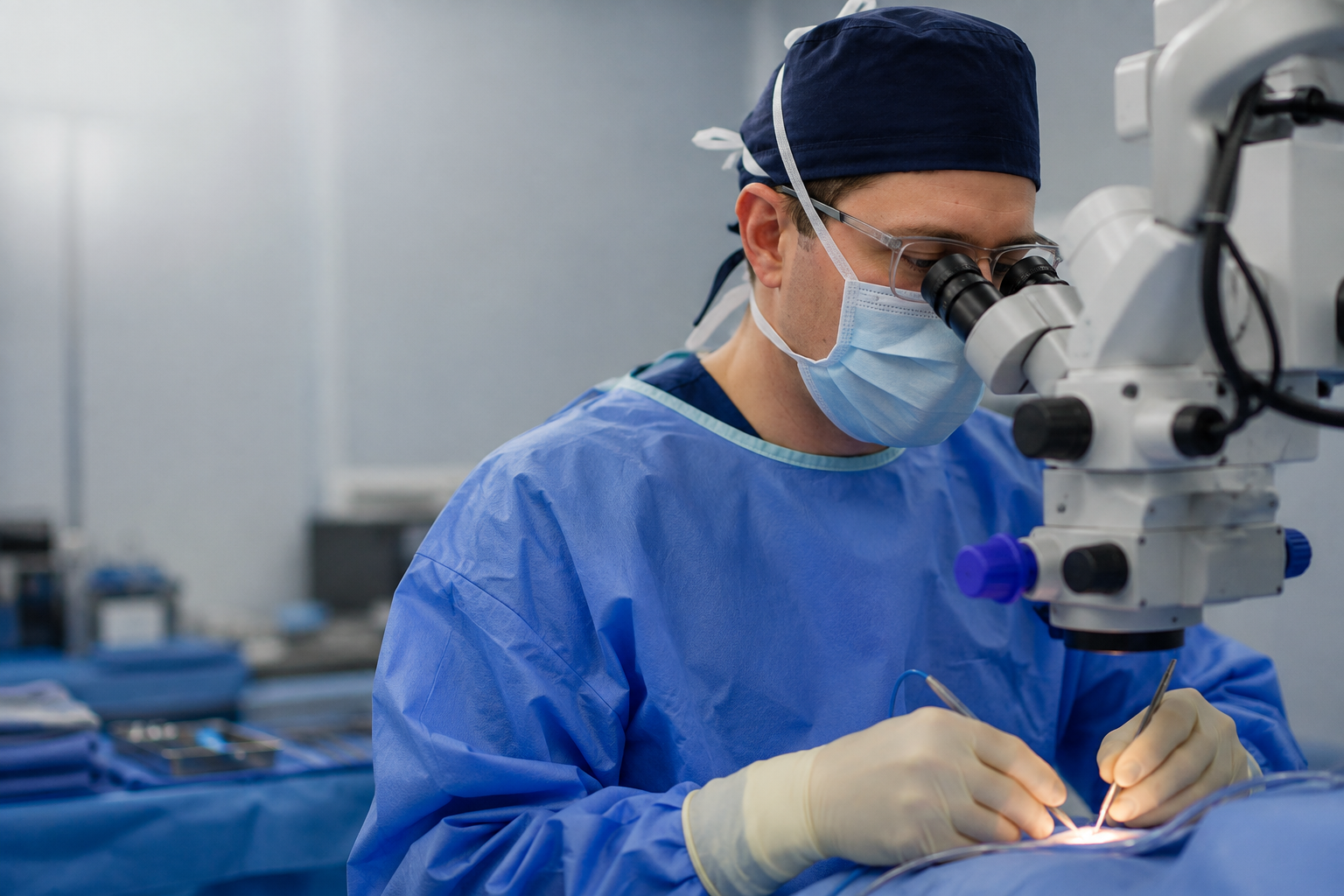
A neoglans is a reconstructed surface created at the end of the preserved penile shaft after glansectomy.
It does not recreate the original glans tissue.
Instead, reconstruction aims to provide:
- a healed covering over the distal erectile bodies
- a functional urethral opening
- a rounded distal penile contour where possible
- preservation of useful penile length
- a practical surface for hygiene and sexual function
How is a neoglans reconstructed?
A split-thickness skin graft is commonly used.
A thin layer of skin is harvested from another body site, often the thigh, and secured over the distal end of the preserved shaft.
The graft is shaped to create a smooth covering around the end of the erectile bodies and reconstructed urethral opening.
A supportive dressing is used during early healing so the graft remains in close contact with the tissue beneath it.
Glans resurfacing, glansectomy or partial penectomy?
These operations treat different depths of disease. They should not be considered interchangeable.
Glans Resurfacing
Removes diseased epithelium while preserving the deeper glans.
- PeIN
- selected superficial disease
- deeper glans retained
- skin graft commonly used
Glansectomy
Removes part or all of the glans while preserving the shaft where cancer anatomy allows.
- selected invasive glans cancer
- partial or total procedure
- shaft retained
- neoglans reconstruction possible
Partial Penectomy
Removes the tumour together with part of the penile shaft.
- deeper invasive disease
- corporal involvement
- greater impact on penile length
- used when a lesser operation is not oncologically adequate
What happens to urination, erections and sexual function?
Preserving the shaft can retain meaningful urinary and sexual function, but glansectomy changes penile anatomy and sensation.
Urination
The urethral opening is reconstructed at the distal end of the penis.
Many men can continue to pass urine while standing, although the stream may differ from before surgery.
Narrowing of the urethral opening can occur and occasionally requires treatment.
Erections
The erectile bodies of the shaft are preserved when the cancer does not require their removal.
Erections may therefore remain possible after glansectomy, although erectile function can also be affected by age, vascular health, cancer treatment and psychological factors.
Sensation & sexual activity
The original glans and its specialised sensory tissue are partially or completely removed.
Sensation therefore changes, although penile shaft sensation remains and some men continue penetrative sexual activity after healing.
Reconstruction aims to preserve useful anatomy and function while prioritising appropriate cancer treatment.
What happens to penile length?
One of the potential advantages of glansectomy over partial penectomy is preservation of more of the penile shaft.
However, the natural glans itself contributes to overall penile length, so the penis will not be anatomically identical after glansectomy.
Neoglans reconstruction creates a new distal surface but does not recreate the original erectile glans tissue.
The operation is only one part of the cancer pathway
The removed tissue is examined by pathology after surgery.
The final report can provide information about:
- tumour type
- tumour grade
- depth of invasion
- involvement of surrounding structures
- lymphovascular or perineural invasion where relevant
- surgical margins
Treating the primary penile tumour and staging the groin lymph nodes are related but separate decisions.
Does glansectomy treat the lymph nodes?
No.
Glansectomy treats the primary penile tumour. Penile cancer most commonly spreads first to lymph nodes in the groin, so appropriate lymph-node staging is considered separately.
The need for additional lymph-node assessment depends on the final stage and pathological risk of the penile tumour and the clinical findings in the groins.
Recovery after glansectomy & neoglans reconstruction
Recovery involves both the cancer resection site and the reconstructive graft or wound.
Catheter
A urinary catheter is commonly used temporarily while the distal urethra and surrounding reconstruction begin to heal.
Graft dressing
A supportive dressing helps keep the graft in contact with the underlying tissue during early healing.
Donor site
Where a skin graft is used, the donor site — often the thigh — also requires a dressing and recovery period.
Appearance
The reconstructed end of the penis can initially look swollen, irregular or discoloured. Appearance changes significantly as the graft matures.
Sexual activity
Sexual activity is avoided during early healing and resumed according to wound recovery and postoperative review.
Pathology & follow-up
Final pathology is reviewed and the penile and lymph-node surveillance plan is then confirmed.
Risks and limitations
Surgical & reconstructive risks
- pain and swelling
- bleeding or haematoma
- infection
- partial graft loss
- complete graft failure
- delayed healing
- donor-site discomfort or scarring
- urethral or meatal narrowing
- urinary spraying
Cancer & functional considerations
- positive or close surgical margins
- local cancer recurrence
- need for additional penile surgery
- need for groin lymph-node staging or treatment
- altered penile appearance
- loss or reduction of glans sensation
- change in sexual function
- erectile dysfunction
When might partial penectomy be required instead?
Glansectomy is not appropriate when adequate cancer clearance requires removal of deeper penile shaft tissue.
Corporal invasion
Involvement of the corpora cavernosa is an important threshold that generally requires more extensive penile resection.
Extensive local tumour
A tumour extending well beyond the glans may not be safely treated by glansectomy alone.
Recurrence
Some recurrent tumours can still be treated with further penile-preserving surgery, while larger or deeper recurrence may require partial penectomy.
Follow-up matters after glansectomy
Penile-preserving surgery retains penile tissue and therefore requires ongoing inspection for local recurrence.
Follow-up may include:
- inspection of the neoglans and penile shaft
- assessment of the urethral opening
- review of urinary stream
- groin lymph-node surveillance according to stage
- assessment of erectile and sexual function
- review of reconstructive concerns
From diagnosis to reconstruction and surveillance
Confirm the diagnosis
Existing biopsy and pathology are reviewed and further tissue diagnosis arranged if required.
Define local tumour extent
Examination and selected imaging determine whether the tumour appears confined to the glans or extends deeper.
Plan penile and lymph-node treatment
The primary tumour operation and groin staging pathway are considered separately but together as part of the overall cancer plan.
Glansectomy and reconstruction
Part or all of the glans is removed and the distal penis reconstructed where clinically appropriate.
Review final pathology
Tumour stage, grade, margins and other risk factors guide any further treatment or lymph-node staging.
Surveillance and functional recovery
Follow-up monitors cancer recurrence, the groins, reconstruction, urinary function and sexual function.

Dr Jack Crozier
Dr Jack Crozier is a Brisbane urologist with advanced fellowship experience in uro-oncology, andrology and reconstructive urology.
His practice includes penile cancer, penile-preserving surgery and reconstructive management following penile and genital surgery.
Travelling to Brisbane for a penile cancer opinion?
Patients with an established penile cancer diagnosis may be able to provide existing investigations before major travel arrangements are made.
Useful records can include:
- biopsy and pathology reports
- previous penile operation reports
- MRI, CT, PET or ultrasound images and reports
- clinical photographs where available
- oncology correspondence
- previous specialist letters
An in-person examination or further staging may still be required before a definitive surgical recommendation can be made.

Explore related information
Penile Cancer
Understand diagnosis, penile treatment, groin lymph-node staging and follow-up.
Glans Resurfacing
Learn about surface-preserving surgery for PeIN and selected superficial penile cancers.
Penile & Genital Reconstruction
Explore reconstructive options following penile and genital surgery.
Penile & Testicular Cancer
Return to the broader specialist cancer treatment hub.
Does Penile Cancer Mean the Penis Has to Be Removed?
Understand the different levels of penile-preserving cancer surgery.
Penile Cancer Assessment
Request specialist assessment in Brisbane or begin planning from interstate or overseas.
Glansectomy & neoglans reconstruction FAQs
What is a glansectomy?
Glansectomy is surgery to remove part or all of the glans, or head of the penis. In selected penile cancers confined to the glans, the penile shaft can be preserved.
What is a neoglans?
A neoglans is a reconstructed surface created over the distal end of the preserved penile shaft after glansectomy. A skin graft is commonly used.
Does glansectomy mean the whole penis is removed?
No. Glansectomy removes the glans while preserving the penile shaft when this can be achieved safely from a cancer perspective.
What is the difference between glans resurfacing and glansectomy?
Glans resurfacing removes the diseased epithelial surface while preserving the deeper glans. Glansectomy removes part or all of the glans itself and is generally used for more deeply invasive disease.
What is the difference between partial and total glansectomy?
Partial glansectomy removes only part of the glans. Total glansectomy removes the entire glans while preserving the underlying penile shaft where oncologically appropriate.
When is glansectomy used for penile cancer?
It may be considered for selected invasive cancers confined to the glans when the tumour cannot be adequately treated by a smaller operation but the penile shaft can still be safely preserved.
Can I still get an erection after glansectomy?
The erectile bodies of the penile shaft are preserved when tumour anatomy allows, so erections may remain possible. Erectile function varies according to baseline health, surgery and other individual factors.
Can I still have sexual intercourse after glansectomy?
Some men retain sufficient penile length and erectile rigidity for penetrative intercourse after healing, although penile sensation and sexual experience change because some or all of the natural glans has been removed.
Will penile sensation be normal after glansectomy?
The glans contains specialised sensory tissue and its removal changes sensation. Shaft sensation remains, but the reconstructed neoglans does not feel identical to the natural glans.
Can I still urinate standing up?
Many men can continue to pass urine through the distal urethral opening and may be able to urinate standing. Stream direction can change, and narrowing or spraying can occur in some patients.
Where does the neoglans skin graft come from?
A thin split-thickness skin graft is commonly harvested from the thigh or another suitable donor site.
Can the skin graft fail?
Yes. Partial or complete graft loss is a recognised risk. Infection, bleeding beneath the graft, tissue blood supply and other healing factors can influence graft take.
Can the urinary opening become narrow?
Yes. Meatal or urethral narrowing is a recognised complication after glansectomy and reconstruction and may occasionally require further treatment.
Will my penis be shorter after glansectomy?
The natural glans is removed partly or completely, so penile anatomy and overall length change. However, glansectomy can preserve substantially more of the shaft than partial penectomy when it is oncologically appropriate.
Can penile cancer come back after glansectomy?
Yes. Local recurrence can occur after penile-preserving surgery. Careful surveillance of the remaining penis is therefore important.
Does glansectomy mean I do not need groin lymph-node surgery?
No. The penile operation and lymph-node pathway are separate parts of treatment. The need for lymph-node staging depends on tumour stage, grade, pathological risk and groin findings.
When would partial penectomy be required instead?
Partial penectomy may be required when cancer extends more deeply into the penile shaft, particularly when the corpora cavernosa are involved or adequate cancer clearance cannot be achieved with glansectomy.
Does every glansectomy require neoglans reconstruction?
Not necessarily. Reconstruction depends on the tissue removed, wound, patient health, blood supply and individual treatment plan. Skin-graft neoglans reconstruction is a commonly used option following total glansectomy.
Can I be assessed if I live interstate or overseas?
Potentially. Existing pathology, imaging, operation reports and specialist correspondence can be useful for preliminary planning. An in-person examination or further staging may still be required before a definitive treatment plan is made.
Have you been told you may need surgery for cancer of the glans?
Specialist assessment can help clarify whether glans resurfacing, partial or total glansectomy with reconstruction, partial penectomy or another treatment pathway is appropriate based on tumour pathology, local extent and lymph-node risk.
Medical information disclaimer: This page provides general educational information and does not replace individual medical advice, diagnosis or informed consent. Penile cancer treatment depends on tumour location, pathology, depth of invasion, stage, grade, margin requirements, lymph-node findings, previous treatment, tissue quality, general health and individual circumstances. Penile-preserving surgery is appropriate only when adequate cancer treatment can still be achieved. Glansectomy and reconstruction can alter penile appearance, sensation, urinary function and sexual function and can be associated with graft complications, urethral narrowing, local recurrence and the need for further cancer treatment. Individual outcomes cannot be guaranteed.