Vasectomy
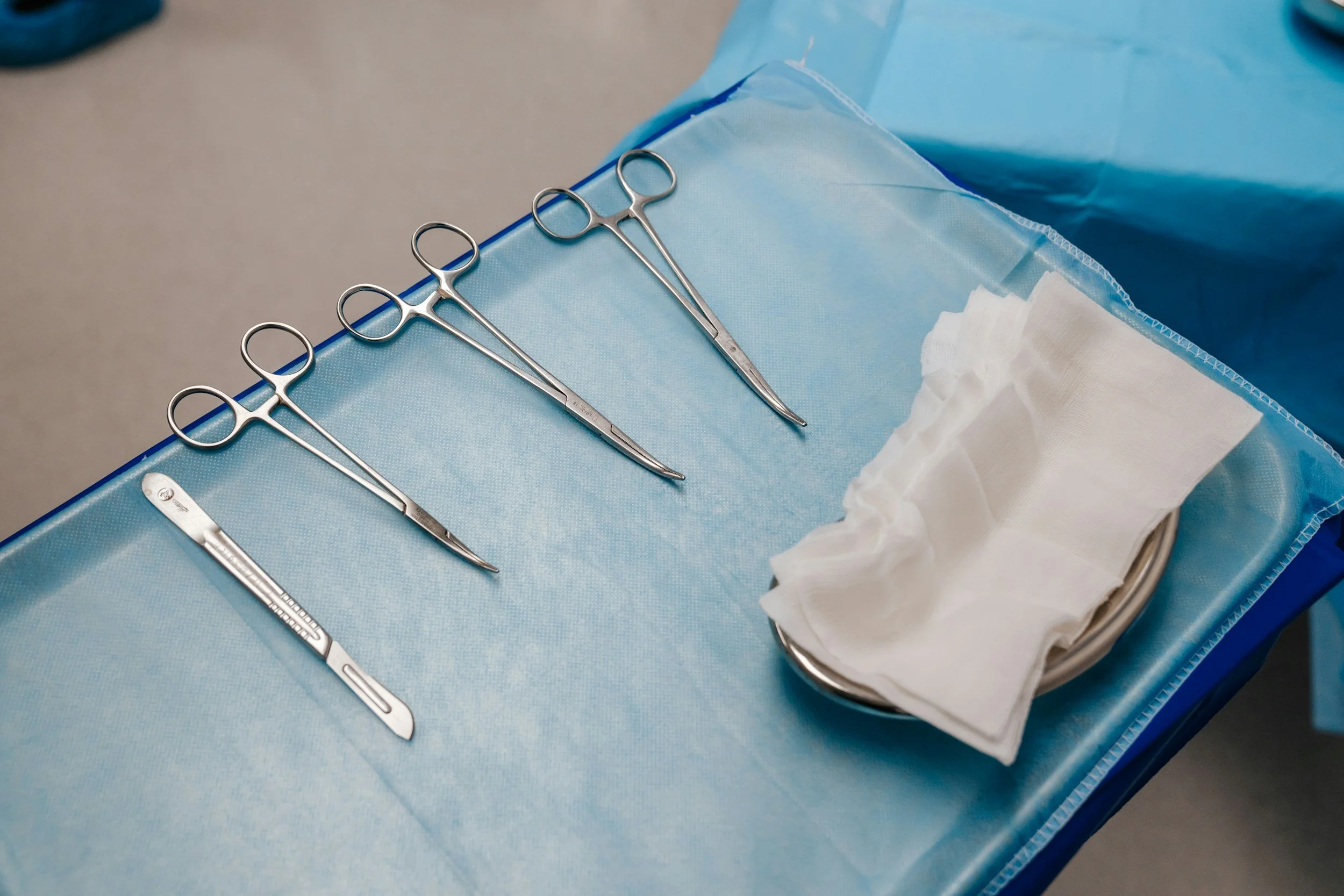
What is a vasectomy?
A vasectomy is a surgical procedure to cut and seal the tubes (vas deferens) that carry sperm from the testicles. You are NOT sterile straight away after a vasectomy. Therefore you must use an alternative contraceptive method initially. You will perform a post vasectomy semen analysis to confirm it has been successful. Once confirmed sterile, you will no longer be able to make a woman pregnant naturally. You will still ejaculate normally, but the semen will not contain sperm. To perform this procedure, two small incision in the scrotum are required to access each vas. This procedure is performed under a general anaesthetic as a day procedure.
Preparation for Surgery
Deciding on a vasectomy
A vasectomy should be considered permanent contraception
It may not always be the right decision if you feel pressured, are under significant stress or are unsure about future plans
Vasectomy reversal is not guaranteed and should not be relied upon as a backup plan
Before surgery
You will receive specific instructions:
Fasting - typically no food or drink for 6 hrs prior to surgery
Medications - You may be asked to stop certain medications such as blood-thinners prior to surgery
Transport - You cannot drive yourself home after a general anaesthetic. Arrange a responsible adult to take you home and stay with you that evening.
Work and activity planning - plan for at least 2 weeks of light activity after surgery
Supportive underwear - have firm supportive underwear available to wear for 1 month after surgery
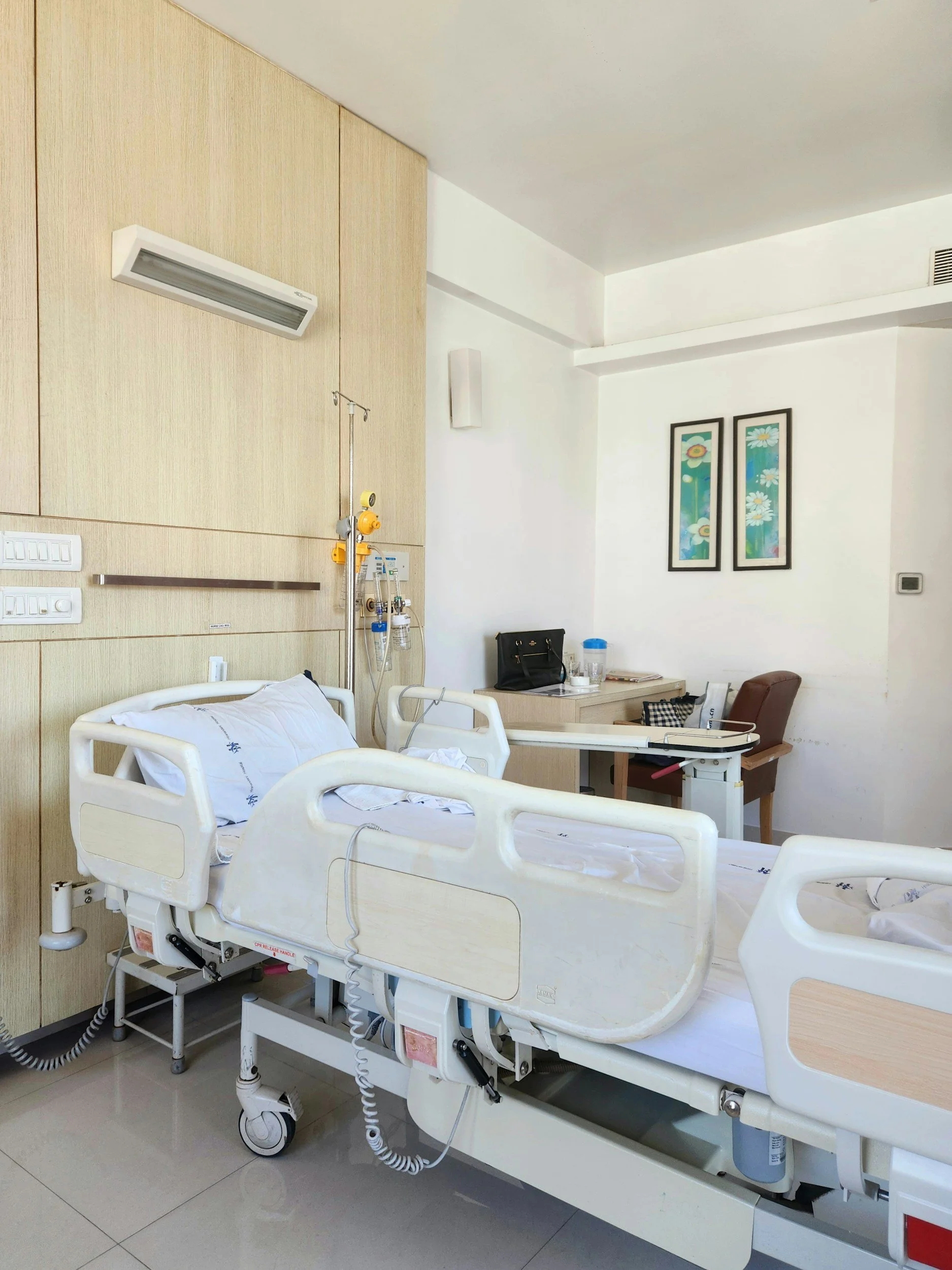
Day of Surgery
Admission and anaesthetic
You will check in as a day patient
The team will confirm your consent, medical history and fasting status
A general anaesthetic means you will be fully asleep for the procedure
After surgery, you will wake in recovery and be monitored until it is safe to go home
The procedure
You will have two small incisions in the scrotum to access each vas deferens
The skin is closed with an absorbable suture
Going home
Most men go home the same day, once comfortable, eating/drinking and passing urine
You will need an adult escort and should rest at home for the remainder of the day
Aftercare and Recovery
In the first few days
Pain, swelling and bruising are common and mild
Ensure you wear supportive underwear to help during this period
Take simple analgesia such as paracetamol and ibuprofen
Keep the area clean and dry - you can shower but avoid soaking in baths/swimming pool for 2 weeks
Activity
Take it easy for 24-48 hrs
Avoid heavy lifting, strenuous exercise and sexual activity for 2 weeks
Return to work depends on your role
desk-based work - 1-2 days
physical work - may need 1-2 weeks
Medications
You will be provided specific advice about restarting medications that were withheld for surgery
Sex and contraception - very important
You are NOT sterile straight away after a vasectomy
Sperm can remain in the ejaculate for some time
You must use an alternative method of contraception until you have a semen test confirming you are sterile
Many men need at least 20 ejaculations and a wait of several weeks before confirming you are no longer fertile on a semen test
Testing will be arrange with the clinic around 3 months
Only stop contraception when you are told it is safe to do so based on your test results
Possible risks and complications
Bruising, swelling and pain in the scrotum are common
Wound infection
Sperm granuloma
Chronic scrotal pain - rare
Early or late recanalisation
The tubes can remain open or reconnect which can lead to pregnancy even after the procedure
This is why post vasectomy semen analysis is essential
Regret
When to Seek Medical Advice
Contact your doctor or seek urgent care if you experience:
Rapidly increasing swelling, severe pain, a very enlarged scrotum
Fever or feeling unwell
Increasing redness, warmth, pus/discharge
Persistent bleeding
Any concern that symptoms are getting worse rather than better