Transurethral resection of ejaculatory duct
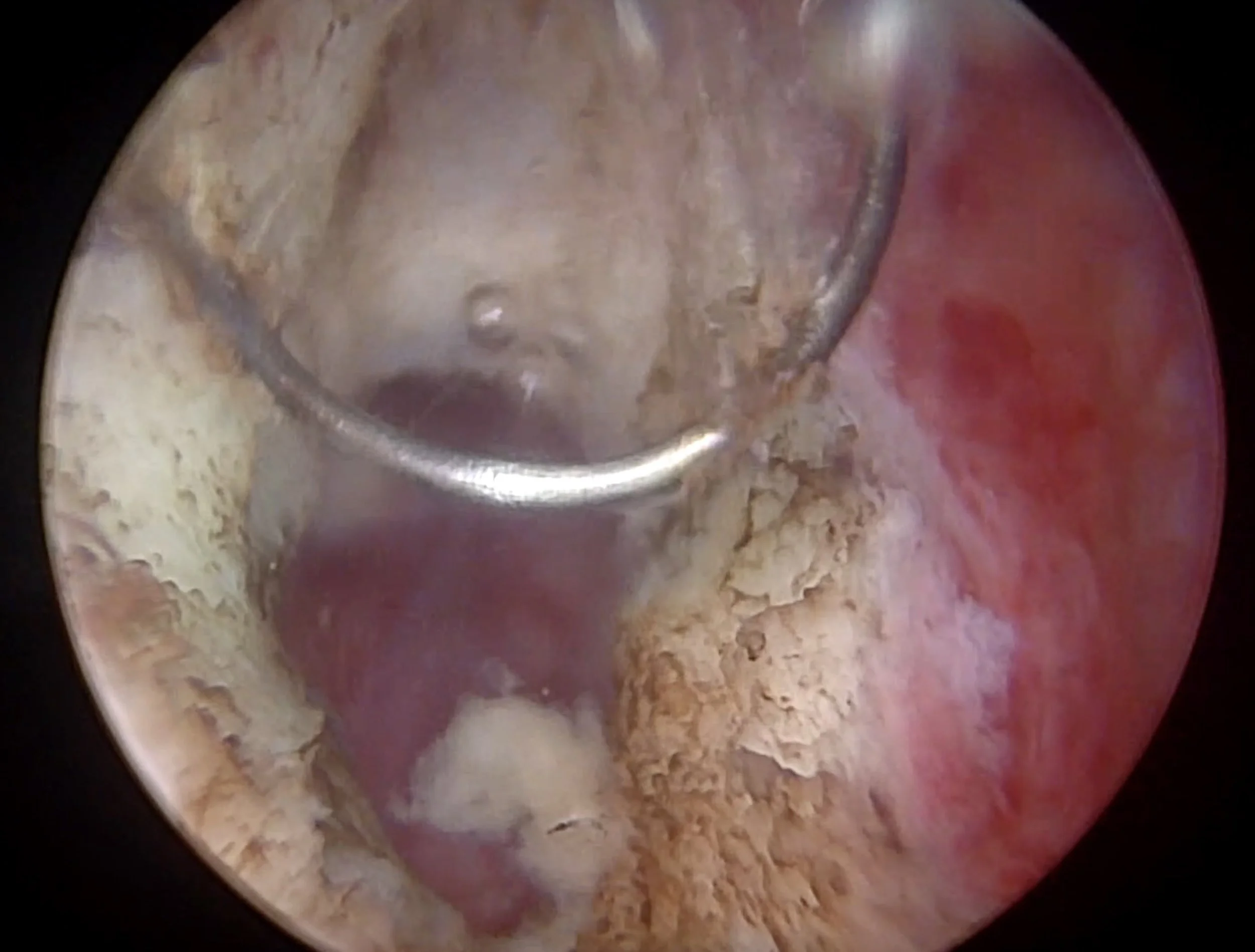
What is a TURED?
A Transurethral Resection of the Ejaculatory Ducts (TURED) is a minimally invasive endoscopic procedure performed to relieve blockage of the ejaculatory ducts. Obstruction can interfere with the normal flow of semen and may contributed to infertility, painful ejaculation, low semen volume, or recurrent infections.
The procedure is performed through the urethra (the natural urinary passage) and does not involve external incisions.
Preparation for Surgery
Before surgery, you may undergo:
Semen analysis and hormonal blood tests
Ultrasound imaging (e.g. transrectal ultrasound)
Possibly MRI or vasography, depending on your case
In preparation for surgery:
You will be given specific advice about stopping blood-thinning medications prior to surgery
Do not eat or drink for at least 6 hours prior to surgery
Day of Surgery
The procedure is performed under general anaesthesia
A small camera (cystoscope) is passed through the urethra
The opening of the ejaculatory duct is identified and carefully resected to relieve obstruction
The procedure typically takes 30-60min
a temporary urinary catheter will be placed at the end of the procedure
Expect to stay in hospital overnight
The catheter usually removed the following morning
Aftercare and Recovery
In the first few days
Expect mild discomfort when passing urine
Light bleeding in urine and semen is expected to
Activity
avoid heavy lifting, strenuous exercise and sexual activity for 2-4 weeks
Medications
You will be provided specific advice about restarting medications that were withheld for surgery
Follow up
Review appointment usually at 6-8 weeks
Repeat semen analysis may be performed several months after surgery to assess for improvement in semen parameters
Possible risks and complications
While TURED is generally safe, potential risks include:
Watery ejaculate (low viscosity) - usually permanent
importantly does not necessarily indicate infertility
Reflux of urine and associated epididymo-orchitis
Haematospermia
Urinary symptoms - dysuria, urinary frequency
Retrograde ejaculation
Re-obstruction/scar formation
No improvement in fertility/semen parameters
Urethral stricture
When to Seek Medical Advice
Contact your doctor or seek urgent care if you experience:
fever or chills
inability to pass urine
increasing pain or swelling
heavy or persistent bleeding