Penile implant surgery
Preparation for surgery
In the weeks before
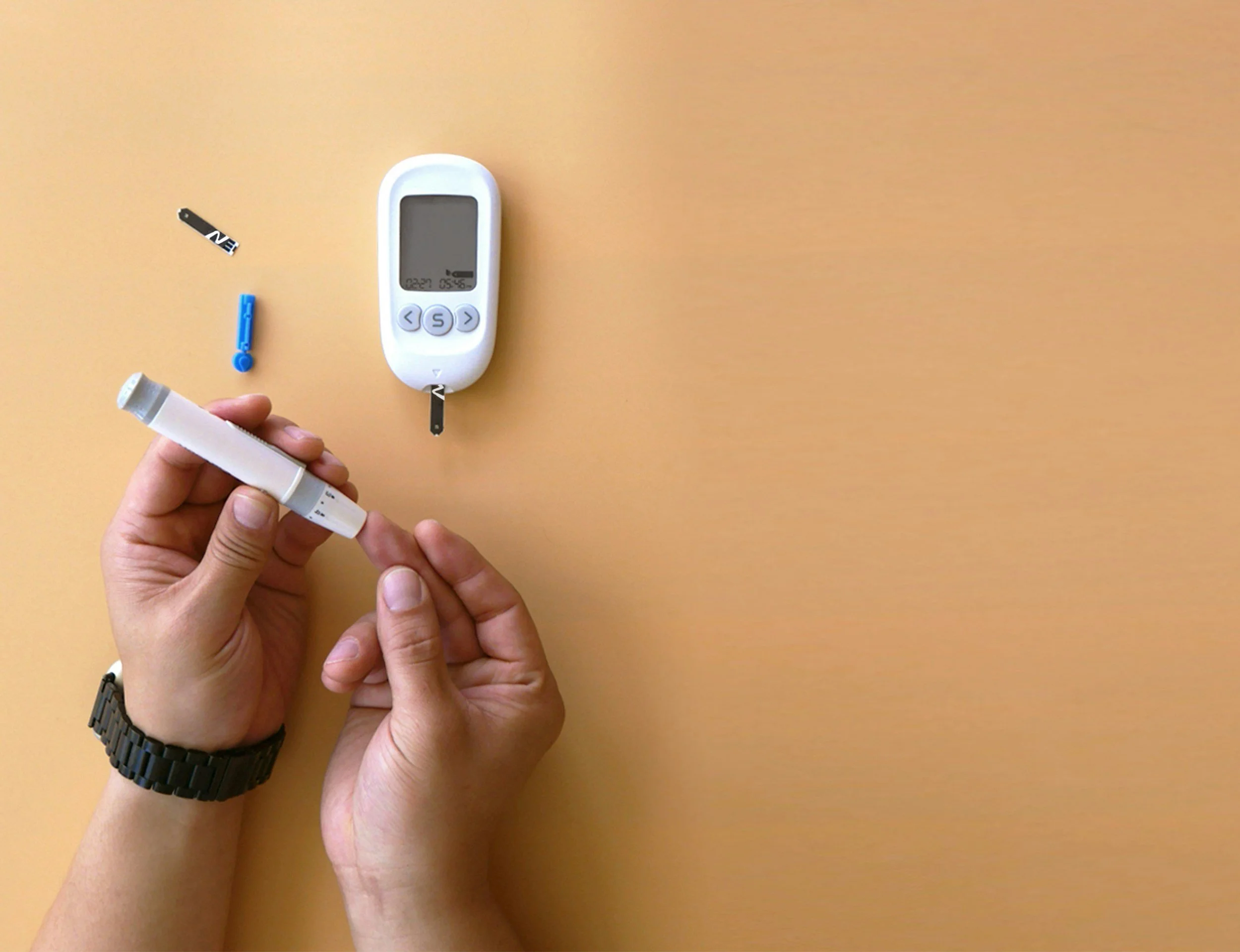
Medical optimisation matters: good diabetes control and stopping smoking reduce infection risk. You will be asked to have a urine test (to ensure sterile urine) and a MRSA screen.
Tell your surgeon if you’ve had prior pelvic surgery (e.g. prostate surgery) or hernia repair, or if you’ve had Peyronie’s disease/priapism/previous penile surgery, as this can change operative planning
Medications: your team will advise what to do with blood thinners/antiplatelets and supplements
The night before/morning of
Fasting: follow your fasting instructions (typically nil by mouth for 6 hrs prior to surgery)
Avoid shaving the genital area at home
Day of surgery
You will be admitted, meet your anaesthetist and nursing team, and have final checks.
What happens during the surgery
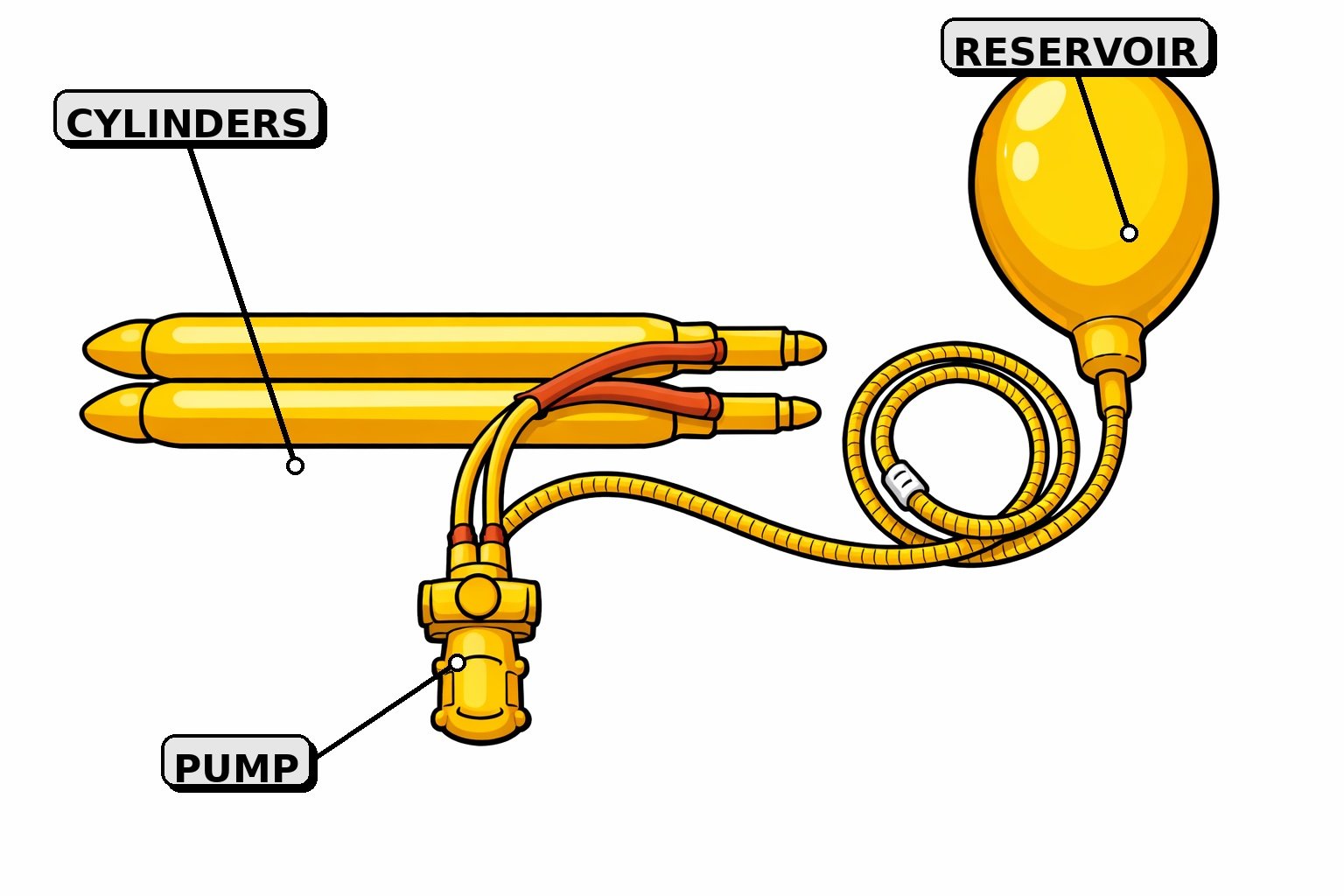
Previously selected penile prosthesis (malleable or 3-piece) will be sized and implanted
An indwelling urinary catheter is inserted and this is usually removed on postoperative day 1
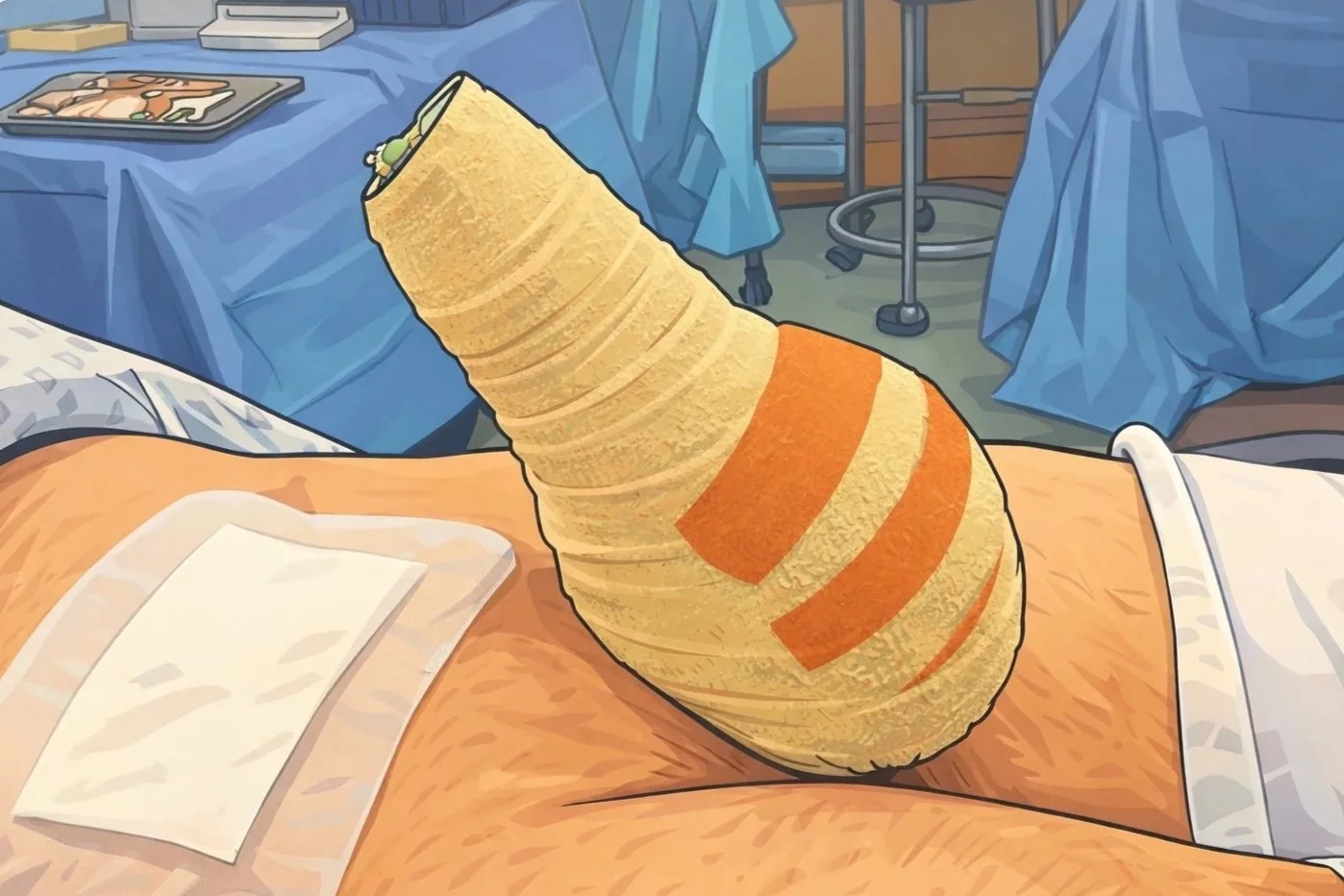
To reduce bruising/haematoma, your surgeon will place a small suction drain and wrap the penis/scrotum in a crepe bandage
Expected inpatient stay
Most patients go home 1-2 days after surgery (this varies with surgeon preference, your medical history, and how you recover)
The catheter is removed the morning after surgery
Before discharge you should be:
comfortable on oral pain relief
passing urine
walking safely
clear on wound care and follow-up
After care
What to expect (first few days)
Swelling and bruising of the penis/scrotum is common
Pain is common but will resolve in a few weeks
Wound care
Keep dressings as advised by your team and keep the wound clean and dry
Avoid sitting in bath/pools for 4 weeks
Can shower as normal following discharge
Activity
Supportive underwear will greatly support your comfort and recovery
Avoid heavy lifting/strenuous physical activity for 6 weeks following surgery
You are to avoid all forms of sexual activity for 6 weeks after surgery
Using the device
A follow up appointment will be scheduled at 3-4 weeks to provide training on device cycling
When to seek urgent help
Contact your surgeon or go to Emergency if you have:
fevers/chills or feel unwell
increasing redness, heat, worsening pain, pus or bad-smelling discharge from the wound
rapidly increasing swelling/tense scrotum
inability to pass urine after catheter removal
bleeding or severe pain not controlled with prescribed medication

Risks and Complications
All surgery has risks. The list below summarises the possible risks and complications of penile implant (penile prosthesis) surgery in a patient-friendly way. Your individual risk depends on your health, prior surgery, and implant type.
Common early (short-term) risks
Pain and discomfort - especially in the first days to weeks
Swelling and bruising of the penis/scrotum
Bleeding / haematoma
Wound issues - minor bleeding, delayed healing, scarring
Infection - can be serious—may require antibiotics and, in some cases, implant removal
Device-specific risks (implant-related)
Mechanical failure over time
Fluid leak or cylinder/pump problems
Difficulty using the pump
Device malposition
Erosion or extrusion
Injury to surrounding structures
Functional risks
These aren’t dangerous, but they affect satisfaction and should be understood:
Perceived change in penis length or girth - some men feel erections look shorter than remembered
Changes in sensation - usually minimal, but can vary
Orgasm or ejaculation issues - often related to underlying conditions or prior pelvic/prostate surgery rather than the implant itself
Persistent curvature or Peyronie’s-related changes
Partner concerns - comfort, expectations, adjustment period
Longer-term risks
Need for revision surgery - (repair or replacement) due to mechanical issues, erosion, or infection
Chronic pain - uncommon, but possible
Factors that can increase risk
Diabetes (especially if poorly controlled)
Smoking
Obesity
Immune suppression or chronic steroid use
Spinal cord injury or reduced sensation
Previous penile implant or revision surgery (revision procedures generally carry higher infection risk)
History of pelvic radiation or complex pelvic surgery
When to seek urgent medical advice after penile implant surgery
Contact your surgeon or seek urgent care if you develop:
Fever, chills, or feeling unwell
Increasing redness, warmth, discharge, or worsening wound pain
Rapidly increasing swelling, severe bruising, or uncontrolled bleeding
Severe scrotal pain, persistent vomiting, or inability to urinate
Sudden device problem after initial recovery (e.g., inability to inflate/deflate)